




Tag: generic drugs

Therapeutic Equivalence Codes: How the FDA Determines Which Generics Can Be Substituted

Therapeutic Equivalence Codes: How the FDA Determines Which Generics Can Be Substituted

Learn how the FDA uses therapeutic equivalence codes to determine which generic drugs can be safely substituted for brand-name medications, and why this system saves billions in healthcare costs.

How Generic Drugs Are Made: The Full Manufacturing Process Explained

How Generic Drugs Are Made: The Full Manufacturing Process Explained

Generic drugs work the same as brand-name medications but cost 80-85% less. Learn how they're made through reverse engineering, bioequivalence testing, and strict manufacturing standards under FDA regulations.

How Insurance Covers Authorized Generics: Formulary Placement Explained

How Insurance Covers Authorized Generics: Formulary Placement Explained

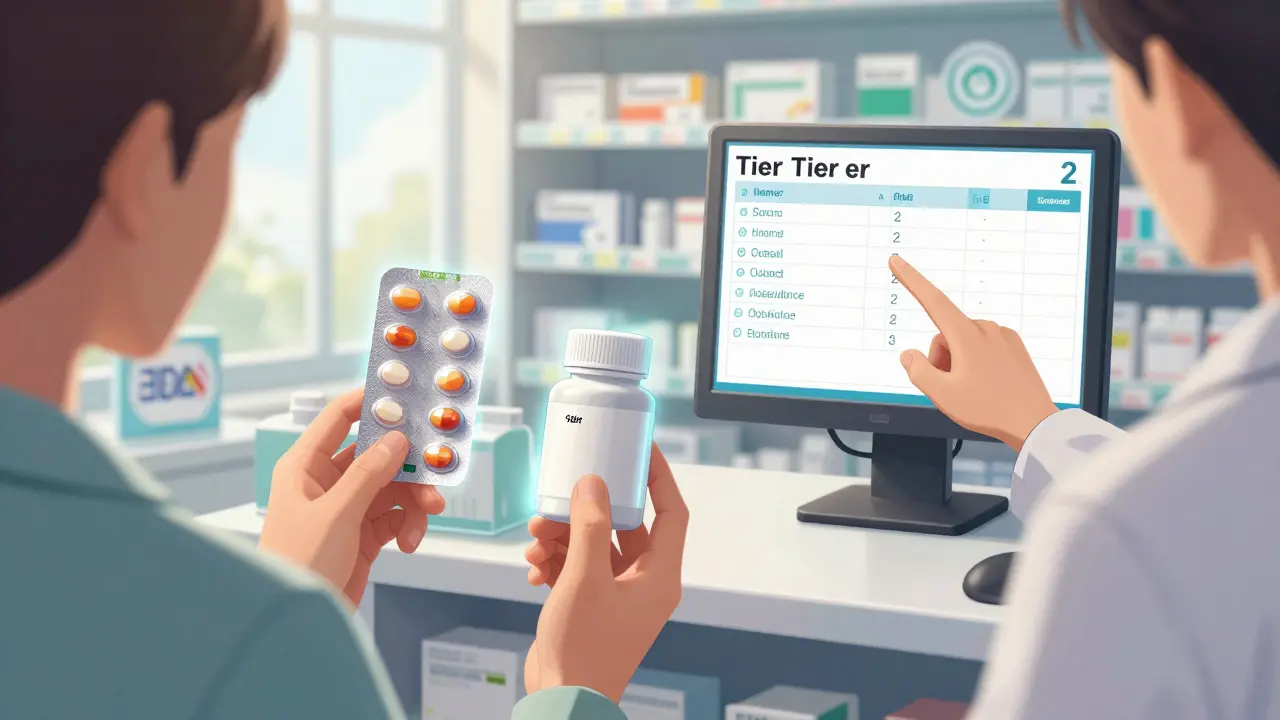
Authorized generics offer the same effectiveness as brand-name drugs at generic prices. Learn how insurance plans cover them, why formulary placement matters, and what you should do to get the best cost savings.

In Vivo vs In Vitro Bioequivalence Testing: When Each Is Used

In Vivo vs In Vitro Bioequivalence Testing: When Each Is Used

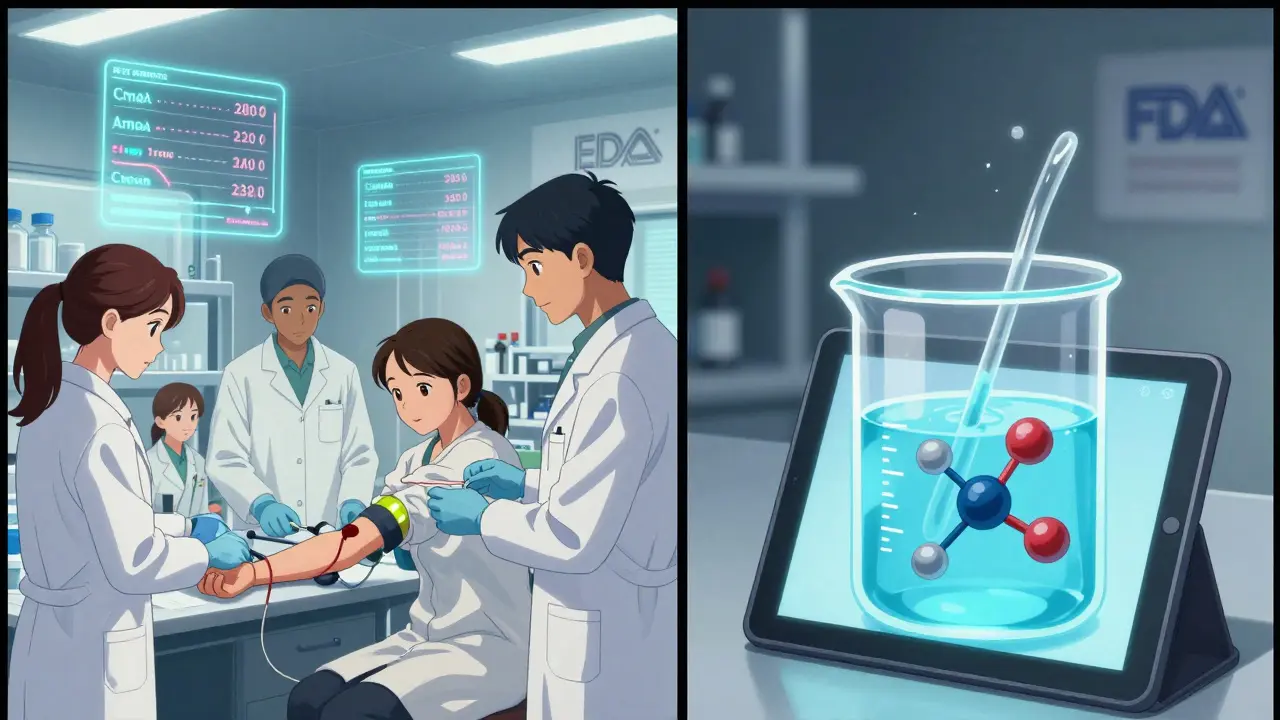
In vivo and in vitro bioequivalence testing determine if generic drugs work like brand-name versions. Learn when each method is used, their pros and cons, and how regulators decide which one to require.

False Advertising in Generics: Legal Risks and Rules You Can't Ignore

False Advertising in Generics: Legal Risks and Rules You Can't Ignore

False advertising in generic drugs misleads patients, harms competition, and violates federal law. Learn the legal risks, FDA rules, and what claims are allowed-or banned-in 2025.

Prior Authorization for Generics: Why Insurance Now Requires Approval for Cheap Medications

Prior Authorization for Generics: Why Insurance Now Requires Approval for Cheap Medications

Why are insurance companies now requiring approval for cheap generic drugs? Learn how prior authorization delays treatment, who’s affected, and what’s changing in 2025.

How to Verify the FDA Orange Book for Generic Equivalence

How to Verify the FDA Orange Book for Generic Equivalence

Learn how to use the FDA Orange Book to verify if a generic drug is therapeutically equivalent to its brand-name version. Understand AB ratings, avoid substitution errors, and navigate the official FDA database correctly.

State Laws on Generic Drug Substitution: How Regulations Vary Across the U.S.

State Laws on Generic Drug Substitution: How Regulations Vary Across the U.S.

State laws on generic drug substitution vary widely across the U.S., affecting how pharmacists replace brand-name drugs with cheaper generics. Some states require substitution, others need patient consent, and some ban swaps for critical medications. Know your rights.

Secondary Patents: How Brands Extend Market Exclusivity in Pharma

Secondary Patents: How Brands Extend Market Exclusivity in Pharma

Secondary patents let pharmaceutical companies extend market exclusivity beyond the original drug patent by protecting formulations, uses, and manufacturing methods-delaying generics and driving up drug costs. Here's how it works and why it matters.

Generic Price Wars: How Consumers Save Money on Prescription Drugs

Generic Price Wars: How Consumers Save Money on Prescription Drugs

Generic drug price wars can slash prescription costs by over 95%, but middlemen often keep the savings. Learn how to actually save money on generics despite a broken system.

Consumer Language Guides: Making Generic Drug Information Accessible

Consumer Language Guides: Making Generic Drug Information Accessible

Consumer language guides help patients understand that generic drugs are just as effective as brand-name versions, using plain language and real-world analogies to build trust and reduce confusion about medication safety and cost.