
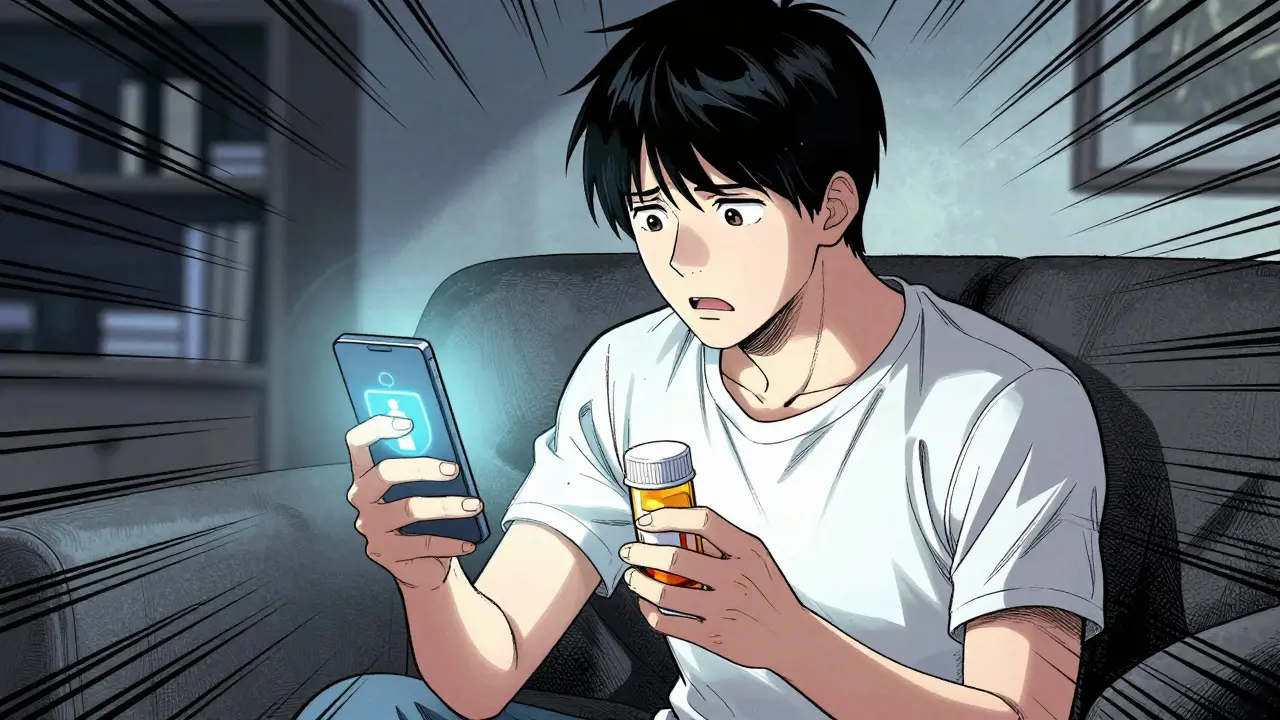
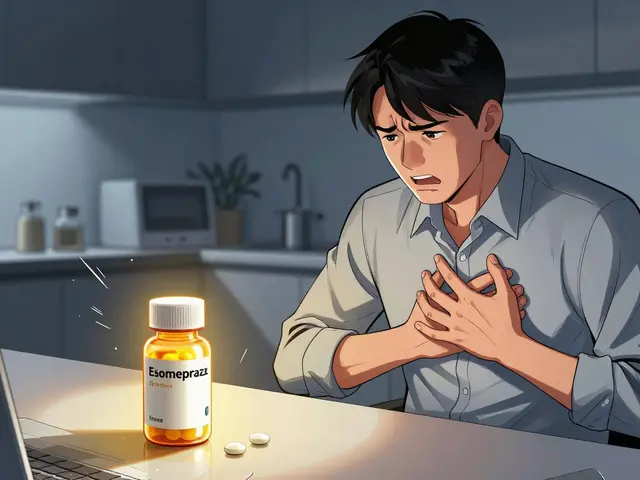
Imagine you just picked up your monthly prescription for blood pressure medication. You get home, open the bottle, and see a news alert on your phone: Medication Recalls are happening right now for that exact brand. Your heart skips a beat. Do you throw it away? Do you stop taking it? Do you panic?
Panic is the last thing you need. In fact, stopping your medication abruptly could be far more dangerous than the defect in the pill itself. Medication recalls are a standard part of drug safety monitoring, designed to protect you before harm occurs. According to recent data from the U.S. Food and Drug Administration (FDA), thousands of recalls happen every year, but the vast majority are precautionary. Knowing exactly what to do-and what not to do-can save your health and peace of mind.
Understanding the Severity: Not All Recalls Are Equal
Before you take any action, you need to understand how serious the issue actually is. The FDA categorizes recalls into three distinct classes based on the potential risk to your health. This classification system helps you gauge whether this is a minor paperwork error or a life-threatening emergency.
Class I Recall is the most severe type, where there is a reasonable probability that using the product will cause serious adverse health consequences or death. These account for about 15% of all recalls. If your medication falls into this category, immediate attention is required, though you still shouldn't just stop taking it without professional advice.
Class II Recall involves situations where use may cause temporary or medically reversible adverse health consequences. Think of this as a moderate risk. It might mean the drug isn't quite effective enough, or it contains a harmless but unwanted impurity.
Class III Recall is the lowest risk. These products are unlikely to cause any adverse health consequences at all. Often, these involve labeling errors, such as a typo in the instructions or an incorrect expiration date printed on the box. While they require correction, they rarely pose a direct threat to your physical well-being.
| Recall Class | Risk Level | Potential Consequence | Approximate Frequency |
|---|---|---|---|
| Class I | Highest | Serious injury or death | ~15% |
| Class II | Moderate | Temporary or reversible health issues | ~50-60% |
| Class III | Lowest | Unlikely to cause adverse effects | ~25-35% |
The First Step: Verify, Don't Guess
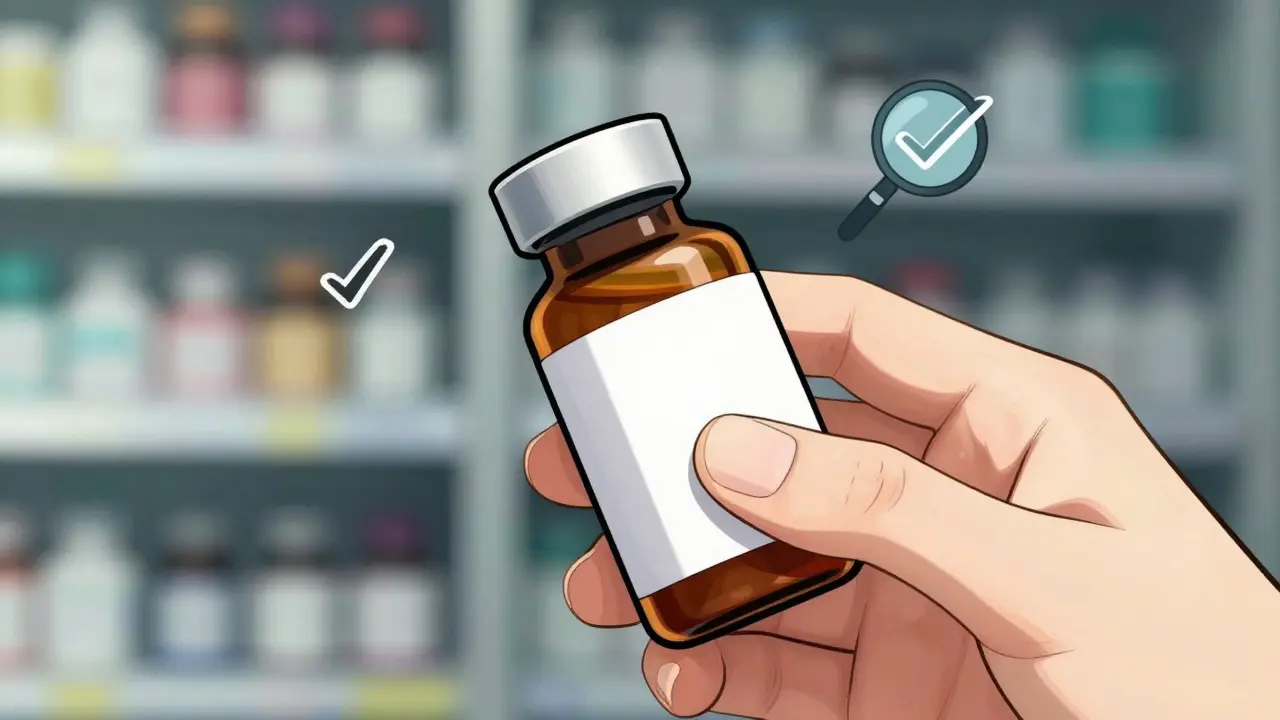
Your first instinct might be to check if your specific bottle is involved. Here is where many people make a critical mistake: assuming the entire brand is bad. In reality, recalls often target specific lot numbers or manufacturing batches. A lot number is a unique code assigned by the manufacturer to identify a specific production run. If one batch was contaminated during mixing, other batches made weeks earlier or later might be perfectly safe.
Look at your medication bottle. Find the lot number, usually printed near the expiration date. Compare this number directly with the recall notice. You can find official recall information on the FDA's website. Search for the brand name, filter by product type, and look for the specific lot numbers listed in the alert. If your lot number matches, proceed to the next steps. If it doesn't, you are likely safe, but it’s still wise to double-check with your pharmacist to be absolutely certain.
Contact Your Pharmacy Immediately
Once you’ve confirmed your lot number is affected, pick up the phone and call your pharmacy. Pharmacists are trained professionals who handle these situations regularly. In fact, 92% of pharmacies have established recall response protocols ready to go. They can verify the status of your medication in their system instantly.
Why call them instead of just going to the store? Because they can prepare your replacement while you are on the line. Most pharmacies can provide replacement medications from unaffected lots or alternative manufacturers within 24 to 48 hours. They know which generic equivalents are safe and which brands have similar active ingredients. This ensures you don’t face a gap in your treatment.
The Golden Rule: Do Not Stop Taking Your Medication Abruptly
This is the most important piece of advice in this entire guide: Do not stop taking your medication unless instructed by your healthcare provider.
It sounds counterintuitive. Why keep taking something that is being recalled? The answer lies in the nature of chronic conditions. For patients managing hypertension, diabetes, heart disease, or mental health conditions, suddenly stopping medication can cause a "rebound effect." This means your symptoms can return with greater intensity than before. For example, stopping high blood pressure medication abruptly can lead to a hypertensive crisis, which is a medical emergency.
The FDA has explicitly warned against this behavior. During major recalls, such as those involving valsartan (a common blood pressure drug), regulators emphasized that patients should continue taking their current medicine until a primary healthcare provider or pharmacist provides a replacement. The risk of untreated illness almost always outweighs the theoretical risk of the defect in the recalled drug, especially in Class II and III recalls.
How to Safely Dispose of Recalled Medications
If your doctor tells you to switch medications, you will be left with the recalled pills. You cannot just flush them down the toilet or throw them loosely in the trash. Flushing medications contaminates water supplies, and loose pills in the trash are accessible to children and pets, leading to accidental poisoning.
Follow these safe disposal steps recommended by health authorities:
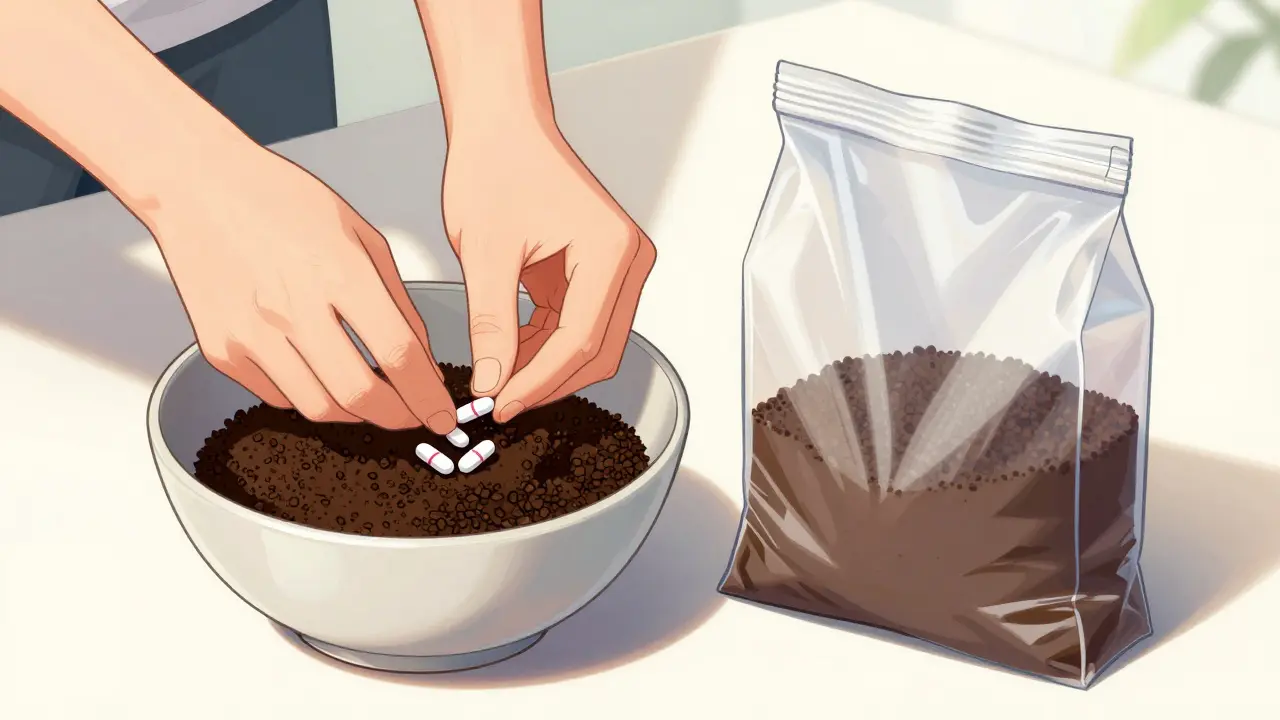
- Mix with unpalatable substances: Mix the pills with something gross, like used coffee grounds, cat litter, or dirt. This makes the medication unappealing if a child or animal finds it.
- Seal it tightly: Place the mixture in a sealed plastic bag or container. Ensure no powder can leak out.
- Dispose in household trash: Throw the sealed container into your regular garbage bin.
- Remove personal info: Before throwing away the empty bottle, scratch out or peel off any labels containing your name and address to protect your privacy.
If you are unsure about disposal instructions, ask your pharmacist. Many communities also have drug take-back boxes at local police stations or pharmacies, which offer a secure way to dispose of controlled substances and other medications.
Monitor Your Health Closely
After taking a recalled medication, even for a short time, it is wise to monitor your body for any unusual changes. Keep a simple log of any new symptoms, no matter how minor they seem. Note when they started and what you were doing at the time.
While only a small percentage of recalls involve life-threatening contaminants, some defects, such as cross-contamination with other drugs or bacterial presence, can cause delayed reactions. If you experience nausea, rashes, dizziness, or worsening of your condition, contact your healthcare provider immediately. Mention that you recently took a recalled medication. This information helps doctors diagnose issues faster.
You can also report adverse events directly to the FDA through their MedWatch program. In 2022, over 142,000 consumer reports were submitted, helping regulators identify potential problems early. Your voice matters in keeping the drug supply safe for everyone.
Preventing Future Stress: Build a Medication Log
One of the biggest hurdles during a recall is finding the lot number quickly. If you have multiple prescriptions, digging through drawers can be stressful. Consider maintaining a simple medication log. This doesn’t need to be complex-a notebook or a notes app on your phone works fine.
Write down the following for each prescription:
- Medication name (brand and generic)
- Dosage
- Lot number
- Expiration date
- Date filled
Patients who maintain such records resolve recall concerns 60% faster than those who don’t. It turns a frantic search into a quick two-minute verification process. Update this log every time you pick up a refill. It’s a small habit that pays huge dividends in emergencies.
Common Mistakes to Avoid
During a recall, fear drives poor decisions. Here are the most common pitfalls patients fall into, based on FDA patient surveys:
- Stopping medication without consultation: Reported in 22% of cases, this leads to worse health outcomes than the recall itself.
- Assuming all lots are affected: 45% of patients initially believe every bottle of that brand is bad, causing unnecessary anxiety and wasted trips to the pharmacy.
- Improper disposal: 30% of patients flush meds or toss them in regular trash despite clear instructions, risking environmental and household safety.
Avoiding these mistakes keeps you safe and supports the broader public health system. Remember, recalls are a sign that the safety net is working, not failing. Manufacturers and regulators are actively removing risks from the market.
What should I do if I can't find the lot number on my medication bottle?
If the lot number is missing or illegible, contact your pharmacy immediately. They have access to your prescription history and can look up the lot number associated with your specific fill date. Do not assume your medication is safe or unsafe; let the pharmacist verify it for you.
Can I buy the same medication from a different pharmacy?
You can, but be cautious. The recall may affect all pharmacies if the entire manufacturing batch is compromised. Ask the new pharmacist to check the lot number of the new bottle before you pay. Ideally, wait for your original pharmacy to provide a verified replacement from a different lot or an alternative brand.
How long does it take to get a replacement medication after a recall?
Most pharmacies can provide a replacement within 24 to 48 hours. They typically have stock from unaffected lots or can order an alternative generic version quickly. If you are running low, inform your pharmacist so they can prioritize your request.
Is it safe to take a recalled medication if I've already taken several doses?
In most cases, yes, especially for Class II and III recalls. The FDA generally advises continuing the medication until you can switch to a replacement. However, if you experience any unusual symptoms, contact your doctor immediately. For Class I recalls, follow your doctor's specific instructions closely.
How can I stay updated on future medication recalls?
You can subscribe to the FDA's RSS feed for real-time recall notifications. Additionally, many pharmacy apps allow you to set alerts for your specific medications. Keeping a medication log and checking the FDA website periodically are also effective strategies.



Brandon Brodsky June 12, 2026
Oh look, another article telling us to do exactly what we should already know how to do. Groundbreaking stuff. I bet the FDA is just sitting there waiting for us to panic so they can feel useful. Meanwhile, my blood pressure is fine because I actually read the label instead of relying on some generic internet advice.
Daniella Renzon June 13, 2026
I totally get why people freak out though. It’s scary seeing that word “recall” pop up. But honestly, checking the lot number takes like two seconds and saves you so much stress later. Just take a breath and call your pharmacy, they deal with this all the time!
Cecilia McGuinness June 13, 2026
yeah i always forget to write down the lot numbers until its too late lol. thanks for the tip about keeping a log, gonna start doing that right now before i lose my mind next time
Talilla Bailey June 14, 2026
It is imperative that individuals adhere strictly to the guidelines provided by healthcare professionals during such events. The cessation of prescribed medication without medical supervision poses significant risks to patient health outcomes. One must exercise diligence in verifying lot numbers and communicating promptly with pharmacists to ensure continuity of care. This approach mitigates potential adverse effects associated with abrupt discontinuation.
Aditya Singh June 15, 2026
Absolutely correct! From a pharmacovigilance standpoint, the stratification of recall classes is crucial for risk assessment. In India, we often see similar protocols under the CDSCO, where batch-wise recalls are standard procedure to minimize systemic disruption. It is vital for patients to understand the nuance between Class I critical failures versus Class III labeling discrepancies. Engaging with the regulatory framework ensures optimal therapeutic adherence while maintaining safety standards across the supply chain ecosystem.
Brett Webster June 16, 2026
The point about not stopping meds abruptly is huge. I’ve seen too many patients bounce back harder than before because they got scared. If you’re on BP meds or antidepressants, going cold turkey is a nightmare. Always check the lot first, then call the doc or pharmacist. They’ll sort it out fast.
Sherry Wheeler June 18, 2026
This really hits home. We treat our bodies like machines, but they’re delicate ecosystems. When a recall happens, it’s not just a pill; it’s a breach in our trust. Yet, we must remember that the system is designed to protect us, even if it feels chaotic. Embrace the uncertainty, trust the process, and keep your heart steady. Your health is a journey, not a destination, and every step matters.
shreya sinha June 18, 2026
One cannot help but observe the sheer negligence inherent in allowing such discrepancies to reach the consumer in the first place, thereby necessitating the need for extensive public education on disposal methods which should arguably be the responsibility of the manufacturer rather than the layperson who is merely attempting to adhere to their prescribed regimen without undue complication or environmental hazard.
Lee Coates June 18, 2026
Typical government overreach. :P They want you scared so you listen to them. But hey, at least the FDA is working hard to make sure you don’t die from a typo on a box. Real priorities here folks. Keep your meds, ignore the panic, and thank your lucky stars you live in a country with regulations.
Miranda River June 20, 2026
u guys r so dumb for panicking. obviously u dont stop taking ur meds unless a doctor says so. its basic common sense. also flushing pills is evil to the water supply so stop being lazy and mix em with coffee grounds like the article said. simple as that. no big deal.
Ganesh Honikol June 22, 2026
Indeed, the procedural aspect of verifying the specific lot number is paramount in ensuring that one does not unnecessarily discard potentially viable medication stock, thus avoiding both financial loss and therapeutic interruption. It is highly advisable to maintain a digital or physical ledger of all pharmaceutical acquisitions, including their respective batch identifiers, expiration dates, and acquisition timestamps, thereby facilitating a swift and efficient response mechanism in the event of a regulatory alert. Such meticulous record-keeping serves as a robust safeguard against misinformation and promotes a proactive stance towards personal health management. :)
Callie Skipper June 22, 2026
i just throw mine in the trash honestly. seems easier than mixing with cat litter. maybe ill start keeping notes tho sounds helpful
AnneKatherine Stiekes June 24, 2026
lot numbers are key. dont guess. check. easy peasy.
Emily Barnhill June 24, 2026
We need to talk about the accessibility of this information for everyone. Not all pharmacies have the same resources, and not all patients have the bandwidth to manage complex logs. It is unacceptable that the burden falls solely on the individual to navigate these bureaucratic hurdles. We demand better systems and clearer communication from healthcare providers who often dismiss these concerns as minor inconveniences when they can be life-altering disruptions.