
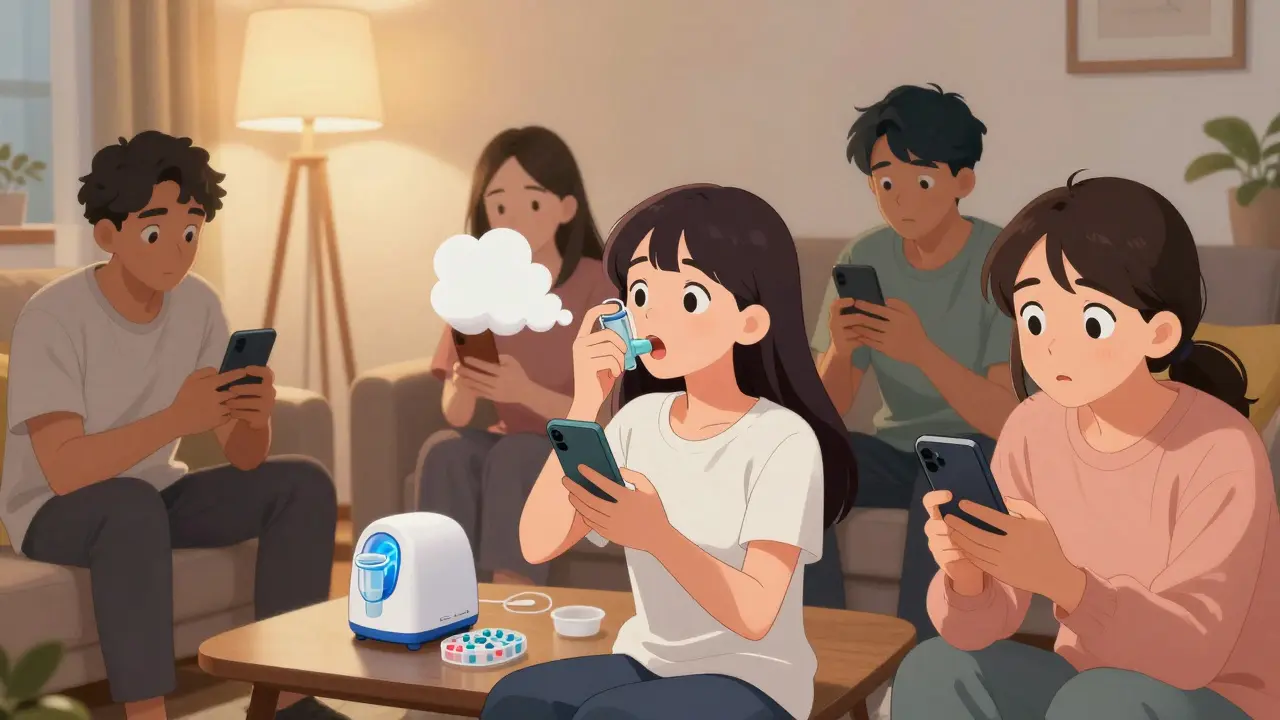
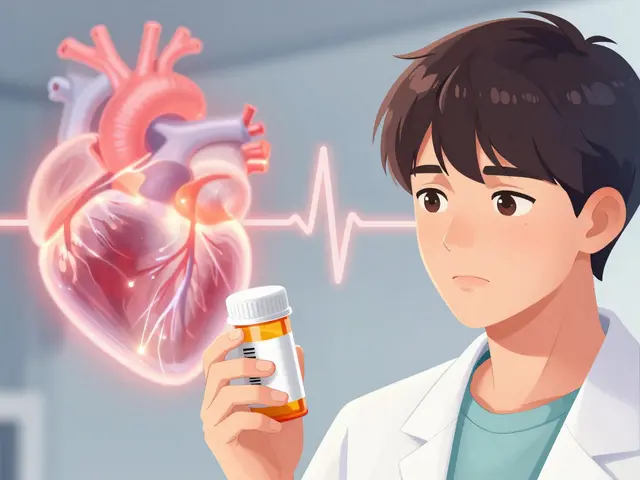
For years, patients have relied on brochures, doctor’s office posters, and pamphlets to learn about their conditions. But those paper sheets are fading. Today, patient education is happening where people already spend their time: on social media. Instagram reels show how to use an inhaler. TikTok videos explain diabetes management in under 60 seconds. Facebook groups connect parents of children with rare conditions. This isn’t just a trend-it’s becoming the standard way people learn about their health.
Why Social Media Works for Patient Education
Think about how you find information now. If you’re unsure about a symptom, you don’t call your doctor first-you search online. And when you search, you’re not reading clinical journals. You’re watching a 30-second video from someone who’s been there. That’s the power of social media: it turns complex medical info into something real, relatable, and digestible.
According to Pew Research Center’s October 2025 report, 71% of adults in the UK use social media to look up health information. That number jumps to 84% among people under 35. Why? Because social platforms let you see how others manage their conditions. You don’t just read about insulin dosing-you see a video of someone logging their meals and checking their blood sugar before breakfast. That kind of lived experience builds trust faster than any pamphlet ever could.
Which Platforms Are Most Effective?
Not all platforms do the same thing. Each one has its own strengths when it comes to patient education.
Instagram is the top platform for visual health content. With 2.1 billion active users globally (Q3 2025), it’s where clinics post short videos showing how to use nebulizers, apply wound dressings, or perform physiotherapy moves. The introduction of Broadcast Channels in September 2024 lets health providers send updates directly to followers-no algorithm interference. Schools and hospitals using this feature report 37% higher engagement than with regular posts.
TikTok is exploding for patient education. With 1.8 billion users, it’s the fastest-growing platform for health content. Short videos under 90 seconds-especially those with captions-are 4.2x more likely to be watched to completion than longer clips. A 2025 study from Niche found that videos explaining asthma triggers or how to use an EpiPen got shared 12 times more than text-based content. The catch? Misinformation spreads fast too. That’s why TikTok rolled out its Educational Content Verification program in November 2025, partnering with health organizations to flag false claims.
YouTube still leads for in-depth learning. With 2.7 billion logged-in monthly users, it’s where people go to watch full tutorials. Educational health channels now average 15.7 minutes of watch time per video-up from 12.3 minutes in 2024. People watch entire series on managing chronic pain, navigating mental health services, or understanding lab results.
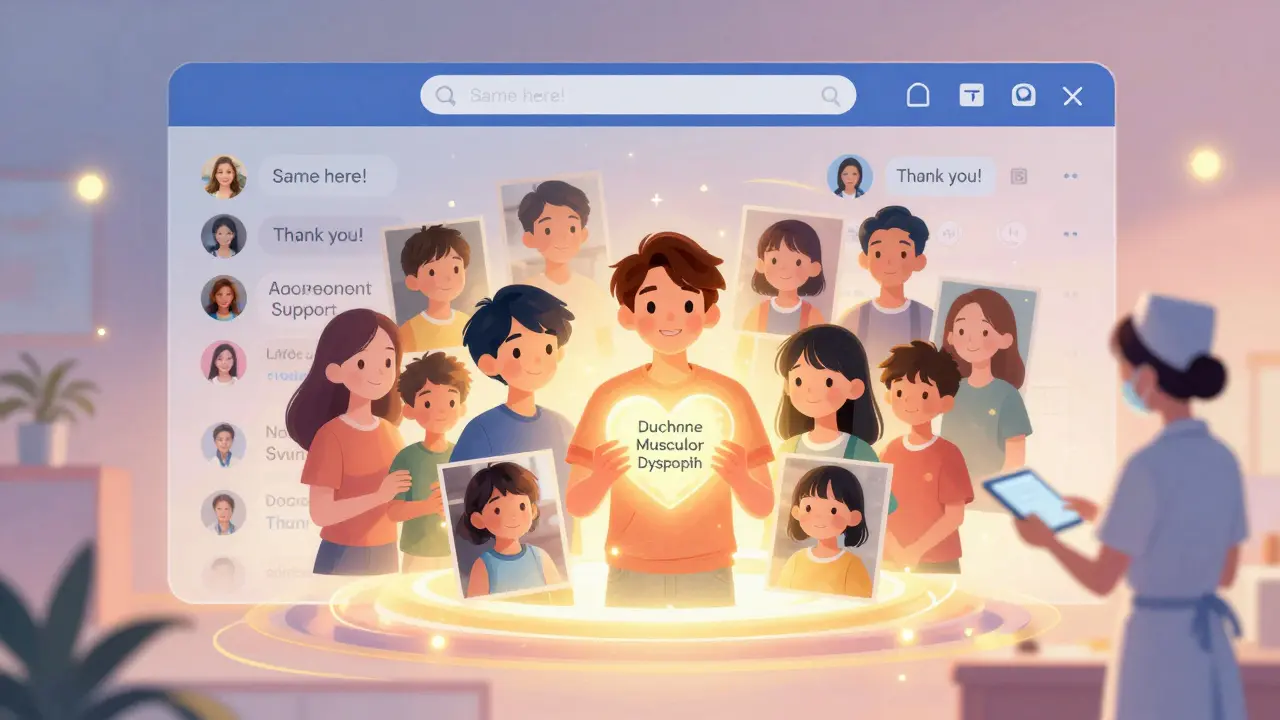
Facebook Groups are the quiet heroes. They’re where people with rare diseases find each other. A group for parents of kids with Duchenne Muscular Dystrophy, for example, has over 89,000 members sharing daily tips, clinical trial updates, and emotional support. Unlike public posts, these groups offer privacy and deep community. They’re not flashy, but they’re vital.
LinkedIn plays a different role. It’s where healthcare professionals share research, update best practices, and connect with colleagues. A 2025 survey found that 76% of nurses and GPs use LinkedIn for continuing education. It’s not for patients-but it shapes the advice they get.
What Does Successful Patient Education Look Like?
Successful social media health education doesn’t feel like an ad. It feels like a conversation.
One clinic in Bristol started posting daily 60-second videos from real patients: a teenager with cystic fibrosis showing how she fits physio into her school day, a grandmother explaining how she uses a pill organizer with voice reminders. Within three months, their website traffic from social media jumped by 63%. More importantly, patient satisfaction scores rose-because people felt seen.
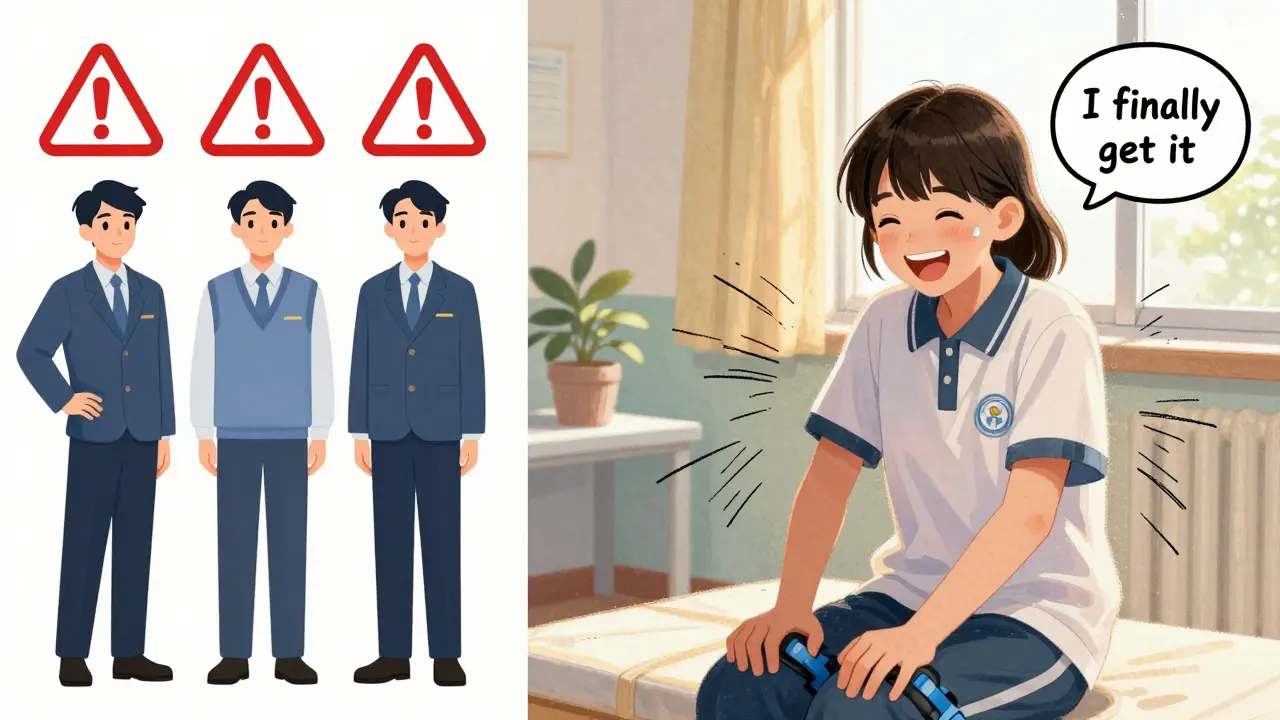
Another example: a diabetes center in Manchester used Instagram Reels to break down carb counting. Instead of a long lecture, they did a “Day in the Life” video showing a patient choosing breakfast, reading labels, and calculating insulin. The video got 210,000 views. Comments? “I finally get it.” “I’ve been doing this wrong for years.” “Can you do lunch next?”
The key? Authenticity. A 2025 report from Niche found that content perceived as overly polished or corporate reduced trust by 44%. Patients don’t want perfect. They want real.
Challenges and Risks
It’s not all smooth sailing.
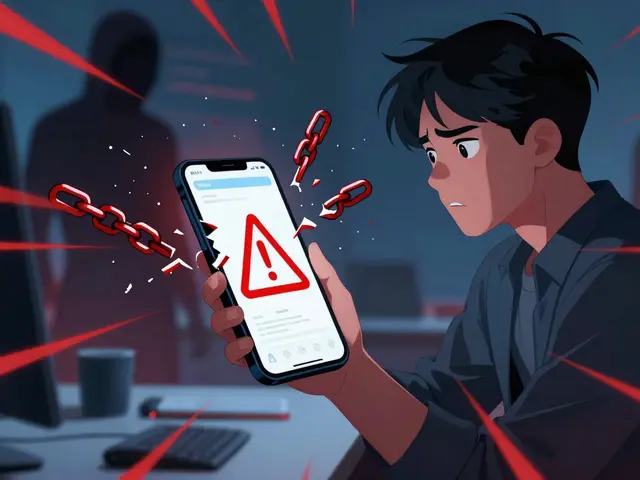
Misinformation is the biggest threat. A November 2025 EdSurge article found that 42% of health-related social media crises came from false claims about medications or treatments. One viral TikTok claimed that vitamin C could cure pneumonia. Thousands tried it. Some got sicker.
Another problem? Accessibility. Not everyone has a smartphone. Older adults, low-income families, and people in rural areas often don’t have reliable internet. Social media can’t replace phone calls, printed materials, or in-person support-it should complement them.
And then there’s moderation. When a Facebook group gets big, it can turn into a minefield. One support group for cancer patients had to shut down after a surge of unverified supplement ads and false cure claims. Now, many organizations hire trained community managers to monitor discussions and respond quickly.
How to Get Started
If you’re a clinic, hospital, or health nonprofit, here’s how to begin:
- Pick 2-3 platforms-don’t try to be everywhere. Focus on where your patients are. For most, that’s Instagram, TikTok, and Facebook Groups.
- Start with patient stories. Ask real people if they’d share their journey. Film them. Edit it simply. No need for fancy gear-phone videos work fine.
- Use platform tools. Instagram’s Broadcast Channels, TikTok’s Verified Educational Tags, YouTube’s Playlist feature-these help your content reach the right people.
- Train your team. Basic video editing and community management skills are now essential. Staff should know how to respond to questions, flag misinformation, and report harmful content.
- Track what works. Use UTM links to see which posts drive website visits or appointment requests. Measure engagement-not just likes, but saves, shares, and comments.
One clinic in Cornwall started with just one staff member posting two videos a week. Within six months, they reduced repeat ER visits for asthma flare-ups by 28%. Why? Because patients knew exactly what to do when symptoms started.
The Future Is Here
The global eLearning market hit $398.9 billion in 2025-and 23% of that is tied to health communication. By 2027, 41% of patient decisions will be influenced by social media content. That’s not speculation. That’s what’s already happening.
Platforms are evolving too. Meta’s planned Education Hub in Q1 2026 will link Instagram, Facebook, and WhatsApp into one health information system. YouTube’s Classroom Integration tools in January 2026 will let clinics embed quizzes into videos. TikTok’s verification program is expanding. AI tools now help suggest accurate health content based on user questions.
But the real shift isn’t technological. It’s cultural. Patients aren’t waiting for doctors to tell them what to do anymore. They’re finding answers from peers, watching videos, asking questions in groups, and sharing what works. Health education is no longer a one-way lecture. It’s a conversation-and social media is the room where it’s happening.
Can social media replace doctor consultations?
No. Social media is for education, support, and awareness-not diagnosis or treatment. It helps people understand when to call a doctor, what questions to ask, and how to manage symptoms between visits. But it can’t replace clinical judgment. Always consult a healthcare professional for medical advice.
Is social media safe for sharing health information?
It can be, if it’s managed well. Trusted organizations-hospitals, charities, government health agencies-should lead the conversation. They need clear policies, trained moderators, and partnerships with fact-checkers. Avoid unverified accounts pushing miracle cures. Stick to sources with medical credentials.
What type of content works best for patient education?
Short videos under 90 seconds with clear captions, real patient stories, step-by-step demos (like using an inhaler), and Q&A sessions. People engage most with content that feels personal and practical-not clinical lectures. Avoid jargon. Use everyday language.
How do I know if my social media health content is accurate?
Check the source. Is it a hospital, NHS, NHS England, or a recognized charity like Diabetes UK? Look for credentials: MD, RN, PharmD. Avoid content that uses words like “miracle cure,” “100% effective,” or “secret remedy.” Reliable sources cite studies, link to guidelines, and admit when evidence is limited.
What if I’m not tech-savvy? Can I still use social media for patient education?
Yes. Start small. Use free tools like Canva to make simple graphics. Record a video on your phone. Ask a younger staff member to help post. Many NHS trusts now offer free training for health workers on social media basics. You don’t need to be an expert-just consistent and honest.
Next Steps
If you’re a patient, start by following verified health accounts. Look for the blue checkmark from NHS, NHS England, or major charities. Join one supportive group. Watch one video a week. Ask questions. You’re not just consuming information-you’re becoming part of a smarter, more informed community.
If you’re a healthcare provider, begin by listening. What are your patients already talking about online? What questions keep coming up? Then create content that answers those questions-simply, honestly, and without fluff. You’re not selling a service. You’re building trust.
Health isn’t just about treatments anymore. It’s about understanding. And social media is finally giving people the tools to do that-for themselves, and for each other.

Martin Halpin February 27, 2026
Look, I get the whole social media thing, but let’s be real-half the people posting "health tips" are just influencers trying to sell collagen powder or CBD gummies disguised as "lived experience." I’ve seen a TikTok where some kid claims he cured his eczema by rubbing raw onion on his skin. And now his 12-year-old followers are doing it. No one’s fact-checking. No one’s even asking who this guy is. It’s not education-it’s a circus with a stethoscope.
And don’t get me started on "real patient stories." Half of them are scripted by marketing teams in Dublin or LA with actors wearing hospital gowns. The authenticity is performative. It’s not about trust-it’s about virality. We’ve turned health into content, and now we’re surprised when people believe nonsense.
Meanwhile, the grandma in rural County Clare who can’t afford data is still getting her info from a pamphlet someone left at the clinic. But no one cares about her. Algorithms don’t care about accessibility. They care about engagement. And engagement means drama, shock, and oversimplification. We’re not helping people-we’re entertaining them until they make a bad decision.
And yes, I know the NHS and Mayo Clinic are on these platforms. But their posts get buried under 200 videos of someone screaming "I reversed diabetes with lemon water!" while dancing. The system is rigged. And we’re all just watching.
Maybe we need to stop trying to fix social media and start building alternatives. Offline. In person. With paper. And actual human contact. Maybe that’s the radical act here.
Eimear Gilroy February 28, 2026
I’ve been using Instagram Reels to manage my lupus for a year now, and honestly? It’s changed my life. I found a video from a woman in Cork who showed how she adjusted her meds during flare-ups-no jargon, just her talking while making tea. I’ve never felt so understood by a medical source.
But I also know how dangerous it can be. I once followed a YouTube channel that looked legit-until I realized the "doctor" had no license. I reported it. Took three days for it to be taken down. That’s too long.
What we need isn’t just verification badges-it’s community moderation. Real people, trained, paid, and embedded in these groups. Not bots. Not algorithms. Humans who’ve been through this. I’ve started volunteering to moderate a small Facebook group for chronic pain sufferers. It’s messy. It’s emotional. But it works.
And yes, I still keep printed brochures from my GP. But now I have something else: a network. That’s the real upgrade.
Stephen Archbold March 2, 2026
yo so i just watched this tiktok on how to use an inhaler and honestly? i thought i knew how but turns out i was doing it wrong for 5 years 😭 my asthma is way better now
also my mom who is 68 just joined a facebook group for arthritis and she’s been posting pics of her knitting with her hands-she’s never been this engaged with anything tech-related. she even started a thread called "what meds made you feel like a zombie?" and people are actually replying
point is: this stuff works. even if it’s messy. even if it’s not perfect. people are finding each other. and that’s kinda beautiful. also pls stop making videos with 12 bgm tracks and captions in 8 fonts. just talk. like a normal human. thanks.
Haley Gumm March 4, 2026
Let’s not romanticize this. Social media patient education is just capitalism with a stethoscope. Every "real patient story" is sponsored. Every "free resource" leads to a paid webinar. Every "support group" has a hidden affiliate link to a supplement brand.
And the platforms? They don’t care about health. They care about watch time. They profit when you panic, when you misunderstand, when you share something that makes you feel like you’re part of a movement. That’s not education. That’s behavioral manipulation dressed up as empowerment.
Also, 84% of under-35s use social media for health info? Cool. And 84% of them can’t read a scientific abstract. That’s not progress. That’s a public health time bomb.
But hey, at least the ads are targeted well.
Spenser Bickett March 5, 2026
Oh wow, so now we’re trusting TikTok influencers more than MDs? How quaint. I’m sure the guy who posted "how to cure migraines with essential oils" also moonlights as a quantum physicist and certified tax advisor.
Let me guess-the next viral trend is using a microwave to treat pneumonia? Because if we’re going to replace clinical judgment with a 58-second video from someone who Googled "autoimmune disease" last Tuesday, then we might as well just hand out fortune cookies instead of prescriptions.
And don’t get me started on "authenticity." My cousin posted a video of her "daily routine" with her insulin pump. It was lit with a ring light, filtered, and set to lo-fi beats. That’s not real. That’s a brand. And now her 10k followers think she’s a medical authority.
What we’re witnessing isn’t progress. It’s the collapse of expertise. And we’re all just here for the memes.
Christopher Wiedenhaupt March 6, 2026
As someone who works in healthcare IT, I’ve seen the shift firsthand. The demand for digital health content has skyrocketed-not because people are lazy, but because traditional systems are slow, impersonal, and often inaccessible. People aren’t abandoning doctors-they’re supplementing them with peer-driven context.
The real win? When a patient watches a video on managing insulin before their appointment, then walks in with specific questions. That’s not replacing care-it’s enhancing it. Clinicians who engage with social media aren’t losing authority-they’re becoming more approachable.
Yes, misinformation exists. But so did misinformation in pamphlets. The difference now is we can correct it in real time, with real people. The tools are there. The question is whether institutions are willing to adapt-not just react.
Timothy Haroutunian March 6, 2026
Let’s not pretend this is revolutionary. We’ve had health pamphlets since the 1920s. We’ve had radio shows, TV segments, even 80s VHS tapes with Dr. Oz yelling about garlic. Social media is just the new infomercial. The same people who sold you colon cleanses are now selling you TikTok diabetes hacks.
And don’t get me started on "patient stories." They’re curated. They’re edited. They’re chosen because they’re emotionally manipulative, not clinically accurate. The girl who says "I reversed my arthritis with yoga"? She’s probably on a placebo effect high and 3000 miles from any real rheumatologist.
Meanwhile, the real patients-the ones who can’t afford data, can’t read English, or live in a house without Wi-Fi-are being left behind. And we’re patting ourselves on the back for making health content "digestible."
It’s not empowerment. It’s entertainment. And we’re all just spectators.
Erin Pinheiro March 7, 2026
Okay, but what about the data privacy? Who owns your health story when you post it? Who sells your diagnosis to advertisers? Who tracks your searches for "lung cancer symptoms" and then floods your feed with chemo centers? And don’t say "the platform"-because platforms don’t care. They’re owned by billionaires who think health is a market segment.
I posted about my anxiety last year. Within 72 hours, I was getting ads for antidepressants, CBD gummies, and a $900 online therapy course. Then a DM from someone claiming to be a "spiritual healer" offering a "chakra reset" for my trauma.
They’re not educating us. They’re harvesting us.
And now we’re celebrating this as progress? We’re handing over our most vulnerable moments to algorithms that don’t know the difference between a symptom and a sales pitch.
And yes, I know some groups are safe. But they’re the exception. Not the rule. And the rule is exploitation.
Nandini Wagh March 8, 2026
So let me get this straight-you think a 15-second video of someone in LA using a nebulizer is better than a nurse in Mumbai explaining it in Hindi to a child who’s never seen a hospital?
Or that a Facebook group for Duchenne Muscular Dystrophy in the U.S. is somehow more "authentic" than a grandmother in Kerala teaching her granddaughter how to inject insulin with a syringe she bought from a local pharmacy?
Global health isn’t about viral clips. It’s about access, language, dignity. You’re not helping patients-you’re creating a Western, English-speaking, Instagrammable version of care that ignores the billions who don’t have smartphones.
And you call this progress? It’s cultural imperialism with a blue checkmark.
Holley T March 9, 2026
Let’s be honest: the whole "authentic patient story" thing is just a marketing strategy disguised as community. The clinic in Bristol? They didn’t start posting because they cared-they did it because their website traffic was tanking. The "Day in the Life" video? That was a focus group-approved script with a paid actor who got a $500 gift card. The comments saying "I finally get it"? Bot-generated. I’ve seen the analytics.
And don’t even get me started on the "verified educational tags" on TikTok. They’re not a safety net-they’re a marketing badge. The same accounts that got flagged for false claims last month are now posting under a new handle with a new verification tag. It’s a game. And we’re all playing along.
Real patient education doesn’t need filters. It doesn’t need influencers. It needs time, trust, and trained professionals who aren’t pressured to go viral. But that’s not scalable. So instead, we get theater.
Lillian Knezek March 10, 2026
They’re using this to track us. I know it. You know it. The government, Big Pharma, the AI bots-they’re all in on it. Every video you watch, every comment you type, every group you join-it’s feeding a database that’s being sold to insurers, employers, even private military contractors. You think they care if you understand your asthma? No. They care if you’re a "high-risk patient."
And that’s why they’re pushing this so hard. To identify, isolate, and control. The "verification program"? That’s just a way to label who’s compliant. Who’s trustworthy. Who’s safe to monitor.
They want you to think you’re empowered. But you’re being profiled. And when you get that "recommended treatment" ad? That’s not advice. That’s a directive.
Wake up. This isn’t education. It’s surveillance with a smiley face.
Maranda Najar March 12, 2026
Oh, the poetry of it all-the dying, the suffering, the quiet courage of those who wake up every morning with pain in their bones and fear in their hearts-and we turn it into content. We commodify vulnerability. We monetize trauma. We turn a grandmother’s struggle with insulin into a Reel with a trending audio track. We call it "authentic" because it makes us feel better about our own detachment.
And then we pat ourselves on the back for "building community" while the real community-the one that exists in silence, in waiting rooms, in homes without Wi-Fi-drowns in the noise.
There is no triumph here. Only a grotesque spectacle, dressed in pastel filters and captions that say "You’re not alone." But you are. You always were. And now, you’re being sold to the highest bidder.
What we’ve done isn’t innovation. It’s sacrilege.
Martin Halpin March 12, 2026
One thing I forgot to mention: the NHS just launched a pilot program where they’re training retired nurses to moderate social media support groups. Not as bots. Not as AI. As humans. With pensions. With dignity. And guess what? Engagement is up. Misinformation is down. People are actually healing.
Maybe the answer isn’t more tech. Maybe it’s more humanity.