
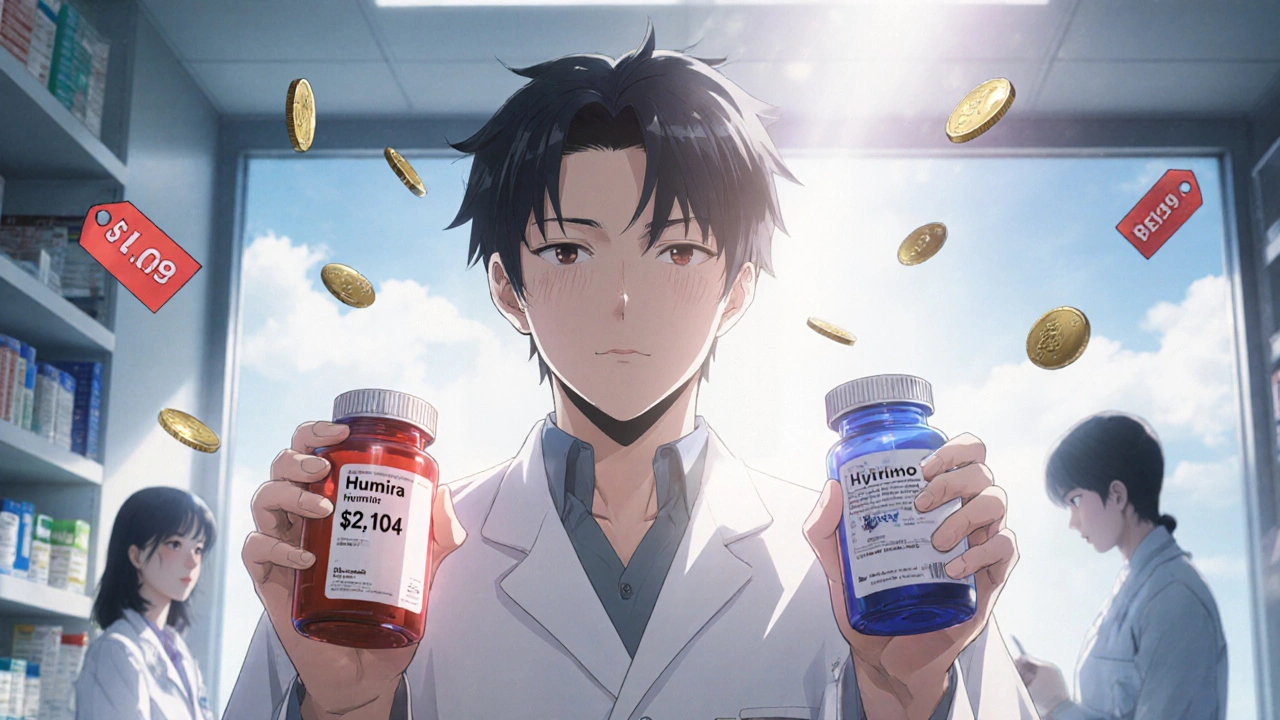
When you’re prescribed a biologic drug - something like Humira for arthritis or Enbrel for psoriasis - you might see a price tag of $80,000 a year. That’s not a typo. And if you’re paying out of pocket, that’s a life-altering bill. But here’s the twist: there’s a cheaper version out there, and it’s not a myth. It’s called a biosimilar. And it’s not just a little cheaper. It’s often half the price, sometimes even less.
Let’s clear up the confusion right away. Biosimilars aren’t the same as regular generics. Regular generics - like the generic versions of aspirin or metformin - are exact chemical copies of their brand-name drugs. Biologics? They’re made from living cells. Think of them like a complex recipe using yeast, bacteria, or animal cells to grow a protein. Even tiny changes in how they’re made can change how they work. So biosimilars aren’t exact copies. They’re highly similar. And that’s enough. The FDA says they’re just as safe and effective. But the price? That’s where the real difference shows up.
How Much Do Brand Biologics Actually Cost?
In the first half of 2025, the average 30-day prescription for a brand biologic in the U.S. cost $2,104. That’s the list price - what the pharmacy charges before insurance or discounts. For chronic conditions requiring monthly injections, that adds up fast. Take Humira, for example. Before biosimilars hit the market, one patient could pay up to $80,000 a year just for that one drug. And Humira wasn’t alone. In 2024, biologics made up only 5% of all prescriptions in the U.S., but they sucked up 51% of total drug spending. That’s not a typo either. Five percent of the prescriptions, over half the money.
Why? Because biologics are expensive to develop. They need specialized labs, strict controls, and years of testing. But once the patent expires, the real story begins.
What Do Biosimilars Cost Compared to Brand Biologics?
Biosimilars launched at an average discount of 50% below the brand price. By mid-2025, the average cost for the same 30-day supply was $919 - a 56.3% drop. That’s more than $1,100 saved per month. For a patient on a biologic for rheumatoid arthritis or Crohn’s disease, that’s not just savings. It’s access.
And it’s not just the list price. Out-of-pocket costs for patients using biosimilars are 23% lower than for brand biologics. That means lower copays, fewer coinsurance surprises, and less risk of skipping doses because you can’t afford it.
Take Humira again. After its patent expired in 2023, biosimilars flooded the market. Within a year, they captured 65% of the U.S. market share. Sandoz’s Hyrimoz alone took 14% of prescriptions. And the original Humira? Its price dropped 33% just from the threat of competition. That’s right - the brand lowered its price because it had to. Biosimilars didn’t just give patients cheaper options. They forced the original makers to cut prices too.
How Much Have Biosimilars Saved the System?
Since 2015, when the first biosimilar was approved in the U.S., the total savings from biosimilars and generics have hit $3.1 trillion. In 2024 alone, biosimilars saved the healthcare system $20 billion, according to the U.S. Department of Health and Human Services. Other estimates, like DrugPatentWatch’s, are lower - around $12.4 billion saved in 2023 - but even the conservative numbers show billions in savings every year.
Here’s the kicker: biosimilars are still only making up about 15-20% of the biologic market. Compare that to traditional generics, which make up 90% of all prescriptions but only 13% of total drug spending. Why? Because generics can drop 79% below brand price when multiple companies compete. Biosimilars haven’t reached that level yet - but they’re getting closer.
Why Aren’t More People Using Biosimilars?
If biosimilars are cheaper, safer, and just as effective, why isn’t everyone switching? The answer isn’t science. It’s money - and the system that controls it.
Brand drug companies have spent years building what experts call “patent thickets.” That means filing dozens of minor patents on things like delivery devices, packaging, or dosing schedules - anything to delay biosimilar entry. The FDA says only about 10% of biologics expected to lose patent protection in the next decade even have a biosimilar in development. That’s a huge gap.
Then there’s the role of Pharmacy Benefit Managers (PBMs). These middlemen negotiate rebates with drug makers. The problem? They often get bigger rebates from brand biologics than from biosimilars. So even if a biosimilar is cheaper, the PBM might push the more expensive brand because it pockets more money. That’s called a “rebate wall.” It’s legal. It’s common. And it blocks savings from reaching patients.
Health plans and insurers sometimes don’t even list biosimilars as preferred options. Or they require prior authorizations that are harder to get for biosimilars than for the brand. That’s not based on safety. It’s based on incentives.
What’s Changing in 2025?
The FDA just released new draft guidance in September 2025 aimed at simplifying biosimilar development. They’re cutting unnecessary clinical trials and allowing more data from other countries. That could cut development costs - currently $100 to $250 million per biosimilar - and get more products to market faster.
The Biden administration launched its “Biosimilars Action Plan” in November 2025. It’s focused on fixing reimbursement rules, cracking down on patent abuse, and pushing insurers to cover biosimilars first. The Office of the Assistant Secretary for Planning and Evaluation estimates that if these changes stick, the U.S. could save $42.9 billion in medical costs by 2027.
Industry analysts at Evaluate Pharma predict biosimilar market share will jump from 20% to 35-40% by 2030. That could mean an extra $125 billion in annual savings. Imagine that: $125 billion a year - enough to cover free insulin for millions, or fund cancer screenings for entire communities.
What This Means for You
If you’re on a biologic right now, ask your doctor or pharmacist: Is there a biosimilar for my drug? Even if your insurance doesn’t list it as preferred, you might still be able to get it at a lower cost. Some pharmacies offer discount programs for biosimilars. Some patient assistance programs cover the difference.
Don’t assume the brand is your only option. The science says biosimilars are safe. The data says they’re cheaper. The system? It’s rigged - but it’s not unbreakable.
Every biosimilar that gets prescribed is one more step toward breaking the cycle of sky-high drug prices. And if enough people ask for them, the system will have to change - not because it’s fair, but because it has to.
Are biosimilars as safe as brand biologics?
Yes. The FDA requires biosimilars to undergo rigorous testing to prove they’re as safe and effective as the original brand biologic. They’re not “similar enough” - they’re proven to work the same way in the body. Thousands of patients have used biosimilars since 2015 with no increase in side effects or safety concerns compared to the brand.
Why are biosimilars cheaper if they’re just as good?
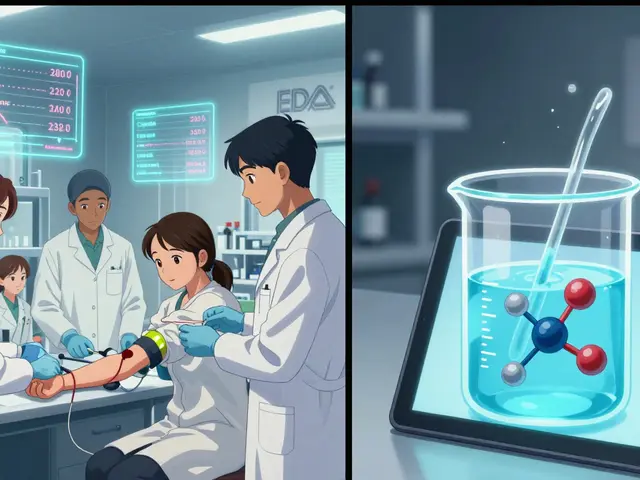
Because biosimilar manufacturers don’t have to repeat the massive, expensive clinical trials the original brand did. They rely on the brand’s existing safety data and only need to prove their product behaves the same way. That cuts development costs by 70-80%, which translates directly into lower prices.
Can I switch from a brand biologic to a biosimilar?
In most cases, yes. The FDA considers biosimilars interchangeable with their brand counterparts in many cases. Even when not officially labeled “interchangeable,” doctors and pharmacists can substitute them if your insurance allows it. Always talk to your provider first - but switching is common and safe.
Why doesn’t my insurance cover biosimilars?
Many insurance plans still favor brand biologics because they get larger rebates from the drugmakers. This is called a rebate wall. Even if a biosimilar is cheaper, the plan might make more money by pushing the brand. You can ask your insurer to change their formulary or appeal a denial - many patients have succeeded.
Will biosimilars keep getting cheaper?
Yes - if more companies enter the market. Right now, most biologics have only one or two biosimilars. Once five or six are available, prices drop even further - just like with generic pills. Experts predict biosimilar prices could fall another 30-40% by 2030 as competition grows.



Ryan Anderson November 14, 2025
Just had my rheumatoid arthritis switch to a biosimilar last month. My copay dropped from $450 to $95. No side effects, no drama. My doctor said it’s basically the same drug, just cheaper. Why are we still paying full price for the brand? 🤔
Kevin Wagner November 15, 2025
Bro, this is the most important thing I’ve read all year. Biosimilars are the quiet revolution nobody talks about. We’re talking about people choosing between insulin and rent, and then some corporate lawyer files a patent on a fucking syringe cap to keep prices high. It’s not medical-it’s mafia economics. Time to burn the system down. 🔥
Joe Goodrow November 17, 2025
Let’s be real-America pays too much for everything. But biosimilars? That’s just giving away our medical superiority to foreign manufacturers. Why should India or China get to make our life-saving drugs cheaper? We built this tech. We deserve to profit from it. This is why our healthcare is collapsing-because we keep giving in to cheap imports.
Dilip Patel November 17, 2025
India has been making biosimilars for 15 years and no one died. We make them better and cheaper than US. Why you guys still pay $80k? Because you dumb and trust pharma ads. My cousin in Delhi takes Humira biosimilar for $150/year. He still walks. You still crying about copay? 😒
Peter Aultman November 17, 2025
My mom’s on a biosimilar for Crohn’s. She’s been stable for 18 months. The only thing that changed? Her bank account stopped bleeding. Honestly? I don’t care if it’s made in Germany or Texas-as long as it works and doesn’t cost a kidney. Why is this even a debate?
Eleanora Keene November 19, 2025
Just wanted to say-this is the kind of info that saves lives. I’ve seen people skip doses because they can’t afford the brand. I’ve seen people cry in the pharmacy parking lot. Biosimilars aren’t just a cost cut-they’re dignity. If you’re on a biologic, ask your doc. Ask your pharmacist. Don’t let the rebate wall win. You deserve to be healthy without going broke. 💪❤️
Scott Saleska November 20, 2025
Actually, you’re all missing the point. The FDA doesn’t require biosimilars to prove they’re identical in long-term outcomes-just ‘highly similar.’ That’s a loophole. And PBMs? They’re not the villains-you’re the villains for not demanding the original drug. Why settle for ‘similar’? If you want the best, pay for the best. Don’t let the system manipulate you into second-best care.
Jane Johnson November 21, 2025
Actually, the data shows no difference in long-term outcomes. The FDA’s approval process for biosimilars is more rigorous than for many new chemical entities. Your fear-mongering is not evidence-based. And you’re ignoring the 20 billion in savings. That’s not a loophole. That’s progress.
gent wood November 21, 2025
It’s remarkable how the same people who complain about corporate greed in pharmaceuticals are suddenly terrified of a product that’s been used safely by millions across Europe and Asia for over a decade. The science is settled. The economics are clear. The moral imperative is undeniable. Why do we still need to argue this?
Don Ablett November 23, 2025
One sentence: If you can’t afford your medicine, you’re not sick-you’re bankrupt. Biosimilars aren’t a compromise. They’re justice.