
You take a pill for your high blood pressure. It works great. But you didn’t tell the doctor about that mild asthma you’ve had since childhood. Suddenly, you’re wheezing in the middle of the night. You think it’s just a bad cold or stress. In reality, your heart medication is fighting against your lungs. This isn’t a rare glitch. It’s called a drug-disease interaction, and it happens when a treatment for one health problem makes another condition worse.
We often worry about mixing two drugs together-like taking aspirin with warfarin. That’s a drug-drug interaction. But what happens when your body itself becomes the enemy? When your liver, kidneys, or lungs change how a drug works because of an underlying illness? These hidden clashes are surprisingly common and often go unnoticed until they cause serious harm.
What Exactly Is a Drug-Disease Interaction?
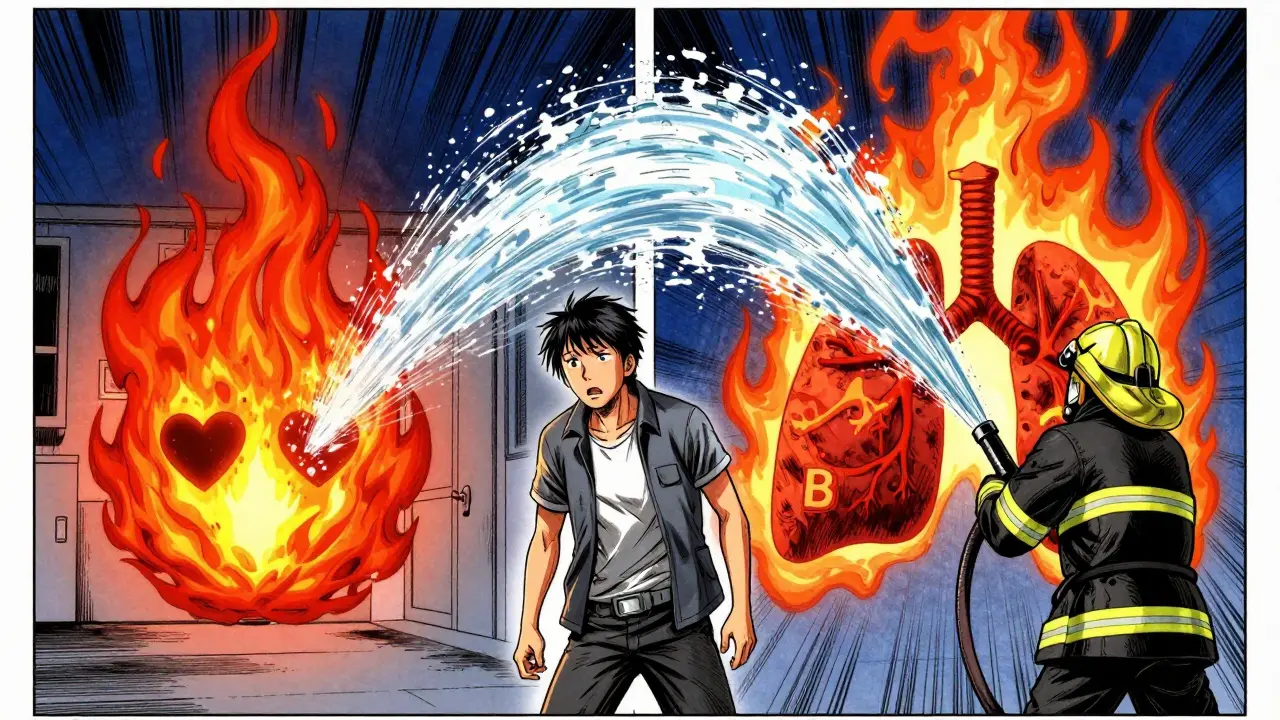
A drug-disease interaction (DDSI) occurs when a medication used to treat one condition adversely affects a pre-existing health issue. Think of it this way: you have two fires burning in different rooms. You grab a hose to put out Fire A, but the water flows through the house and drenches Fire B, making it spread faster. The medicine is doing its job on the target disease, but it’s collateral damage on the secondary condition.
This concept became formalized in clinical pharmacology in the late 20th century. Unlike drug-food interactions (like grapefruit juice messing with statins), DDSIs are deeply personal. They depend entirely on your specific combination of illnesses. According to guidelines from the American College of Clinical Pharmacy (ACCP), screening for these interactions is now a critical part of medication safety protocols.
The stakes are high. The Agency for Healthcare Research and Quality (AHRQ) estimates that 5-10% of all hospital admissions result from medication-related problems. Many of these involve undetected drug-disease interactions. If you have multiple chronic conditions-which most adults over 65 do-you are at higher risk.
How Do These Interactions Happen?
It’s not magic; it’s physiology. There are five main ways a drug can clash with a disease state:
- Pharmacodynamic interference: The drug’s effect contradicts the disease. For example, beta-blockers like propranolol slow the heart to lower blood pressure, but they also tighten airways. If you have asthma, this can trigger a severe attack.
- Pharmacokinetic alterations: The disease changes how your body processes the drug. Liver disease slows down metabolism, meaning drugs stay in your system longer and build up to toxic levels. Kidney failure means drugs aren’t flushed out, leading to accumulation.
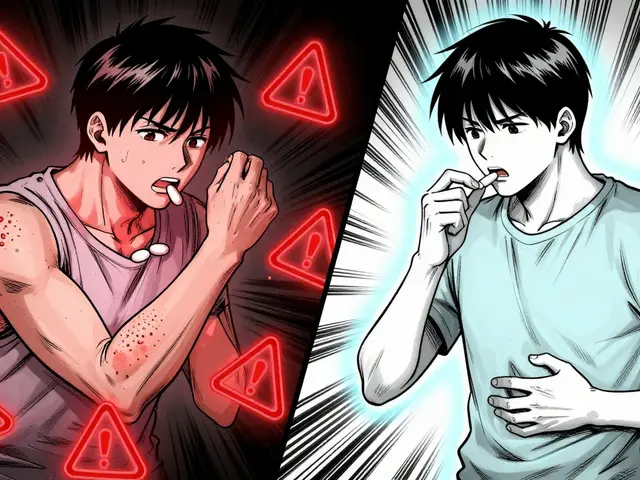
- Masking symptoms: The drug hides warning signs. Beta-blockers can mask the trembling and rapid heartbeat that usually warn diabetics their blood sugar is dropping too low (hypoglycemia). You might pass out without knowing why.
- Exacerbating complications: The drug worsens a side effect of the disease. Non-steroidal anti-inflammatory drugs (NSAIDs) like ibuprofen cause sodium retention. In someone with heart failure, this extra fluid puts dangerous strain on the heart.
- Direct organ toxicity: The drug damages an already weakened organ. Metformin, a common diabetes drug, can cause lactic acidosis if your kidneys aren’t filtering properly.
A systematic review published in PMC (2015) found that 84% of serious drug-disease interactions involving type 2 diabetes medications were linked to chronic kidney disease. Your kidneys are often the silent victims here.
Common Combinations That Cause Trouble
Not every mix is dangerous, but some patterns appear repeatedly in clinical data. Knowing these can save you a trip to the emergency room.
| Condition | Medication Class | The Risk |
|---|---|---|
| Asthma / COPD | Beta-Blockers (e.g., Propranolol) | Causes bronchoconstriction; triggers breathing attacks |
| Heart Failure | NSAIDs (e.g., Ibuprofen, Naproxen) | Fluid retention worsens heart strain; increases hospitalization risk |
| Chronic Kidney Disease | Metformin | Risk of lactic acidosis if kidneys can't clear the drug |
| Liver Cirrhosis | Acetaminophen (Paracetamol) | Reduced metabolism leads to liver toxicity even at normal doses |
| Diabetes | Beta-Blockers | Masks hypoglycemia symptoms (shaking, fast heart rate) |
| Dementia | Anticholinergics (e.g., Diphenhydramine) | Worsens confusion, memory loss, and cognitive decline |
Notice the pattern? Cardiovascular medications and central nervous system agents account for the majority of these issues. A database from CredibleMeds.org documents over 300 clinically significant DDSIs, with 62% involving heart drugs.
Why Doctors Might Miss These Clashes
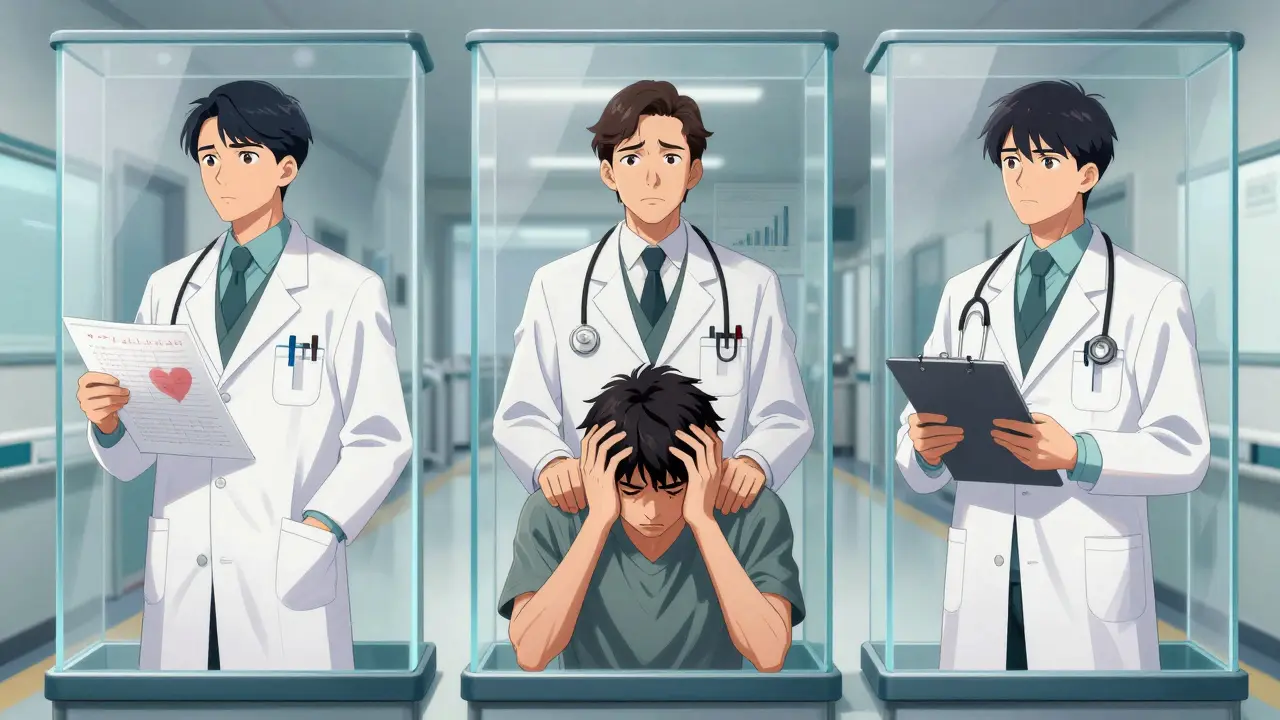
If these risks are so well-known, why do they still happen? The truth is, modern medicine is fragmented. Your cardiologist focuses on your heart. Your endocrinologist focuses on your blood sugar. Your GP handles the general checkup. Rarely does anyone look at the entire picture simultaneously.
A 2015 study revealed that only 16% of clinical guidelines for major conditions like diabetes and depression contained specific warnings about drug-disease interactions. Dr. Paul Rolfe, Chair of the ACCP Drug Interaction Committee, noted that while 5-7% of hospital admissions are directly attributable to DDSIs, fewer than 15% of guidelines adequately address them.
Technology helps, but it’s imperfect. Electronic Health Record (EHR) systems like Epic flag potential issues, but they generate a lot of noise. One analysis showed that while these systems catch 87% of high-risk interactions, they also produce 42% false positives. This leads to "alert fatigue," where doctors start ignoring warnings because they pop up too often for minor issues.
Then there’s the time factor. Community pharmacists report spending nearly 13 minutes per patient just to assess potential interactions during medication therapy management. In a busy pharmacy line, that deep dive rarely happens.
The Role of Supplements and Herbs
We tend to trust herbs because they’re "natural." But natural doesn’t mean safe, especially when mixed with chronic conditions. St. John’s Wort is a prime example. It’s commonly used for mild depression. However, it interacts dangerously with SSRIs (antidepressants) by causing serotonin syndrome-a potentially life-threatening condition characterized by agitation, high fever, and rapid heart rate.
The Cleveland Clinic identifies St. John’s Wort as one of the riskiest supplements due to these interactions. If you have a psychiatric condition and are taking prescribed antidepressants, adding herbal remedies without telling your provider is playing Russian roulette with your brain chemistry.
How to Protect Yourself: A Practical Checklist
You don’t need a medical degree to manage this risk. You just need to be proactive. Here is how to keep your medications working for you, not against you.
- Create a Master List: Write down every prescription, over-the-counter drug, vitamin, and herb you take. Include dosages. Update it every time something changes.
- Disclose All Conditions: Don’t hide the "minor" stuff. That old knee injury? Mention it. That occasional anxiety? Say it. Even mild asthma matters if you’re getting blood pressure meds.
- Ask About Comorbidities: When a new drug is prescribed, ask: "Could this affect my [other condition]?" Specifically mention kidney or liver issues if you have them.
- Use One Pharmacy: Consolidate all your prescriptions at a single pharmacy. Their software will automatically screen for interactions across all your drugs.
- Regular Med Reviews: Ask your pharmacist for a "medication therapy management" session. They are trained to spot these clashes and can suggest safer alternatives.
- Monitor Lab Results: If you have kidney or liver disease, ensure your doctors check your function markers (like creatinine or ALT/AST) regularly before adjusting doses.
The Specialist Pharmacy Service recommends using frameworks like the Beers Criteria, which lists potentially inappropriate medications for older adults. While designed for seniors, many principles apply to anyone with multiple chronic conditions.
The Future of Personalized Safety
Things are improving. The FDA’s Sentinel Initiative now monitors real-world data from 300 million patient records to spot these interactions faster. Recently, it flagged a concerning link between SGLT2 inhibitors (diabetes drugs) and diabetic ketoacidosis in patients with chronic kidney disease. Without this surveillance, that risk might have gone unnoticed for years.
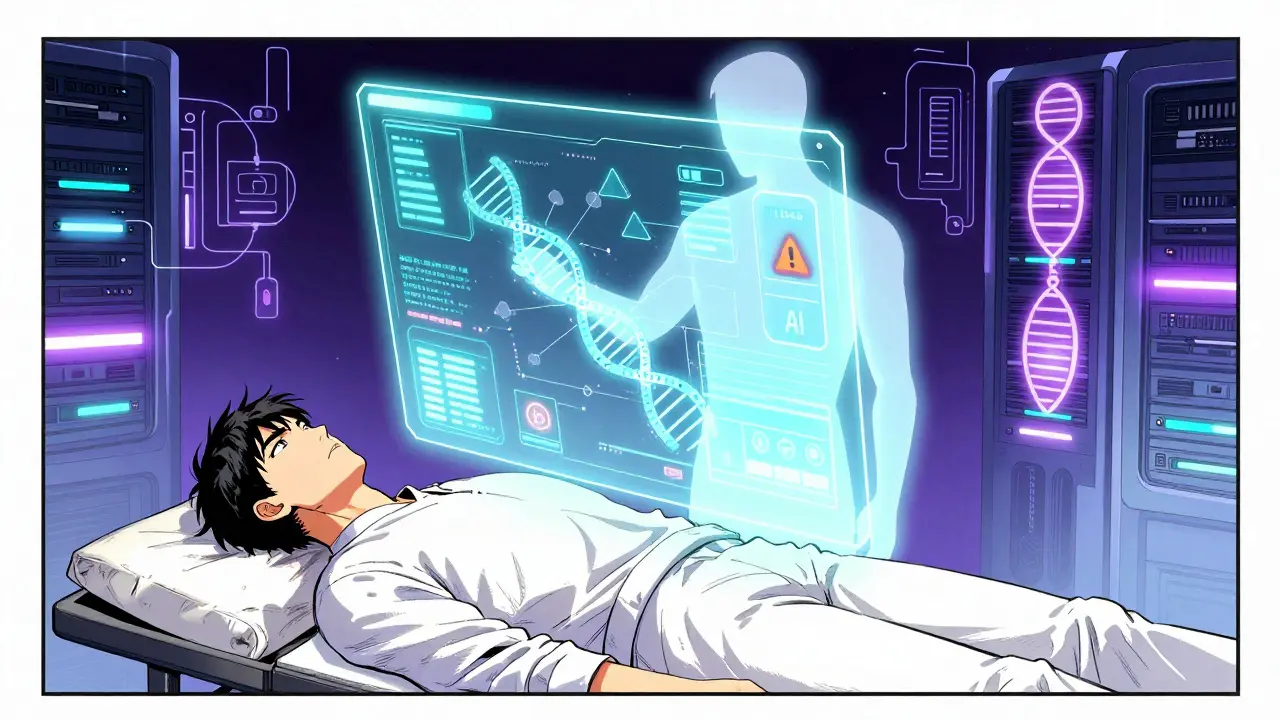
New technology is also helping. Machine learning algorithms developed by researchers at the University of Toronto can predict high-risk DDSIs with 89% accuracy by analyzing over 150 clinical variables. This is far better than traditional rule-based checks. The NIH’s "All of Us" program is linking genomic data with health records to predict individual risks based on your DNA.
Regulators are catching up too. The European Medicines Agency now requires drug-disease interaction sections in all new drug applications. The FDA has issued draft guidance mandating comorbidity subgroup analyses in clinical trials. This means future drugs will come with clearer instructions on who should avoid them based on their other health issues.
However, gaps remain. Only 31% of clinical practice guidelines currently incorporate comorbidity considerations. Medical schools dedicate an average of just 4.2 hours to teaching drug-disease interactions. Until education and guidelines catch up, the responsibility falls heavily on you-the patient-to speak up.
What is the difference between a drug-drug interaction and a drug-disease interaction?
A drug-drug interaction happens when two medications interfere with each other's effectiveness or safety (e.g., warfarin and aspirin increasing bleeding risk). A drug-disease interaction occurs when a medication worsens a pre-existing health condition (e.g., NSAIDs worsening heart failure by causing fluid retention).
Can I take ibuprofen if I have high blood pressure?
Occasional use is usually fine, but regular use of NSAIDs like ibuprofen can raise blood pressure and reduce the effectiveness of antihypertensive medications. It can also strain the kidneys. Acetaminophen is generally safer for pain relief in hypertensive patients, but always consult your doctor first.
Why do beta-blockers mask low blood sugar?
When blood sugar drops, your body releases adrenaline, causing shaking and a rapid heartbeat. Beta-blockers block the effects of adrenaline. Therefore, you won't feel the physical warning signs of hypoglycemia, making it harder to recognize and treat low blood sugar quickly.
Are drug-disease interactions more common in older adults?
Yes. Older adults often have multiple chronic conditions (polypharmacy) and age-related declines in kidney and liver function. The FDA notes that elderly patients average 4.7 chronic conditions and 5.4 concurrent medications, significantly increasing the risk of complex interactions.
How can I check if my medications interact with my conditions?
The best method is to bring a complete list of all your medications and health conditions to your pharmacist or doctor. Pharmacists can perform a comprehensive medication review. Online databases like CredibleMeds.org also provide detailed information on known interactions, but professional advice is essential for personalized care.





Sean Estabrooks July 5, 2026
They want you to believe it's just 'physiology' but have you ever considered that the pharmaceutical industry benefits from keeping you confused and dependent on multiple prescriptions? The fact that only 16% of clinical guidelines mention these interactions isn't an oversight, it's a feature of the system designed to keep you coming back for more pills. They flood the EHR systems with false positives to create alert fatigue, ensuring doctors ignore the real warnings while they push new drugs that interact badly with your existing conditions.
The FDA's Sentinel Initiative is just a way to monitor population control through medication side effects. Wake up people, your liver isn't failing by accident, it's being systematically poisoned by a machine that doesn't care about your holistic well-being.
Alana Frassinelli July 7, 2026
i feel like this hits close to home for a lot of folks who just assume their doctor knows everything about them. it's scary to think that specialists only look at one part of you and miss the bigger picture entirely. i've been there where i felt dismissed because my symptoms didn't fit the narrow scope of what they were treating. it takes so much energy to advocate for yourself when you're already dealing with chronic issues and trying to keep up with daily life.
the idea that pharmacists spend 13 minutes per patient for med reviews is both comforting and frustrating because most of us can't wait that long or afford that kind of personalized care. we're left navigating this complex web of interactions alone hoping nothing bad happens
Gavin Edley July 8, 2026
Oh please, spare me the fear-mongering about 'hidden clashes'. If you had half a brain cell you'd realize that doctors are highly trained professionals who know exactly what they are doing. You think they prescribe beta-blockers to asthmatics on purpose? That's ridiculous. The problem isn't the medicine, it's that people lie to their doctors about their habits and conditions because they're ashamed or lazy.
And don't get me started on the supplement nonsense. People think St. John's Wort is a miracle cure but it's just another variable in a chaotic equation created by your own lack of discipline. Stop blaming the system for your personal failures to communicate clearly with your healthcare providers.
jeremy pritchett July 8, 2026
yo u guys r missing the point here. its not about blame its about power. knowledge is power right? so why dont we use it? the system is broken yeah but we gotta fix it ourselves. stop waiting for some algorithm to save ur life. take control. write down every pill u take. ask questions. be loud. be assertive. ur body is ur temple dont let big pharma desecrate it with their profit margins.
if u have diabetes and kidney issues u better be checking those creatinine levels regularly or u r playing russian roulette. simple as that. no excuses. wake up and smell the coffee before u end up in the er.
Kimberly Simbulan July 9, 2026
Haha, oh great, another article telling us that taking two pills at once might kill us. Shocking stuff. I mean, who knew that mixing heart meds with lung issues could be problematic? Groundbreaking science right there.
But seriously, thanks for the checklist. I'll definitely add 'panic slightly less about dying' to my master list alongside my vitamins and ibuprofen. Because nothing says safety like realizing your natural herbs are basically chemical warfare against your antidepressants. Thanks for the laugh though, needed that today.
kavitha kumar July 11, 2026
this is so dramatic and unnecessary. nobody cares about your mild asthma unless you start wheezing loudly in public. why do we need all this extra info? just take the pill and hope for the best. its not like anyone dies from drug interactions every day. its fine. really. stop making such a fuss over nothing. life is short enjoy it dont worry about every little detail. its exhausting reading all this text
fred morgan July 11, 2026
The distinction between pharmacodynamic interference and pharmacokinetic alterations is crucial for understanding these risks. Many patients fail to recognize that organ dysfunction significantly alters drug metabolism. It is imperative that individuals maintain accurate records of their medical history and disclose all comorbidities to their healthcare providers. Failure to do so may result in adverse outcomes that are entirely preventable with proper communication and monitoring.
Sarah Boomgaard July 12, 2026
You say 'natural' is safe but nature is cruel. A mushroom can kill you. A snake can bite you. Why do you trust plants more than labs? It is hypocrisy. You judge others for taking pills but then eat poison berries called supplements. Your morality is flawed. You should focus on your own purity instead of lecturing us about drug interactions. The world is corrupt because people like you pretend to be healthy while hiding behind herbal myths. Shame on you for thinking you are special.
Gilbert Bankual July 12, 2026
This is exactly why you need to stay proactive. Don't let them catch you off guard. Check your labs. Know your numbers. If your kidneys are struggling, tell your doctor immediately. Do not wait for the next appointment. Take charge of your health today. Strength comes from preparation. Stay sharp.
Divya Prakash July 14, 2026
It is quite amusing to observe the sheer ignorance displayed in this thread regarding the nuanced complexities of clinical pharmacology and the systemic failures inherent in modern medical practice. One must question whether the average reader possesses the intellectual capacity to comprehend the implications of pharmacokinetic alterations in the context of chronic renal insufficiency, given the apparent lack of critical engagement with the provided data. The suggestion that a mere 'master list' suffices as a safeguard against the multifaceted dangers of polypharmacy is a simplistic oversimplification that ignores the profound disparities in access to specialized pharmaceutical counseling and the structural inadequacies of current electronic health record systems.
Furthermore, the reliance on machine learning algorithms, while statistically promising, fails to account for the epistemological limitations of training datasets that inherently reflect historical biases in medical treatment protocols. Until we address the root causes of fragmented care and the commodification of patient data, discussions of individual responsibility remain largely performative gestures devoid of substantive impact on public health outcomes. It is evident that a deeper, more rigorous academic discourse is required to adequately address these issues, rather than the superficial anecdotes presented here.