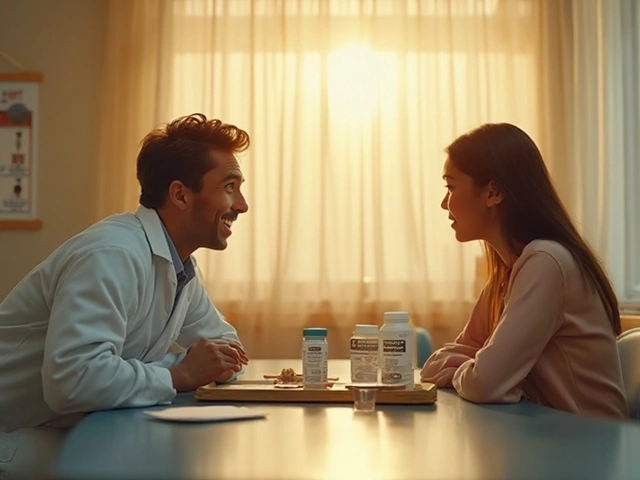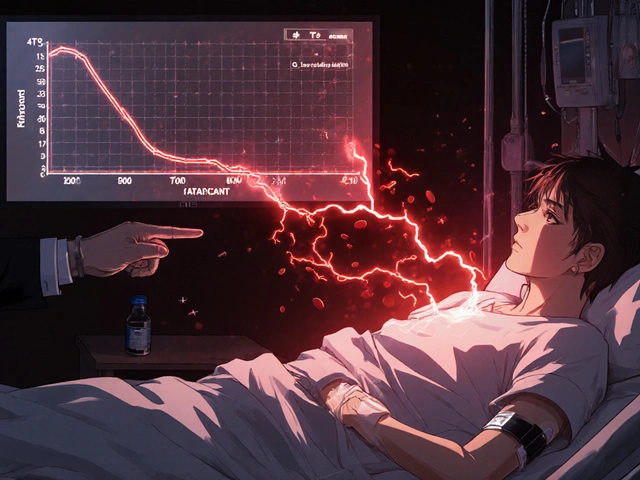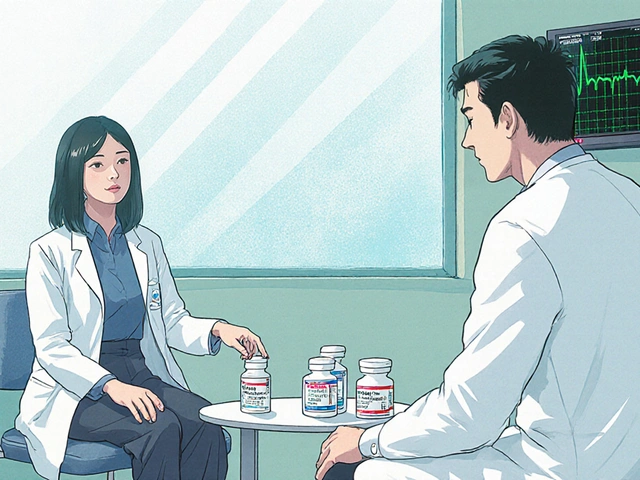
Think about your medicine cabinet right now. Is it in the bathroom? Is it unlocked? If you nodded yes to either of those questions, you might be putting your family at risk. We often treat medications like household staples-something we grab quickly and put back without a second thought. But unlike toothpaste or soap, pills and liquids can be dangerous if accessed by the wrong person or stored in the wrong conditions.
The stakes are higher than most people realize. According to data from the Centers for Disease Control and Prevention (CDC), around 60,000 children under the age of five visit emergency rooms every year because they got their hands on medication unsupervised. That is not just a statistic; that is thousands of families dealing with preventable trauma. Safe storage isn't just about tidiness; it is a critical health and safety measure.
The Bathroom Myth: Why It’s the Worst Place for Meds
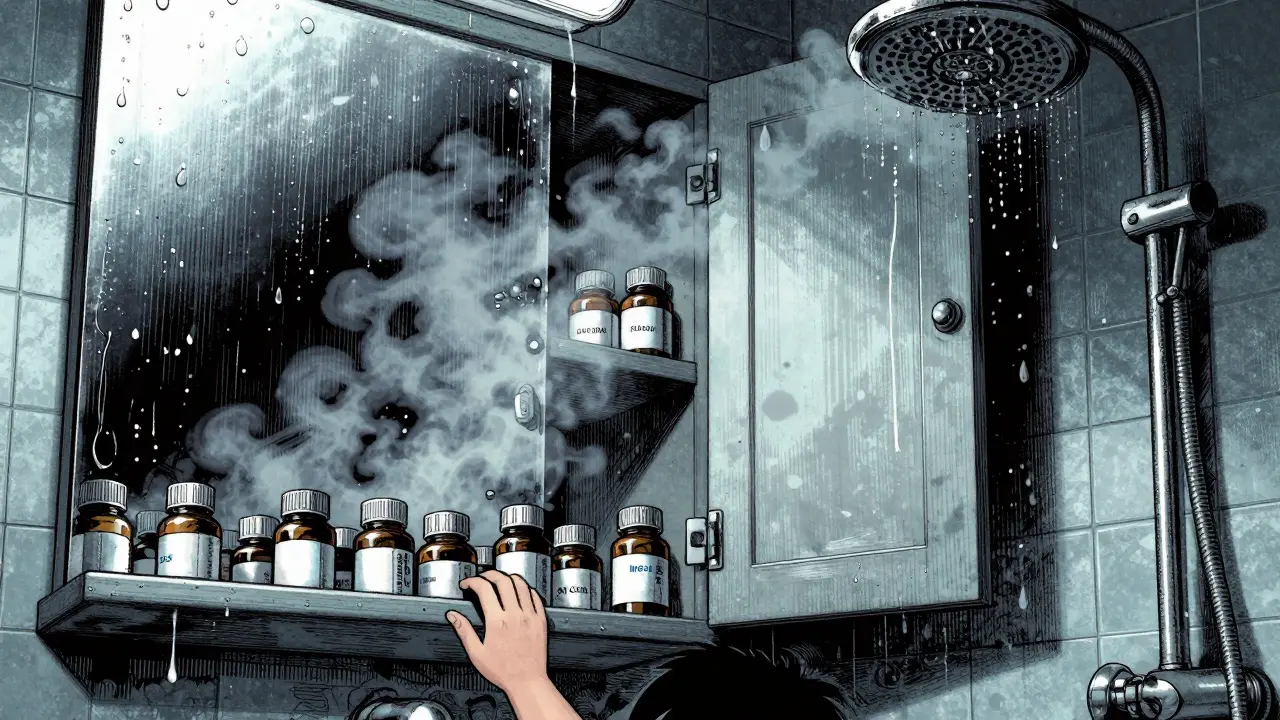
We have all been conditioned to store our medicines in the bathroom. It feels convenient. You take a pill, you brush your teeth, you’re done. But this habit is scientifically flawed. The bathroom is arguably the worst room in the house for storing pharmaceuticals due to fluctuating temperatures and high humidity levels.
Dr. Theresa Michele, a Consumer Safety Officer at the FDA, points out that showers create humidity spikes that can exceed 80%. This moisture doesn’t just make things feel damp; it actively degrades medications. Studies suggest that up to 67% of common drugs lose their effectiveness within 30 days when exposed to this kind of environment. Heat from hot water and steam breaks down chemical compounds, meaning that pill you took last month might not work as intended today.
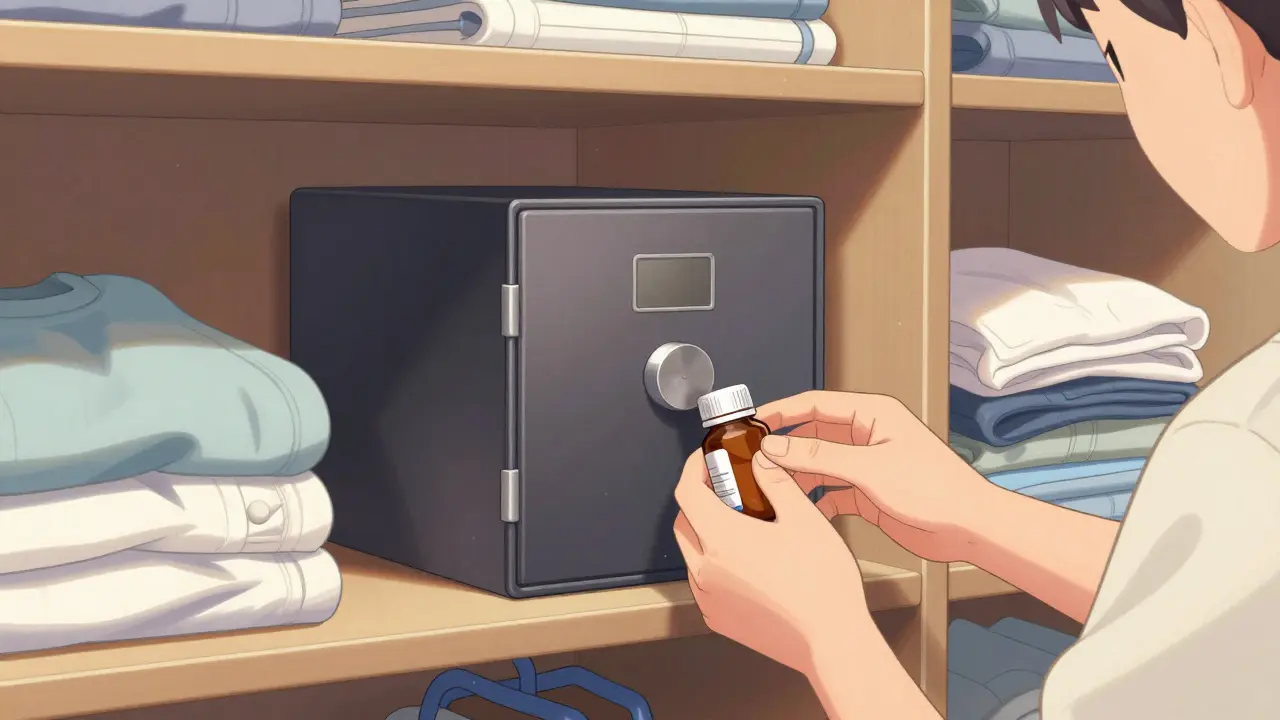
If you need a better spot, look for a cool, dry place away from direct sunlight. A bedroom closet, a kitchen pantry (if locked), or a dedicated drawer in a hallway are far superior options. The goal is consistency. Most standard medications require a temperature range between 68-77°F (20-25°C) and relative humidity below 60% to remain stable. Your bathroom rarely offers this stability.
Lock It Up: The Gold Standard for Safety
Child-resistant caps are helpful, but they are not foolproof. By age five, roughly half of all children can open these special bottles. They are designed to slow kids down, not stop them completely. For true security, you need a physical barrier that requires a key, combination, or biometric scan to access.
Research from the University of Michigan highlights a stark reality: 98.7% of households surveyed had medications accessible to children. Dr. Susan Whittier from Columbia University Irving Medical Center notes that unlocked cabinets increase the risk of pediatric poisoning by 300% compared to locked storage. That number is hard to ignore.
You do not need an expensive vault to achieve this. Basic medicine safes cost between $19.99 and $149.99. These small boxes bolt to drawers or shelves and provide robust locking mechanisms. If you already own a gun safe or a fireproof document box, use it. The Washington State Department of Health emphasizes that any locked compartment is significantly safer than a high shelf. Remember, toddlers are surprisingly agile; children as young as 24 months can climb to reach shelves that seem out of reach to adults.
- Medicine Safes: Small, lockable boxes that attach to existing furniture.
- Biometric Dispensers: High-tech options that use fingerprints to grant access, ideal for elderly users who struggle with keys.
- Existing Locks: Repurpose jewelry boxes or document cases with sturdy locks.
Special Handling: Insulin and Temperature-Sensitive Drugs
Not all medications follow the same rules. Some drugs, particularly biologics like insulin, certain antibiotics, and some eye drops, require refrigeration. However, "refrigerator" does not mean "anywhere in the fridge."
Insulin needs to be kept between 36-46°F (2-8°C). Storing it next to the freezer door can freeze it, rendering it useless. Storing it in the door itself exposes it to temperature swings every time you open the fridge. The best spot is usually the middle shelf, away from the walls. More importantly, it must be stored securely. Children are curious, and a refrigerator is easily accessible. Seattle Children's Hospital recommends keeping refrigerated meds in a locked container inside the fridge, separate from food items.
Always check the label. If it says "store at room temperature," do not refrigerate it unless instructed. Cold can sometimes damage non-refrigerated drugs just as much as heat can.
The Danger Zones: Purses, Cars, and Countertops
Where do accidents happen? Surprisingly, they often happen outside the traditional medicine cabinet. Data from the National Association for Children of Alcoholics (NACoA) shows that 27% of poisoning incidents involving grandparents' homes occurred because medications were left in purses, coat pockets, or on countertops.
This "convenience culture" is deadly. Taking a painkiller for a headache and leaving the bottle on the nightstand while you go to sleep creates a window of vulnerability. The NACoA guide specifies that medications must be returned to secure storage immediately after each use. Forty-two percent of pediatric poisonings occur during that brief 5-10 minute window when meds are left out.
Cars are another major hazard. The AAA Foundation found that 32% of households store medications in vehicles. This is risky for two reasons. First, cars get extremely hot in summer and freezing in winter, destroying the medication. Second, in an emergency, a first responder or a panicked family member cannot find what they need if it is buried in a glove box alongside registration papers and snacks.
| Mistake | Risk | Better Alternative |
|---|---|---|
| Bathroom Cabinet | Humidity degrades drugs; easy access for kids. | Bedroom closet with a lockbox. |
| Purse/Bag | High theft risk; accidental ingestion by children. | Return to main storage immediately after use. |
| Kitchen Counter | Visible and accessible; heat from cooking affects stability. | Upper cupboard with a child-proof latch. |
| Glove Box | Extreme temperatures destroy efficacy. | Home storage only; carry travel doses separately. |
Disposal: When to Let Go
Safe storage also means knowing when to throw things away. Hoarding old prescriptions is a common habit, but it increases the risk of misuse and accidental overdose. Expired medications may not only be ineffective but can sometimes break down into harmful substances.
Do not flush medications unless the label specifically instructs you to do so. Flushing contributes to environmental contamination, affecting local water supplies. Instead, utilize drug take-back programs. The EPA partners with thousands of pharmacies nationwide to provide free lockable containers and collection sites. In many areas, police stations and hospitals host permanent drop-boxes.
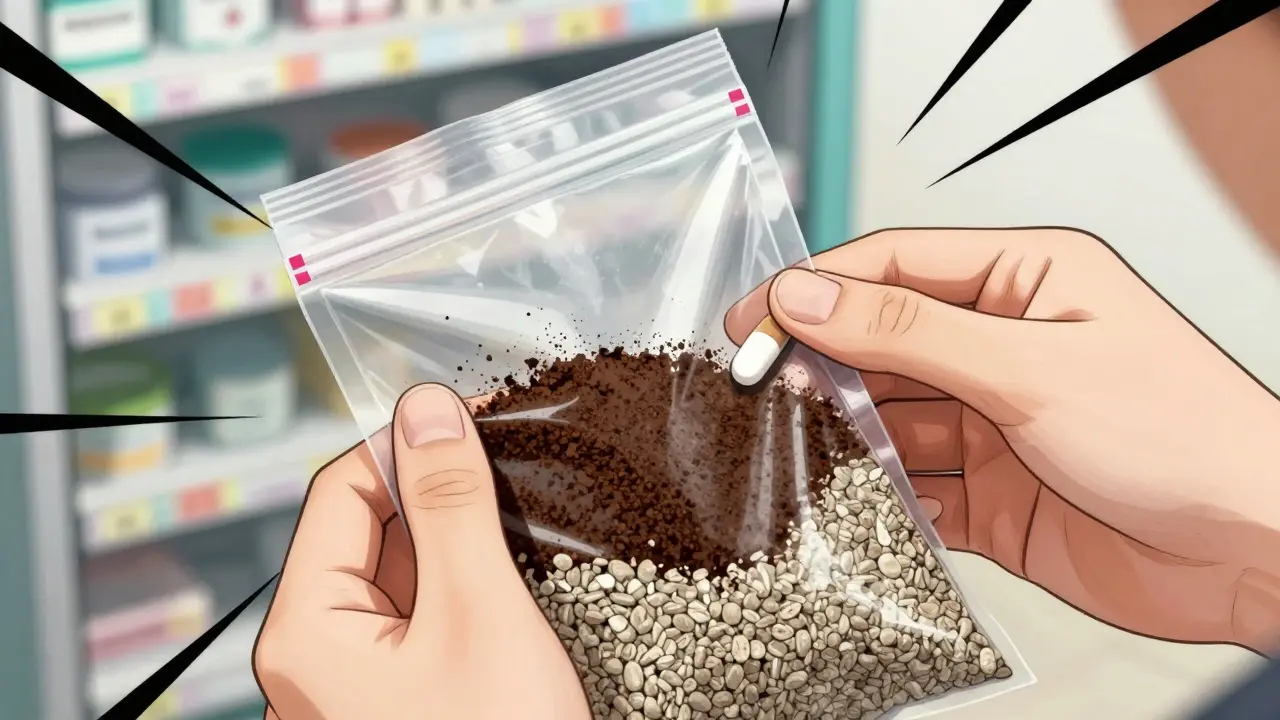
If no take-back site is available, the FDA recommends mixing unused pills with an unappealing substance like dirt, cat litter, or used coffee grounds in a sealed plastic bag before throwing them in the trash. This makes them less recognizable and less likely to be retrieved by children or pets. Always scratch out personal information on the prescription label before discarding the container to protect your privacy.
Accessibility for Seniors and Those with Dementia
Safety looks different for older adults. While locking up meds prevents child poisoning, it can hinder seniors who need regular access. For individuals with dementia or cognitive decline, the balance shifts. Total lockdown might lead to missed doses, which is equally dangerous.
In these cases, individualized solutions are necessary. Healthcare providers often recommend automated pill dispensers with alarms. These devices lock until the scheduled time, then unlock to dispense the correct dose. This ensures the patient takes the medication when needed but prevents double-dosing or accidental overconsumption. Family members should consult with doctors to find a system that balances independence with safety.
Creating a Household Safety Culture
Equipment alone won't solve the problem. Behavior change is essential. Talk to your children about why medicine is not candy. Teach them that even one pill can make them very sick. For households with multiple generations, establish clear rules. Grandparents visiting often bring their own meds; ensure there is a designated, secure spot for guests' medications that does not interfere with the primary storage area.
Regularly audit your stash. Every six months, go through your medications. Check expiration dates. Discard what you no longer need. Update your list of current prescriptions. This routine maintenance keeps your home safe and ensures you always have effective treatments when you need them.
Is it safe to store medications in the bathroom?
No, it is generally not recommended. Bathrooms experience high humidity and temperature fluctuations from showers and baths. This environment can degrade up to 67% of common medications within 30 days, reducing their effectiveness. A cool, dry, and locked location like a bedroom closet is much safer.
Are child-resistant caps enough to keep kids safe?
They help, but they are not sufficient on their own. By age five, approximately 50% of children can open child-resistant packaging. To truly prevent accidental poisoning, medications should be stored in a locked container or safe that is out of sight and reach.
How should I dispose of old or unused medications?
The best method is to use a drug take-back program at a local pharmacy or police station. If that is not available, mix the pills with an unappealing substance like cat litter or coffee grounds in a sealed bag and throw them in the trash. Do not flush them unless the label explicitly says to do so.
Can I store insulin in the refrigerator door?
It is better to avoid the door. The door experiences the most temperature fluctuations every time the fridge is opened. Store insulin on the middle shelf, away from the back wall, and keep it in a locked container to prevent accidental access by children.
What is the best type of lock for home medication storage?
For most households, a basic mechanical combination lock or key-lock medicine safe is sufficient and affordable. For elderly users with dexterity issues, biometric fingerprint locks or automated dispensers may be easier to use while still providing security against unauthorized access.