The truth is that about 75% of adults use supplements while taking prescriptions. Yet, only a small fraction actually talk to their doctor about it. This gap in communication leads to thousands of emergency room visits every year. Whether you're taking a daily multivitamin or a potent herbal extract, you need to know how these substances play together. If you're on critical meds-like blood thinners, immunosuppressants, or HIV therapy-a simple mistake here isn't just an inconvenience; it can be life-threatening.
The Hidden Danger of "Natural"
The biggest myth in wellness is that "natural equals safe." Think of it this way: some of the most potent poisons on earth are natural. When you take a supplement, you're introducing active chemicals into your body. These chemicals can change how your liver processes medicine, either speeding up the process (which makes the drug leave your system too fast) or slowing it down (which can lead to a toxic buildup).
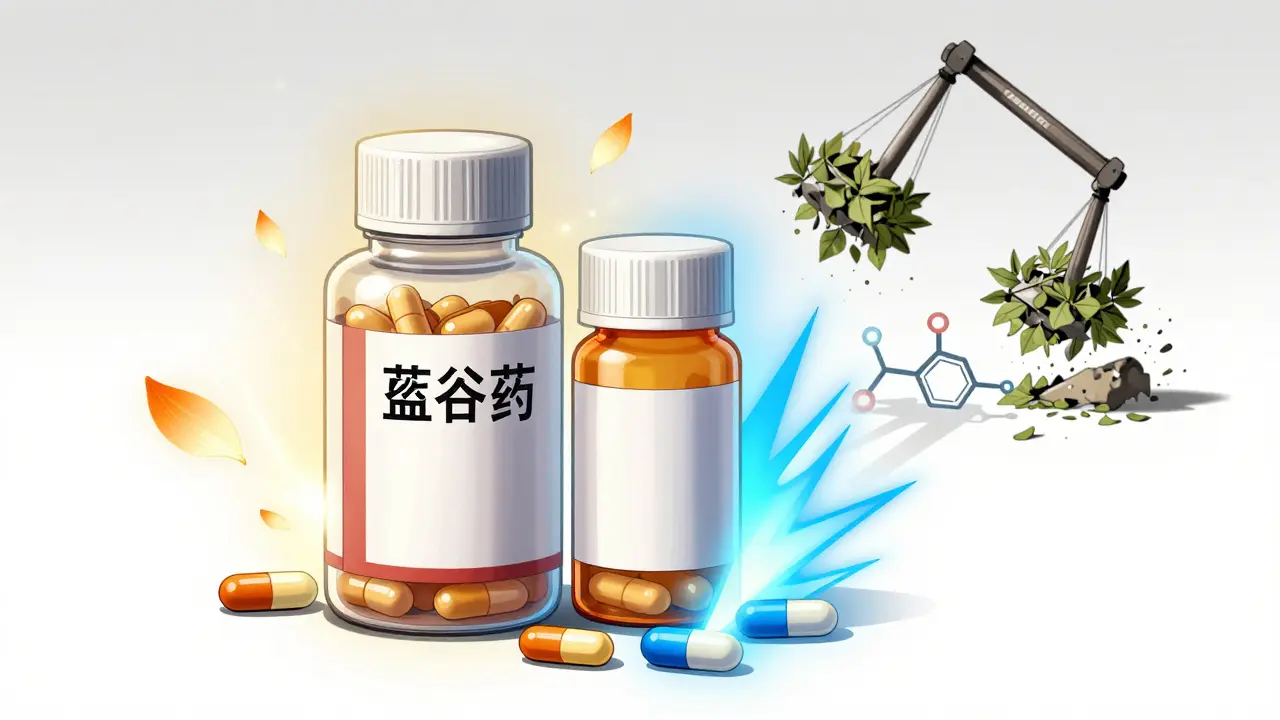
Take St. John's wort as the primary example. It's widely used for depression, but it's essentially a pharmacological wildcard. It triggers a protein called P-glycoprotein and an enzyme system known as Cytochrome P450 3A4. Together, these act like a vacuum, sucking medications out of your system before they can work. For people on organ transplant meds or HIV therapy, this can lead to total treatment failure. In some cases, it can reduce the concentration of vital drugs in your blood by as much as 80%.
High-Risk Combinations to Watch For
Not all supplements are equally dangerous. Some are low-risk, while others are red flags. If you are using the following combinations, you are in a high-risk zone and should seek medical advice immediately.
| Supplement | Medication Type | Potential Effect | Risk Level |
|---|---|---|---|
| St. John's wort | Birth Control / Antidepressants | Reduced efficacy / Serotonin Syndrome | Critical |
| Ginkgo biloba | Warfarin (Blood Thinners) | Increased bleeding risk | High |
| Vitamin E (>400 IU) | Anticoagulants | Enhanced thinning of blood | Moderate/High |
| Goldenseal | Various Pharmaceuticals | Altered drug metabolism | High |
For instance, combining Ginkgo biloba with Warfarin (a common blood thinner) is a recipe for disaster. Instead of just thinning the blood, the combination can cause the International Normalized Ratio (INR) to spike, significantly increasing the risk of internal bleeding. Similarly, too much Vitamin E can additivey inhibit clotting factors, making your blood *too* thin.
7 Critical Questions to Ask Your Doctor
Since most doctor visits are rushed, you likely won't get a full supplement review unless you drive the conversation. Use these specific questions to get the answers you actually need. Don't just ask "Is this okay?"-be specific.
- Does this supplement affect cytochrome P450 enzymes or drug transporters? This is the technical way of asking if the supplement changes how your liver and gut process the medicine. If it induces CYP3A4, your medication levels might drop dangerously low.
- Could this create additive effects? Some supplements do the same thing as your drug. If you're taking a sedative and add a supplement like Valerian, you might end up over-sedated, which can be dangerous if you're driving or sleeping.
- Is there evidence that this reduces my medication's effectiveness? Ask specifically if the supplement competes for absorption. For example, some minerals can bind to antibiotics, meaning you're essentially flushing the medicine down the toilet.
- Has this specific supplement been studied with my exact medication? Surprisingly, only about 15% of supplements have formal interaction studies. If the answer is "we don't know," that's a signal to be extremely cautious.
- What monitoring parameters should I track? If you're on blood thinners, you need to know if your INR needs more frequent checks. If you're treating HIV, you need to know if your viral load tests should be moved up.
- Are there safer alternatives to this supplement? Sometimes a different version of a plant is safer. For example, American ginseng often has fewer interactions than Asian ginseng.
- What symptoms indicate a dangerous interaction? You need a red-flag list. For someone taking SSRIs and St. John's wort, symptoms of Serotonin Syndrome-like confusion, rapid heart rate, and muscle rigidity-are critical warnings to head to the ER.
The Regulatory Gap: Why You Can't Trust the Label
You might look at a bottle and see "Clinically Proven" or "Pure," but here is the catch: supplements are not regulated like drugs. In the US, the FDA doesn't require pre-market safety and efficacy approval for supplements. This means a company can sell a product without proving it doesn't interfere with common medications.
A report from the Government Accountability Office found that 70% of supplement labels inaccurately represent the amount of ingredients they contain. If the label says 100mg but the bottle actually contains 500mg, the risk of an interaction increases exponentially. You aren't just dealing with a biological interaction; you're dealing with an unpredictable dose. This is why buying from brands with third-party certifications (like USP or NSF) is a better bet than buying the cheapest option on a marketplace.
Practical Tips for Staying Safe
Staying safe doesn't mean you have to ditch all your vitamins. It just means being organized. Start by creating a "Master List." This shouldn't just be a list of names, but should include the dosage and the brand. When you see a new specialist, hand them this list immediately. Don't wait for them to ask, because they might not.
If you're starting a new medication, treat your supplements as a variable that needs to be controlled. Consider pausing non-essential supplements for a week while you see how your body reacts to a new prescription. Also, keep an eye on your pharmacist. Pharmacists are often more attuned to drug-supplement interactions than general practitioners because their entire training is centered on pharmacology. If your doctor is unsure, your pharmacist is your best secondary resource.
Are all natural supplements safe if I'm taking medication?
No. Many natural supplements contain active compounds that can either block a medication from working or amplify its effects to a dangerous level. For example, St. John's wort can make birth control and heart medications fail, while Ginkgo biloba can increase bleeding risks for those on blood thinners.
How do I know if a supplement is interacting with my medicine?
Interactions can be subtle or sudden. Signs include the medication suddenly not working (e.g., breakthrough pregnancy on birth control), or new, unexpected side effects appearing. Specific dangerous reactions, like Serotonin Syndrome, can cause rapid heart rate, shivering, and confusion.
Why doesn't my doctor always warn me about these interactions?
Many physicians have limited time during appointments-often spending less than two minutes discussing supplements. Additionally, because supplements aren't regulated like drugs, comprehensive interaction data isn't always readily available in standard medical databases.
Can I take a multivitamin if I'm on prescription drugs?
Most standard multivitamins are safe, but some ingredients can still cause issues. For example, high doses of Vitamin K can interfere with blood thinners, and certain minerals can prevent the absorption of antibiotics. Always check the specific dosages with your provider.
What is the most dangerous supplement to mix with meds?
Medical experts generally consider St. John's wort to be the highest-risk supplement because it interacts with a vast array of prescription drugs, including antidepressants, immunosuppressants, and hormonal contraceptives, often by significantly reducing their plasma concentration.
Next Steps and Troubleshooting
If you've already been taking a supplement and a medication together and you're worried, don't stop your prescription medication abruptly-that can be dangerous. Instead, call your pharmacist today and ask for a "medication therapy management" (MTM) review. They can screen your full list for interactions in a few minutes.
For those about to start a new supplement, do a quick search on the NIH Office of Dietary Supplements database. If you see mentions of "CYP450 induction" or "anticoagulant effects," bring those specific terms to your doctor. Being an active participant in your own safety is the only way to navigate a supplement market that is currently more "wild west" than pharmacy.