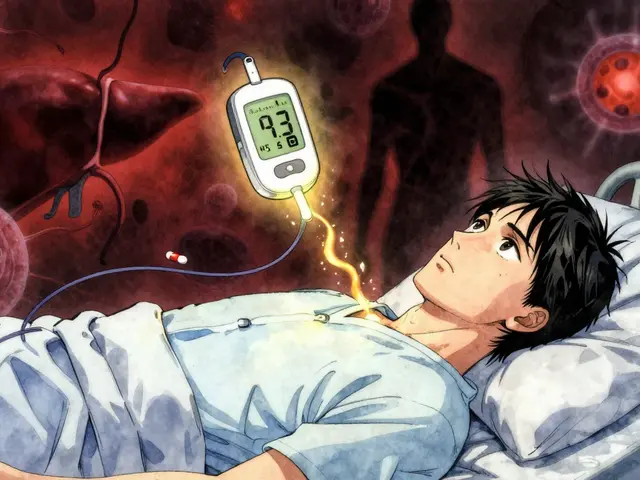

Imagine sitting in a busy restaurant with friends. You can see their mouths moving, but the words sound like mumbled static. You nod along, hoping you don't have to ask them to repeat themselves for the third time. If this sounds familiar, you might be dealing with presbycusis, which is age-related hearing loss that gradually affects your ability to hear high-frequency sounds. It’s not just about turning up the TV; it’s a complex physiological change that impacts how you connect with the world.
What Is Presbycusis?
Presbycusis comes from Greek words meaning "old" and "hearing." It is a progressive sensorineural hearing impairment. Unlike conductive hearing loss, which involves blockages in the outer or middle ear, presbycusis happens deep inside the inner ear. Specifically, the tiny hair cells in the cochlea deteriorate over time. These cells are responsible for converting sound waves into electrical signals for your brain. Once they die, they do not regenerate. Humans are born with about 16,000 of these cells, losing roughly 1% per year after age 30. By the time you reach your 70s, that cumulative loss becomes noticeable.
The National Institute on Deafness and Other Communication Disorders (NIDCD) reports that about one in three people aged 65 to 74 experiences some form of hearing loss. Nearly half of those older than 75 have significant difficulty hearing. This isn't just an inconvenience; it's a major health factor. A 2020 Lancet Commission report found that untreated hearing loss correlates with a 50% increased risk of dementia. The brain works harder to decode faint sounds, leaving fewer resources for memory and cognition.
Recognizing the Symptoms
You might think you’re just getting older, but specific symptoms point directly to presbycusis. The most common sign is trouble hearing higher-pitched sounds. Think about electronic tones, doorbells, or children’s voices. These frequencies typically range from 2,000 to 8,000 Hz and are often the first to go. Speech comprehension takes a hit too. In noisy environments, people with presbycusis often see their speech discrimination scores drop by 15-30%. Consonants like 's', 'f', and 'th' become indistinguishable from background noise, making conversations feel exhausting.
- Difficulty in noise: You understand fine at home but struggle in restaurants or family gatherings.
- Tinnitus: About 59% of cases come with ringing, buzzing, or hissing in the ears.
- Volume dependency: You need the TV louder than others prefer, often exceeding 65 decibels.
- Safety risks: Missing alarms, car horns, or smoke detectors becomes a real danger.
If you find yourself asking people to repeat themselves more than twice a conversation, or if you avoid social situations because listening feels like work, it’s time to get checked.
Why Does Hearing Loss Happen?
It’s rarely just one thing. Inner ear changes account for about 65% of presbycusis cases. But genetics play a huge role too. Studies show that 35-50% of age-related hearing loss is linked to genes like GRHL2 and GJB2. If your parents struggled with hearing, you’re more likely to face the same issue earlier.
Environmental factors accelerate the damage. Cumulative noise exposure above 85 decibels for more than eight hours a day increases your risk by 40%. This includes loud machinery, concerts, or even prolonged use of headphones at high volumes. Medical conditions also matter. Diabetes raises the risk by 28%, hypertension by 23%, and smoking by 15%. These conditions reduce blood flow to the delicate structures of the inner ear, starving the hair cells of oxygen and nutrients.
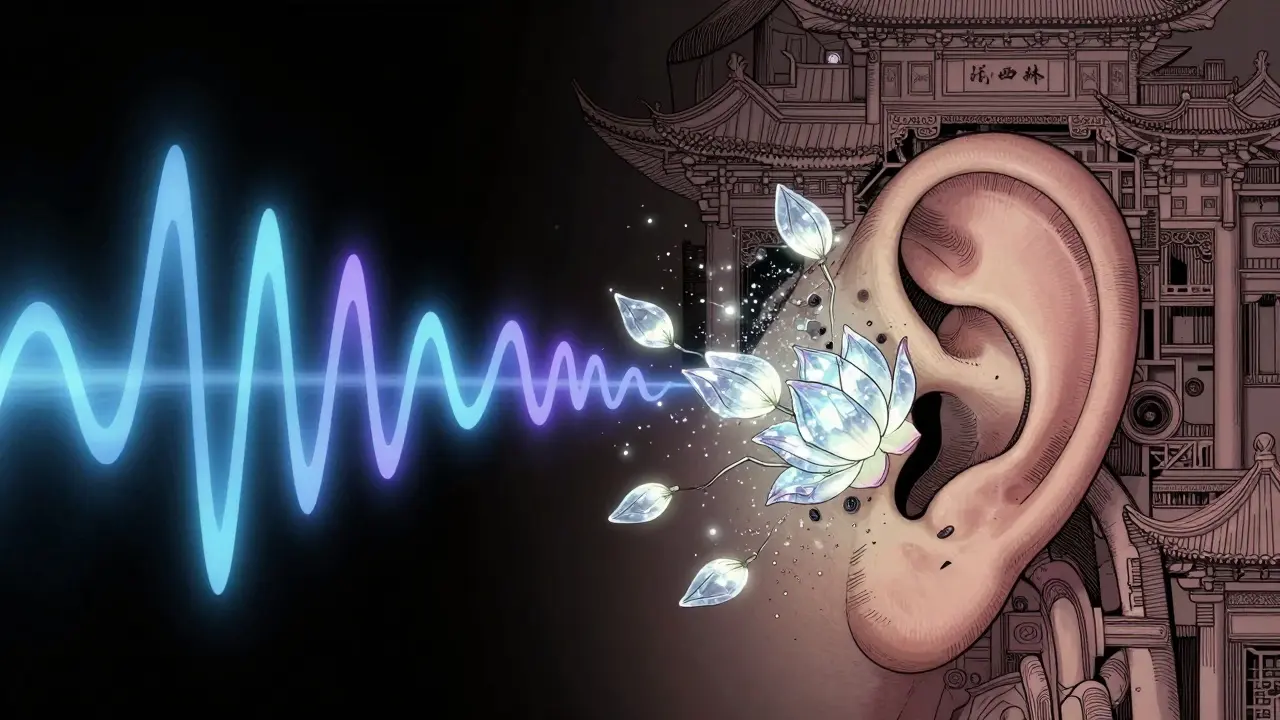
The Social and Mental Health Impact
Hearing loss doesn’t just affect your ears; it isolates you. People with untreated hearing loss are 5.3 times more likely to experience social isolation. Why? Because communication becomes frustrating. You miss jokes, misunderstand instructions, and eventually withdraw to avoid embarrassment. Depression rates jump by 32% in this group. There’s also a financial toll. A 2021 Better Hearing Institute analysis showed that untreated hearing loss correlates with an average annual income reduction of $30,000 compared to peers with normal hearing. Cognitive decline follows as the brain lacks stimulation from clear auditory input.
Amplification Strategies: Prescription vs. OTC
There is no cure for presbycusis, but amplification strategies can dramatically improve your quality of life. Hearing aids are the primary solution. Modern devices aren’t just simple amplifiers; they are sophisticated computers. They use digital signal processing with 16 to 64 frequency channels to selectively enhance speech while reducing background noise. Directional microphones improve the signal-to-noise ratio by 3-6 dB, helping you focus on the person speaking to you.
| Feature | Premium Prescription | Over-the-Counter (OTC) |
|---|---|---|
| Price Range | $1,800 - $3,500 per ear | $200 - $1,000 per pair |
| Fitting Process | Professional audiology fitting required | Self-fitted via app or manual controls |
| Best For | Moderate to severe loss, complex noise environments | Mild to moderate loss, quiet settings |
| Support | Ongoing adjustments and maintenance | Limited customer support |
In 2022, the FDA introduced a rule allowing Over-the-Counter (OTC) hearing aids for adults with mild to moderate hearing loss. This has disrupted the market, with OTC sales growing 140% year-over-year. Brands like Jabra Enhance Select lead this segment. However, prescription models like Phonak Paradise or Oticon More still dominate the premium space, offering AI-powered sound processing that reduces listening effort by 20%. If you have severe loss or complex needs, prescription aids remain the gold standard.

Getting Started with Hearing Aids
Adoption rates are surprisingly low-only 30% of eligible people use hearing aids. Many fear they’ll look old or expect instant perfection. Here’s the reality: hearing aids require a learning curve. Most users achieve 80% adaptation within 4-6 weeks. Complex features, like smartphone app control, take about 12 hours of practice. Don’t give up if they feel strange at first.
- Get tested: Start with a baseline screening. The American Speech-Language-Hearing Association recommends this at age 50, then every two years.
- Try before you buy: Look for a 30-60 day trial period. Reputable clinics offer follow-up appointments at 1, 2, and 4 weeks for fine-tuning.
- Manage expectations: Hearing aids restore clarity, not perfect hearing. Only 55% of users achieve "normal" hearing restoration.
- Maintain them: Batteries last 3-14 days depending on usage. Rechargeable models offer 16-20 hours per charge. Keep them dry and clean.
Telehealth has made this easier. Sixty-two percent of audiology practices now offer remote fine-tuning, so you can adjust settings without visiting a clinic.
Living Well with Presbycusis
Beyond amplification, small changes help. Face people when speaking to read lips. Reduce background noise by turning off TVs or fans during conversations. Protect your remaining hearing by wearing earplugs in loud environments. Regular check-ups catch issues early. Dr. Frank R. Lin from Johns Hopkins notes that treating hearing loss at age 60 rather than waiting until 70 could reduce dementia risk by 8-10% over a decade. Early intervention preserves neural pathways.
The global hearing aid market is projected to reach $14.7 billion by 2030, reflecting growing awareness. Whether you choose a premium prescription device or an affordable OTC option, taking action is crucial. Untreated presbycusis steals moments, connections, and independence. With the right strategy, you can reclaim your voice in the world.
Is presbycusis reversible?
No, presbycusis is permanent because the hair cells in the inner ear do not regenerate. However, amplification strategies like hearing aids can significantly improve hearing ability and quality of life.
When should I get my hearing tested?
Experts recommend a baseline hearing screening at age 50, followed by biennial check-ups. If you notice difficulty understanding speech in noise or frequent requests for repetition, schedule a test immediately regardless of age.
Are OTC hearing aids effective?
Yes, for adults with mild to moderate hearing loss. OTC options are more affordable and accessible but lack professional fitting. They work best in quieter environments. For severe loss or complex noise situations, prescription aids are superior.
Does hearing loss increase dementia risk?
Yes. A 2020 Lancet Commission report links untreated hearing loss to a 50% increased risk of dementia. Treating hearing loss early, especially around age 60, may reduce this risk by preserving cognitive function and neural pathways.
How long does it take to adjust to hearing aids?
Most users adapt within 4-6 weeks. Initial discomfort or strange sounds are normal. Consistent wear and proper fine-tuning by an audiologist help speed up the process. Patience and realistic expectations are key.