
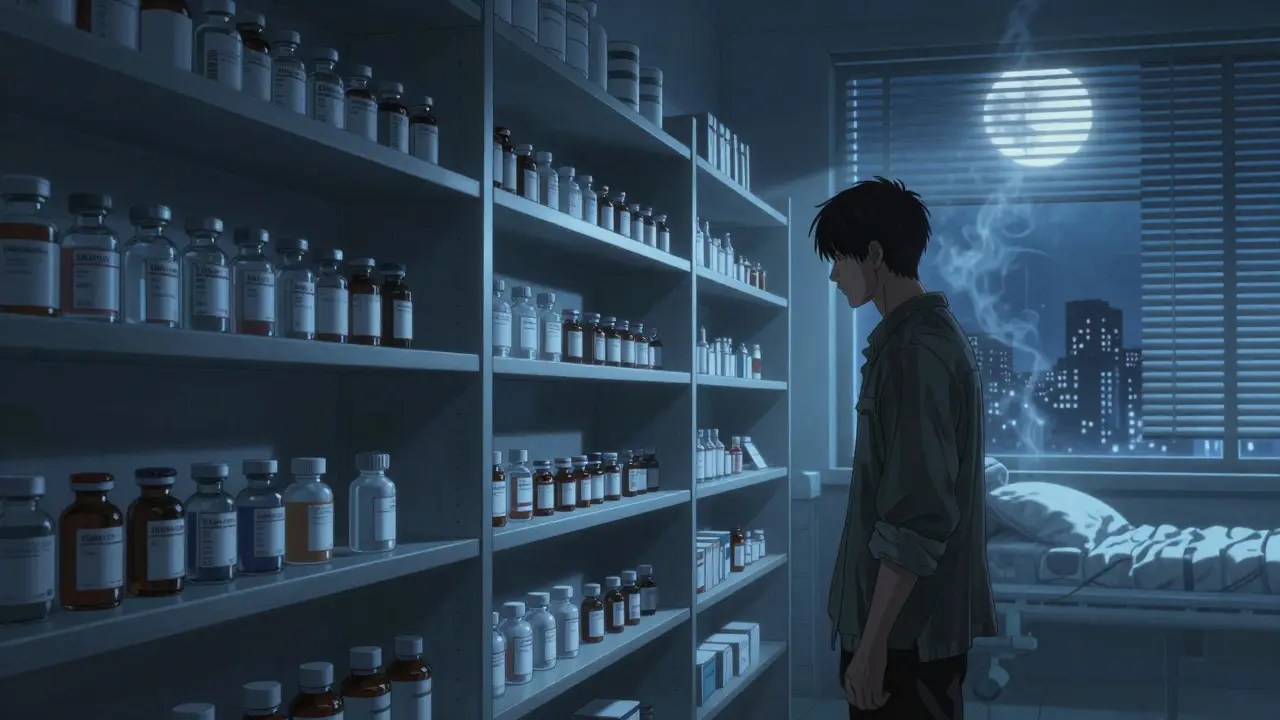
When the pandemic hit in early 2020, most people worried about masks, ventilators, and hospital beds. But behind the scenes, another crisis was unfolding-one that didn’t make nightly news but cost lives every day: drug shortages. Essential medications vanished from pharmacy shelves. People with diabetes couldn’t get insulin. Cancer patients waited weeks for chemotherapy. And on the streets, drugs became deadlier than ever.
When the Medicine Vanished
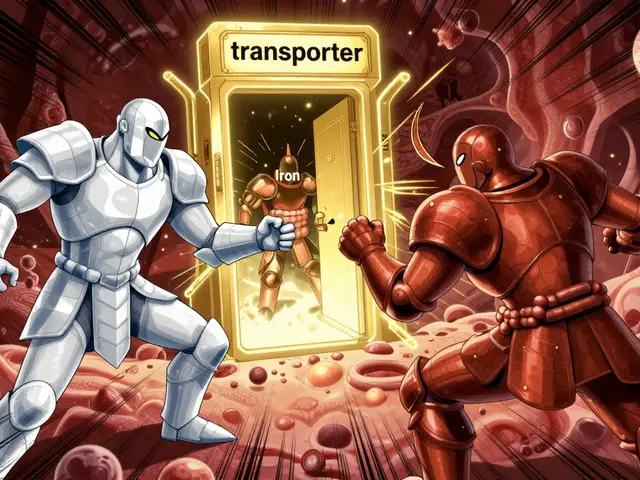
Between February and April 2020, nearly one in three drugs with reported supply issues actually ran out. That’s according to a major study published in JAMA Network Open that tracked over 7,000 medications. It wasn’t random. The drugs most affected were the ones hospitals needed most: antibiotics, anesthetics, sedatives, and drugs used to treat high blood pressure and heart failure. Many of these weren’t fancy or expensive-they were generic, mass-produced, and relied on a single factory overseas. When factories in China and India shut down or slowed production, the ripple effect hit U.S. pharmacies hard.By May 2020, things started to improve. The FDA stepped in. They started calling manufacturers directly, fast-tracking inspections, and even allowing temporary imports from trusted sources. Within months, most shortages returned to pre-pandemic levels. But that doesn’t mean the problem went away. The study found that the system was already fragile. A drug with a single supplier, low profit margins, or no backup production line was always one crisis away from disappearing. The pandemic didn’t create the weakness-it exposed it.
The Illicit Market Turned Deadly
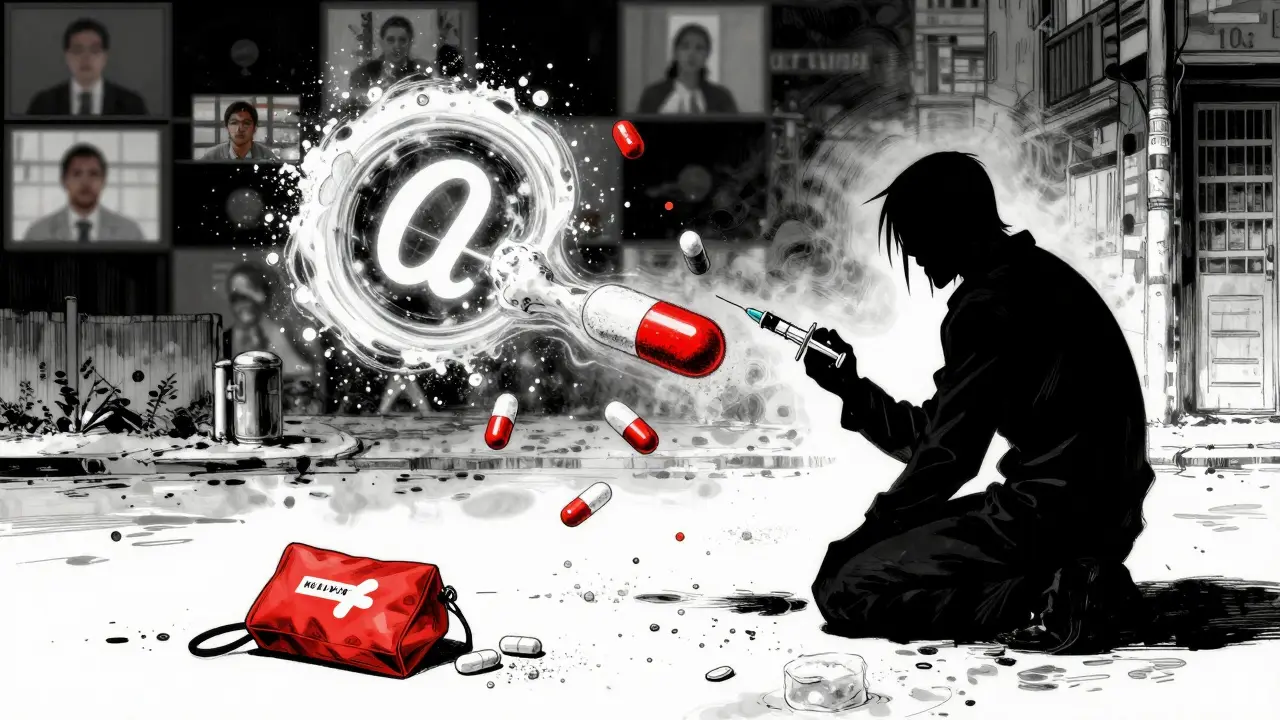
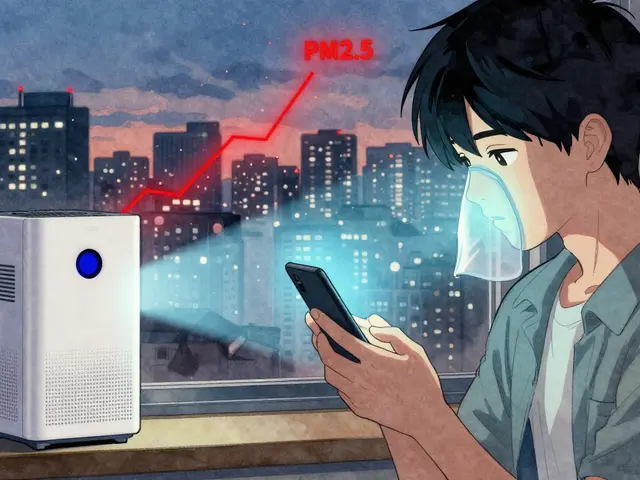
While hospitals scrambled for morphine and propofol, the illegal drug market didn’t just adapt-it got more dangerous. With borders closed and smuggling routes disrupted, dealers turned to what was easy: fentanyl. This synthetic opioid is 50 to 100 times stronger than heroin. It’s cheap to make, easy to mix into other drugs, and doesn’t require complex logistics. So dealers started cutting cocaine, methamphetamine, and even counterfeit pills with it.People didn’t know what they were taking. A Reddit user in the r/opiates community posted in June 2020: "The street supply got weird after lockdowns started-people were getting knocked out by doses that used to be normal. Turned out to be fentanyl-laced." That wasn’t an isolated story. The CDC reported 97,990 drug overdose deaths in the 12 months from May 2020 to April 2021. That’s a 31% jump from the year before. In states like West Virginia, Kentucky, and Tennessee, overdose deaths rose over 50%. This wasn’t a spike. It was a surge fueled by contamination, not increased use.
Telehealth Helped Some-But Left Others Behind
One of the few bright spots was the sudden shift to telehealth for addiction treatment. Before the pandemic, getting a prescription for buprenorphine-a medication that helps people manage opioid dependence-meant showing up in person, often at a clinic with long wait times. In February 2020, only 13% of these prescriptions were done remotely. By April, that number jumped to 95%. The government temporarily allowed doctors to prescribe methadone and buprenorphine over the phone, and patients could take home more doses at a time.For people in rural areas, this was life-changing. No more 90-minute drives to a clinic. No more missing work. But not everyone benefited. Older adults struggled with Zoom calls. People without smartphones or reliable internet were cut off. A study found that 75% of those with private insurance used fewer behavioral health services during the first few months of lockdown. Support groups, peer counseling, and needle exchanges shut down. Harm reduction workers in Philadelphia reported a 40% drop in service capacity. In Boston, naloxone kits-used to reverse overdoses-went up by 30%, but many people still couldn’t get them in time.
The Hidden Cost of Stigma
The pandemic made it harder to get help for addiction-and not just because services closed. Fear of judgment kept people away. One study found that people who used drugs were less likely to get tested for COVID-19 or go to the ER, not because they didn’t need care, but because they feared being reported to police or treated like criminals instead of patients. That stigma didn’t disappear with lockdowns. It got worse. Emergency rooms, already overwhelmed, sometimes turned away people who appeared to be using drugs. Harm reduction workers reported more people dying alone, without anyone to call 911.Meanwhile, the people who needed help most-those with unstable housing, mental illness, or no insurance-were the least likely to benefit from telehealth. The system didn’t fail because of technology. It failed because it was never built to serve them.
What’s Still Broken
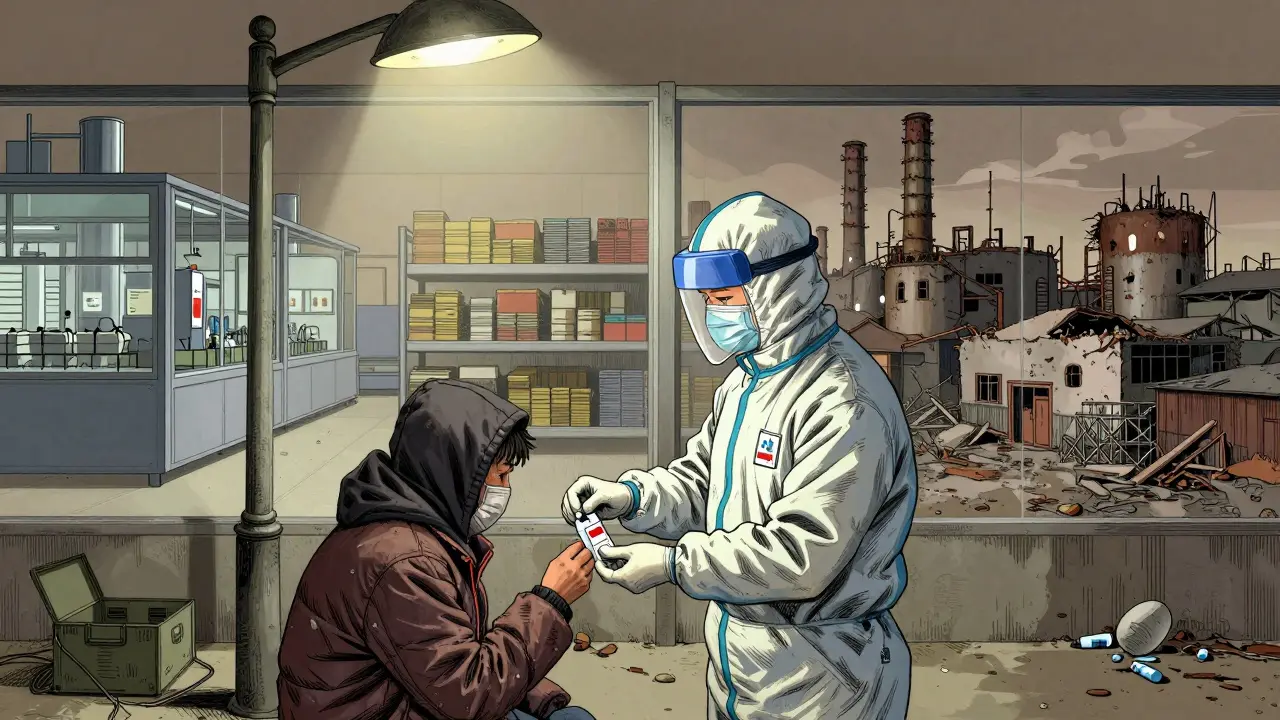
Drug shortages are back to pre-pandemic numbers, but the same vulnerabilities remain. Over 80% of active pharmaceutical ingredients still come from just two countries: China and India. One natural disaster, one political conflict, one factory fire-and we’re back where we started. The 2023 National Defense Authorization Act tried to fix this by requiring more transparency in supply chains, but there’s no enforcement yet. No one is tracking how many backup suppliers a drug has. No one is forcing companies to stockpile critical meds.The overdose crisis, however, hasn’t slowed. The CDC recorded over 107,000 overdose deaths in 2022. Fentanyl is now found in nearly 70% of all drug-related deaths in the U.S. It’s not just a street drug anymore-it’s in fake oxycodone pills sold on social media, in powder sold as cocaine, even in vape cartridges. The market has adapted. The public health response hasn’t.
What Needs to Change
There are three things that could make a real difference:- Build domestic manufacturing capacity. The U.S. can’t keep relying on overseas factories for life-saving drugs. Investing in U.S.-based production of generics would reduce risk and create jobs.
- Expand harm reduction everywhere. Needle exchanges, supervised injection sites, and free naloxone distribution save lives. They’re not controversial-they’re proven. But they’re still banned or underfunded in most states.
- Fix the telehealth gap. If telehealth works for mental health and chronic disease, why not for addiction? We need low-tech options: phone-based counseling, text reminders for medication, and mobile clinics that bring care to neighborhoods, not the other way around.
The pandemic didn’t cause these problems. It just made them visible. The drugs we need are still too easy to lose. The people who need help are still too easy to ignore. And until we fix the systems behind both, another crisis is just around the corner.
Jason Pascoe February 12, 2026
I never thought about how drug shortages could be tied to factory shutdowns overseas. Makes you realize how fragile our system is. One hiccup and people can’t get insulin or chemo. We’re one pandemic away from chaos every single time.
Someone needs to start building domestic production. Not just for pride, but for survival.
Sonja Stoces February 13, 2026
LMAO so now we’re blaming China again? 🤡
Let me guess - next you’ll say we should’ve made all the meds in Ohio. Meanwhile, fentanyl’s still flooding in because cops care more about busting dealers than testing pills. Fix the supply chain? Nah. Fix the *people* who think addiction is a moral failure. 😤
Rob Turner February 14, 2026
Ive been in the UK system for years and honestly the same thing happened here. We lost access to basic antibiotics because half our supply came from India. No one talks about it because its not sexy. But when your grandad cant get his heart meds? Thats when you realize how thin the line is.
And dont get me started on how stigma kills. I knew a guy who died alone in a flat because he was too scared to call an ambulance. They saw him using and just assumed he was "just another addict". No one checked his pulse.
Luke Trouten February 14, 2026
The tragedy isn’t that the system failed during the pandemic. It’s that it was *designed* to fail the most vulnerable. Telehealth expanded access for some, yes - but only those with stable housing, reliable internet, and the social capital to navigate digital platforms. The rest? Left in silence. This isn’t a tech problem. It’s a justice problem. We built a system that assumes people are capable of advocating for themselves. But for many, just surviving the day is the full-time job.
Jonathan Noe February 15, 2026
I work in pharma logistics and let me tell you - the supply chain isn’t broken, it’s *deliberately* thin. Why? Because it’s cheaper. Why do you think every single generic drug has one supplier? Profit. Companies don’t want to stockpile. They don’t want to invest in redundancy. They want to run lean. And guess what? When a factory in Gujarat shuts down for a week, the whole U.S. feels it. We’re one monsoon away from a national health emergency. And nobody’s even talking about it.
Stacie Willhite February 16, 2026
This hit me hard. My sister’s been on buprenorphine for 6 years. When telehealth started, she finally got to see her doctor from her couch. No more missing work. No more sitting in a waiting room for 3 hours. But when the rules changed back? She lost access. Now she’s back to driving 2 hours each way. And she’s not even in a rural area. She’s in Ohio. Imagine if you lived in West Virginia. We’re not fixing this. We’re just pretending we care.
Annie Joyce February 17, 2026
Fentanyl’s not some boogeyman - it’s a business model. Dealers don’t care if you die. They care if you’re still buying. And with borders closed, they didn’t have to risk smuggling heroin anymore. Just toss a pinch of powder into a fake oxy pill and sell it for $5. Boom. Profit. The DEA’s still chasing street dealers while the real villains - the chemists in China and the distributors who ship the precursors - laugh all the way to the bank. We’re fighting ghosts while the real monsters stay hidden.
Gabriella Adams February 19, 2026
I have to say - I’m stunned by how little attention this got. We had a global pandemic. We had people dying from lack of insulin. We had overdose deaths skyrocketing. And yet, the headlines were about toilet paper and Zoom fatigue. Where was the outrage? Where was the congressional hearing? This isn’t a footnote. It’s a national failure. And the fact that we’re already moving on? That’s the real tragedy.
Kristin Jarecki February 20, 2026
The structural inequities exposed here are not accidental. They are the result of decades of underfunding, privatization, and the commodification of healthcare. When a life-saving drug is treated as a commodity rather than a public good, its availability becomes contingent on profit margins, not human need. The pandemic did not create this crisis. It merely illuminated the pre-existing fault lines in our social contract. Until we reframe medicine as a right - not a privilege - we will continue to bury the most vulnerable in silence.
Craig Staszak February 20, 2026
I think the real issue is we keep treating addiction like its a choice when its a brain disease like any other
if someone had a tumor theyd get treatment not jail
why are we so different with drugs
alex clo February 20, 2026
I appreciate the depth of this analysis. One point that deserves further emphasis: the shift to telehealth for addiction treatment was not merely a pandemic adaptation - it was a long-overdue recognition of the barriers to care. The fact that it worked so well, so quickly, proves that the infrastructure existed. What was missing was political will. Let’s not go back to the old model. Let’s make this permanent.
Alyssa Williams February 22, 2026
I just want to say thank you for writing this. My cousin died last year from a fentanyl-laced pill she thought was Adderall. She was 22. She was a nursing student. She didn’t even use drugs regularly. This isn’t about "bad people". It’s about a system that lets poison be sold like candy. We need to stop pretending this is about morality. It’s about public health. And we’re failing.