
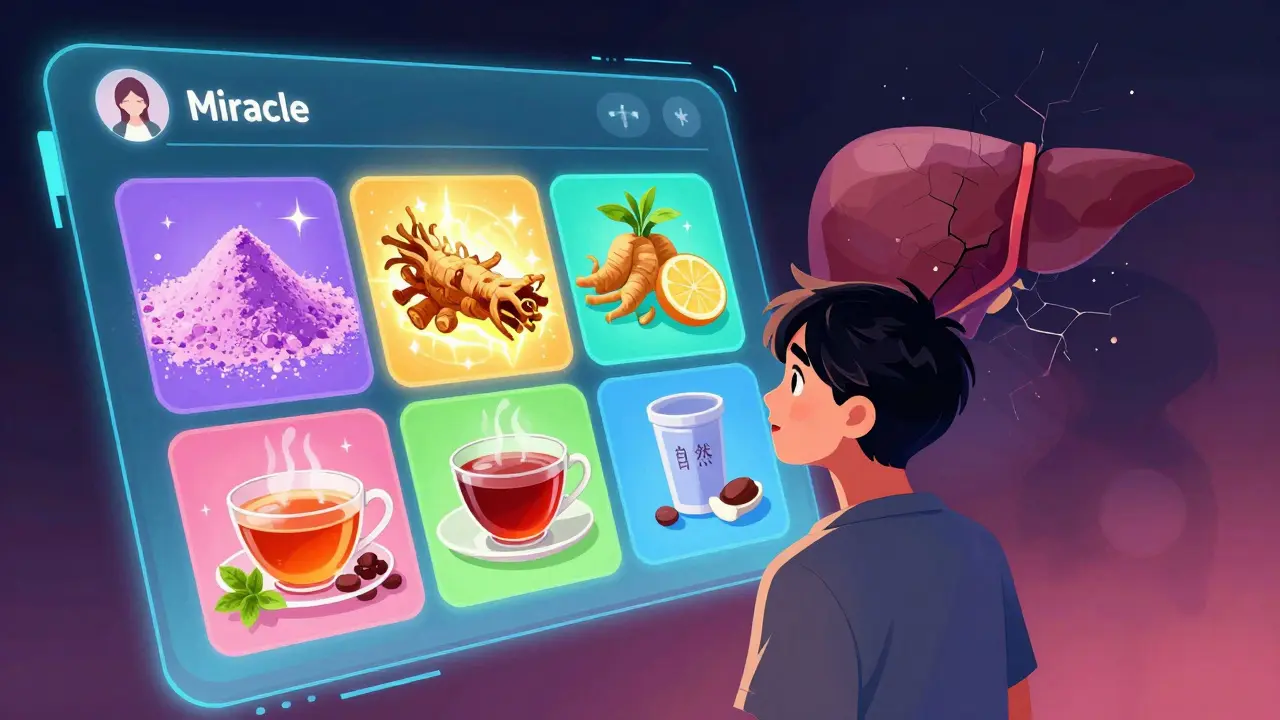
You probably see them every day on TikTok or Instagram: a "miracle" powder for energy, a root extract for anxiety, or a tea promised to melt fat. Because they're labeled as "natural," it's easy to assume they're safe. But here is the scary truth: your liver doesn't always see "natural" as "safe." In fact, the very organ that works 24/7 to detox your body is often the one most damaged by these products. Liver toxicity is the damage or dysfunction of liver cells caused by exposure to toxins, including certain herbal and dietary supplements (HDS).
The problem isn't just the herbs themselves; it's a wild west of regulation. Unlike prescription meds, many supplements hit the shelves without a single human clinical trial. This has led to a frightening spike in cases. According to the Drug-Induced Liver Injury Network (DILIN), supplements accounted for only 7% of liver injury cases back in 2003, but by 2014, that number jumped to 20%. We are seeing more people end up in the ER with acute liver failure not because of a pharmaceutical drug, but because of a "wellness" product.
The Red List: Supplements Linked to Liver Damage
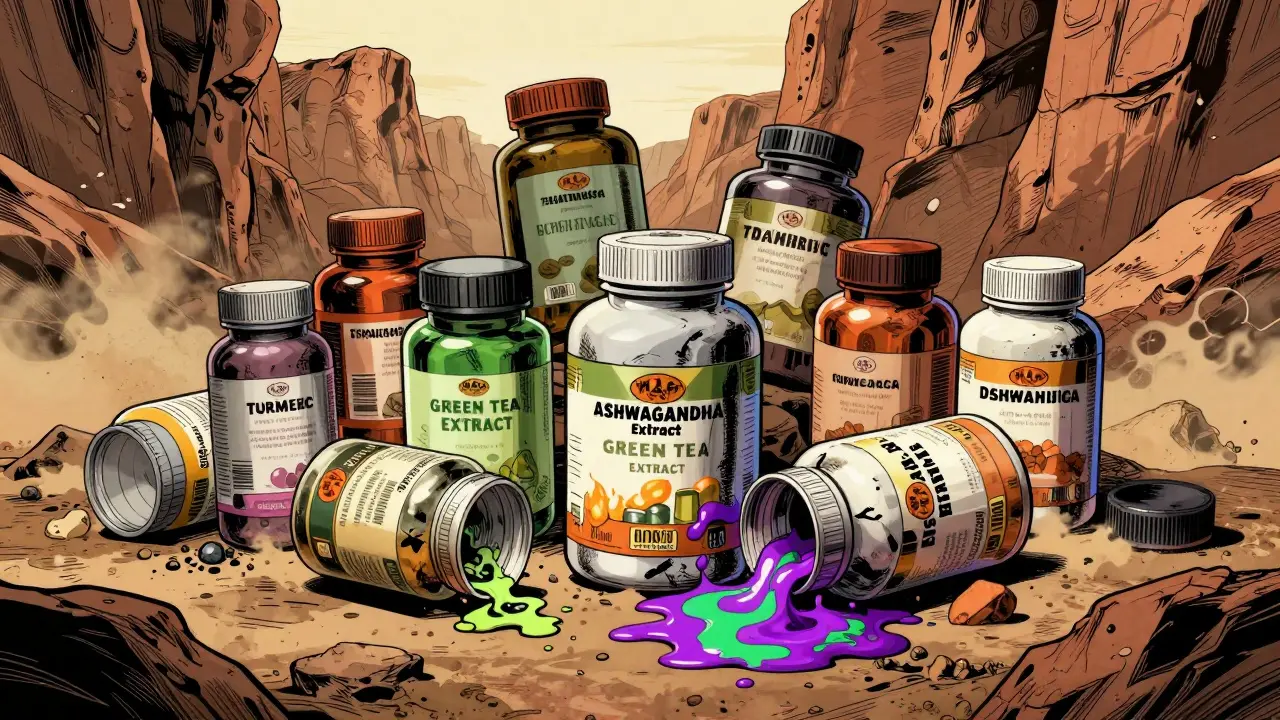
Not every herb is dangerous, but some have a documented track record of causing trouble. A 2024 study published in JAMA Network Open identified six specific botanicals that frequently show up in hepatotoxicity cases in the US. If you're taking these, especially in high doses, you should be cautious.
- Turmeric (and its active compound Curcumin): While great in food, high-dose supplements have been linked to hospitalizations for liver injury.
- Green Tea Extract: Unlike drinking a cup of tea, concentrated extracts can overwhelm the liver.
- Garcinia Cambogia: Often found in weight loss pills, this fruit extract has been tied to several liver failure cases.
- Black Cohosh: Frequently used for menopause symptoms, but it can cause severe reactions in some users.
- Red Yeast Rice: Used to lower cholesterol, but it behaves similarly to statins and can stress the liver.
- Ashwagandha: A popular adaptogen for stress that has appeared in increasing numbers of liver injury reports.
It is also worth noting that some regional botanicals, such as Teucrium polium (mountain germander), have caused significant clusters of liver injury in places like Turkey. The takeaway? Just because it's a plant doesn't mean it's harmless.
Why "Natural" Doesn't Mean Safe
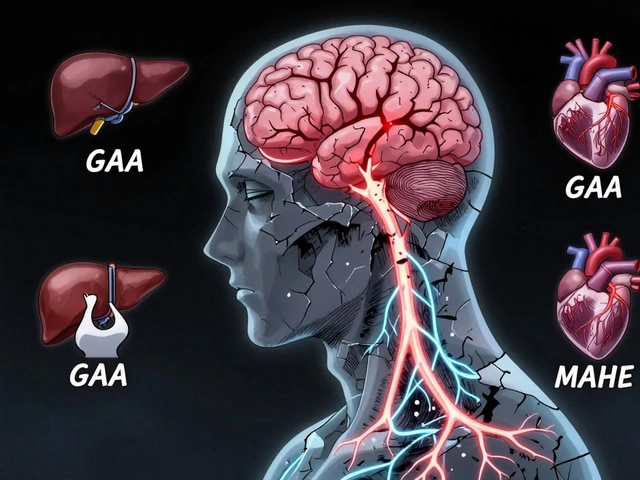
Why does a plant cause a medical emergency? It usually comes down to how the liver processes the substance. Hepatotoxicity often happens during metabolism-the process where your liver breaks down a substance into something the body can use or discard. If that process creates a toxic byproduct, your liver cells can start to die.
But the chemical itself is only half the story. The real danger often lies in what *isn't* on the label. Many supplements are essentially "black boxes." Research shows that up to 60% of tested products are either mislabeled or adulterated. Imagine buying a "natural" pain reliever only to find it contains hidden corticosteroids or an "energy booster" laced with sildenafil (a drug used for erectile dysfunction). These hidden pharmaceutical agents can create a toxic cocktail in your system.
Contamination is another huge risk. Plants absorb whatever is in the soil. Some turmeric supplements have been found to contain lead levels that exceed safety thresholds, while others contain mercury or arsenic. Pesticide residues are also common, appearing in roughly 23% of herbal products tested in some studies.
| Contaminant Type | Common Examples | Estimated Frequency |
|---|---|---|
| Heavy Metals | Lead, Mercury, Arsenic | Up to 18% (Lead) |
| Hidden Drugs | Sildenafil, Steroids, NSAIDs | Up to 22% (Sexual enhancers) |
| Chemicals | Pesticides | Approx 23% |
| Biologicals | Microbial contaminants | Approx 7% |
The "Allergic" Reaction: Why Some People Get Sicker
You might know someone who takes a supplement for years with no issues, while another person takes one pill and ends up in the hospital. Why the difference? It's similar to a food allergy. Some people are genetically predisposed to be more vulnerable. Your liver can become "overwhelmed" when the demands on its filtering functions exceed its capacity.
New research in pharmacogenomics is actually starting to map this out. For example, people with the HLA-B*35:01 allele may be more susceptible to certain herbal toxins. In these cases, even a small amount of a supplement-like a single capsule of turmeric taken over a long period-can wreak havoc on the liver because the body simply cannot process it safely.
Warning Signs: How to Tell Your Liver is Struggling
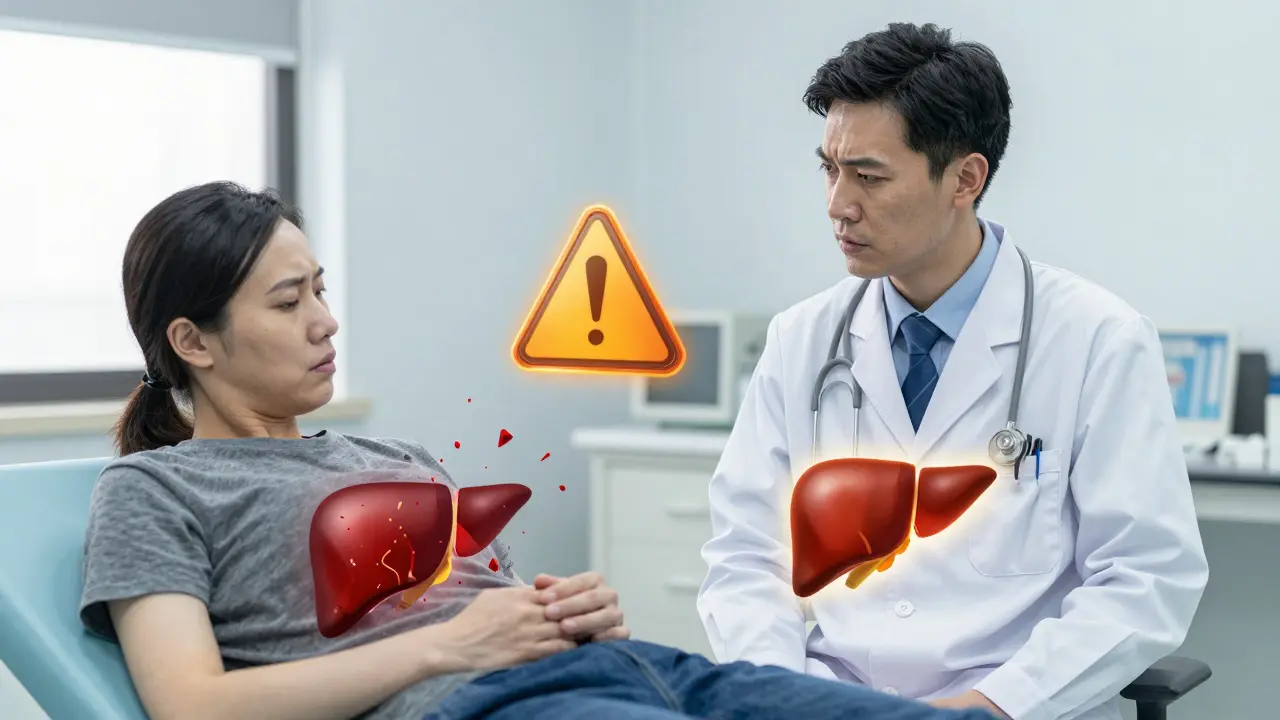
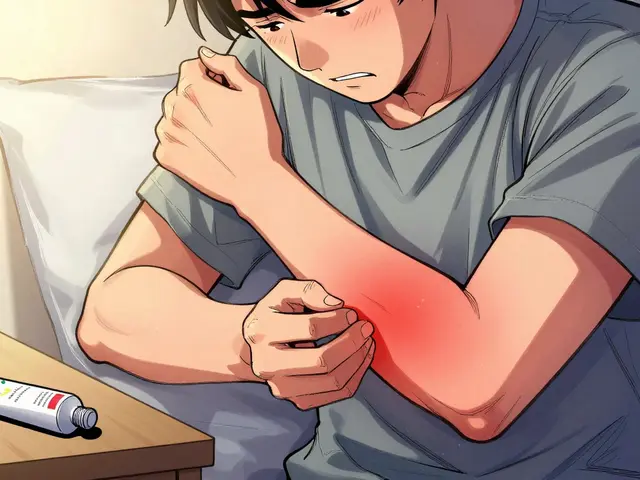
The tricky part about liver damage is that the liver doesn't have many pain receptors. By the time you feel a "sharp pain," the damage is often advanced. However, there are systemic red flags. If you are taking liver toxicity-linked supplements and notice these symptoms, stop immediately and see a doctor:
- Extreme Fatigue: Reported in 87% of cases. This isn't just "being tired"; it's a deep, crushing exhaustion.
- Abdominal Pain: Specifically in the upper right side where the liver sits (seen in 76% of cases).
- Nausea: A persistent feeling of sickness or loss of appetite (68% of cases).
- Dark Urine: Urine that looks like tea or cola, often accompanied by yellowish skin or eyes (jaundice), occurs in 52% of cases.
Doctors often check these through blood tests, specifically looking for elevations in ALT (alanine aminotransferase) and AST (aspartate aminotransferase). If these enzymes are high, it's a signal that liver cells are leaking and damaged.
How to Protect Yourself in an Unregulated Market
Since the FDA and other global agencies don't require prospective clinical trials for supplements, the burden of safety falls on you. You can't trust the "100% Natural" badge on the bottle. Instead, use these rules of thumb:
- Avoid the "Miracle" Claims: If a product promises to cure five different diseases and lose you ten pounds in a week, it's likely a red flag for adulteration.
- Check for Third-Party Testing: Look for seals from independent labs (like USP or NSF). These labs verify that what is on the label is actually in the bottle and that there are no dangerous levels of lead or mercury.
- Be Wary of High Doses: While a sprinkle of turmeric in your curry is healthy, a high-potency extract pill is a different chemical experience for your liver.
- Full Disclosure: Always tell your doctor every single supplement you take. Many clinicians now routinely screen for HDS use during liver evaluations because they know how often patients forget to mention "natural" vitamins.
Are all herbal supplements dangerous for the liver?
No, most are not. However, a small percentage of botanicals are inherently hepatotoxic, and many others are dangerous because they are contaminated with heavy metals or laced with hidden pharmaceuticals. The risk increases significantly with high doses and long-term use.
Why is green tea extract more dangerous than green tea?
Drinking tea provides a diluted amount of compounds. Extracts concentrate these substances, particularly EGCG (epigallocatechin gallate). In high concentrations, EGCG can trigger liver cell death in susceptible individuals, which is why extract supplements have been linked to liver failure while the beverage itself is generally safe.
Can I take these supplements if I already have liver disease?
It is extremely risky. If your liver is already compromised, its ability to detoxify substances is reduced. This means even "safe" supplements can become toxic because your liver cannot process them efficiently, leading to a buildup of toxins and further inflammation.
What should I do if I think a supplement caused liver damage?
Stop taking the supplement immediately and contact a healthcare provider. Bring the bottle with you to the appointment so the doctor can see the exact ingredients and dosage. Ask for a liver function test (ALT/AST levels) to assess the current state of your liver.
Is turmeric safe in food?
Yes. Using turmeric as a culinary spice is generally considered safe for everyone. The toxicity concerns are almost exclusively tied to high-dose concentrated supplements and extracts, not the amount found in traditional cooking.

Carol Yang April 27, 2026
This is honestly such a good reminder to just be careful with the stuff we buy online.
Daniel Runion April 28, 2026
Wait... so we're just supposed to trust the FDA now??? Give me a break!!! These "warnings" are probably just to push us toward expensive pharma drugs that do the same thing but with more side effects!!! Absolute joke!!!
Hayley Redemption April 29, 2026
The intellectual laziness of the average consumer is staggering. People literally swallow anything that says "organic" on the label without glancing at a single peer-reviewed paper. It's almost impressive how easily a curated Instagram feed can override basic biological common sense. We live in an era where anecdotal evidence from a lifestyle influencer carries more weight than actual hepatology. It is frankly exhausting to watch people gamble with their organ health because they saw a pretty powder in a glass jar. Most people wouldn't know a clinical trial from a cookbook, yet they feel qualified to self-medicate with concentrated extracts. The systemic lack of health literacy is the real epidemic here. Honestly, if you can't distinguish between a culinary spice and a concentrated pharmacological extract, you shouldn't be buying supplements at all. It's a failure of education, plain and simple. We've traded science for aesthetics, and the liver is paying the price for this collective delusion. Just fascinatingly pathetic.
Jon Moss April 29, 2026
I've seen a few people in my circle get really sick after starting some random "wellness" tea. It's scary how quickly it happens.
Gauri Parab May 1, 2026
Imagine thinking third-party testing actually means anything in a globalized market. Most of those labels are just paid for by the company. Pure fantasy.
Nila Sawyer May 3, 2026
OMG this is so important!! 🌟 I had no idea that ashwagandha could actually be risky for some people, I've been seeing it everywhere on my feed lately!! 🌸 It's just so wild that we trust these "natural" labels without knowing the full story, but I'm so glad we have this information now to keep us all safe and healthy!! ✨ Let's all just promise to check with our doctors before trying the next big trend, because our health is the most precious thing we have and we have to protect it with all our hearts!! ❤️🌈💖
Vijay AGarwal May 4, 2026
The horror of hidden sildenafil in supplements is an absolute nightmare for the medical community! Imagine the chaos in the ER when a patient arrives with heart palpitations and has no clue they've been poisoned by a "natural energy booster"! It's an absolute tragedy!
Sharyl Foster May 5, 2026
Sure, but some of these "toxic" herbs have been used for thousands of years in traditional medicine. Suddenly a 2024 study says they're bad? Please.
Ben Jima May 6, 2026
Actually, traditional use often involves whole plants in food or teas, which is worlds apart from the concentrated extracts sold today. It's a huge difference in bioavailability and dose.
Brittney Prince May 7, 2026
The government is probably just suppressing these supplements because they're too effective and they can't patent a root. Wake up people.
William Zhigaylo May 7, 2026
It is absolutely disgraceful that individuals are so inept that they require a public service announcement to avoid poisoning themselves with unverified powders. Your ignorance is not a valid excuse for medical negligence.
Kristen O'Neal May 8, 2026
I want to know more about that HLA-B*35:01 allele. If we can actually test for this, we should be making it a standard part of any supplement regimen.
Nikita Shabanov May 8, 2026
Looking at the DILIN data is key here. The jump from 7% to 20% is a massive trend that cannot be ignored by healthcare providers.
sachin singh May 9, 2026
I believe the emphasis on third-party verification is a very constructive approach to mitigating these risks for the general public.