
Rebound Headache Risk Checker
Enter your recent headache history to assess if you might be experiencing Medication Overuse Headache (MOH).
Assessment Result
Why this matters:
Explanation of thresholds will appear here.
Next Steps:
Fill out the form on the left and click "Check My Risk" to see if your medication usage pattern suggests a risk for rebound headaches.
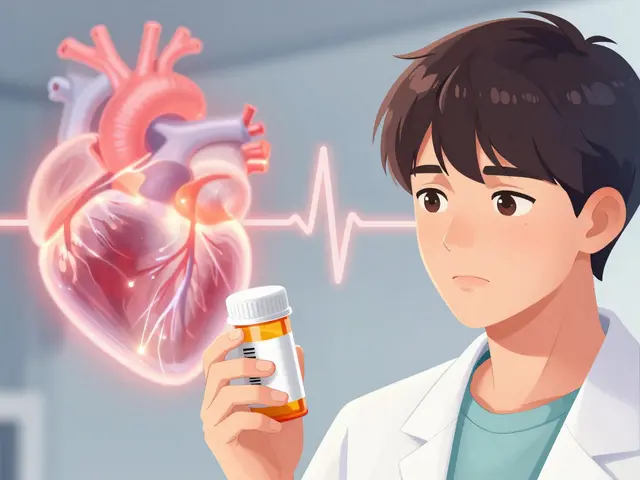
You take a pill for your headache. It helps. Then the pain comes back sooner than before. So you take another pill. This cycle feels normal when you're in pain, but it might actually be making things worse. If you have headaches more than 15 days a month and rely on painkillers frequently, you might be dealing with Medication Overuse Headache (MOH), also known as rebound headache. It’s a tricky condition where the very medicine meant to help you ends up causing more pain.
This isn't just about taking "too many" pills. It's about how your brain changes when exposed to certain drugs too often. Understanding this link is the first step to breaking free from daily pain. Let's look at how to identify if your meds are the culprit and what real relief looks like.
What Is Medication Overuse Headache?
Medication Overuse Headache is a secondary headache disorder caused by the regular use of acute headache treatments. The International Classification of Headache Disorders (ICHD-3) defines it clearly: you must have headaches on 15 or more days per month, regularly overuse one or more headache medications for more than three months, and the headache pattern must worsen during that period of overuse.
Think of it like a tolerance loop. Your nervous system gets used to the constant presence of painkillers. When the drug wears off, your brain reacts with heightened sensitivity, triggering a new headache. This forces you to take another dose, restarting the cycle. It’s not that you’re imagining the pain; your brain’s pain pathways have physically changed.
Who gets it? It’s surprisingly common. About 1-2% of the general population suffers from MOH. But here’s a striking stat: 70-80% of these cases occur in women. If you already suffer from migraines or tension-type headaches, you’re at higher risk because you’re more likely to reach for pain relief frequently.
Which Medications Cause Rebound Headaches?
Not all painkillers carry the same risk. Some trigger MOH much faster than others. Knowing which drugs are high-risk can help you spot trouble early.
| Medication Class | Risk Level | Overuse Threshold (Days/Month) | Examples |
|---|---|---|---|
| Opioids & Butalbital | High | ≥ 10 | Oxycodone, Tramadol, Butapap |
| Triptans | High | ≥ 10 | Sumatriptan (Imitrex), Rizatriptan |
| Combination Analgesics | Moderate | ≥ 15 | Excedrin (Caffeine + Aspirin + Acetaminophen) |
| Simple NSAIDs | Lower | ≥ 15 | Ibuprofen (Advil), Naproxen (Aleve) |
Notice the difference in thresholds. For opioids and triptans, using them just 10 days a month can cause rebound headaches. For simple NSAIDs like ibuprofen, the limit is usually 15 days. However, individual sensitivity varies. Some people develop MOH even below these limits, especially if they have underlying chronic migraine.
Caffeine is a sneaky culprit here. Many over-the-counter headache remedies contain caffeine. While caffeine can boost pain relief initially, frequent exposure leads to withdrawal headaches when you skip a dose. If you drink coffee and take Excedrin daily, you’re hitting that caffeine threshold hard.
How Do You Know It’s MOH?
Distinguishing MOH from a worsening primary headache (like chronic migraine) can be tough. Here are the key signs:
- Daily or near-daily headaches: You wake up with a dull ache that intensifies later.
- Medication dependency: You feel you *must* take a pill to function or get through the day.
- Ineffectiveness: The medication works less well than it used to, or only provides partial relief.
- Nausea or restlessness: These symptoms may appear as the medication wears off.
A headache diary is your best tool here. Track every headache day and every pill taken for four weeks. Look for patterns. Are you taking painkillers on more than 10-15 days? Does the headache return as soon as the previous dose wears off? This data is crucial for your doctor to confirm the diagnosis.
The Relief Path: Breaking the Cycle
Treatment isn’t just about stopping the bad habit; it’s about managing the transition. Stopping abruptly can lead to severe withdrawal symptoms, including nausea, vomiting, and intensified headaches. In fact, studies show that 92% of patients experience worsened headaches during withdrawal.
Here’s how doctors typically handle it:
- Discontinuation: Stop the overused medication. For simple analgesics, this can often be done immediately. For opioids or butalbital-containing drugs, a gradual taper over several weeks is safer to prevent dangerous withdrawal.
- Bridging Therapy: To manage the rough withdrawal phase, doctors may prescribe short-term steroids (like prednisone) or anti-nausea meds. This helps you survive the "rebound week."
- Preventive Treatment: This is critical. Simply stopping the painkiller isn’t enough if your underlying migraine disorder remains untreated. Start a preventive medication simultaneously.
Don’t expect instant miracles. It takes time. Most patients see significant improvement within 4-6 weeks after stopping the overused drug. One patient reported dropping from 28 headache days a month to just 9 after five weeks off Excedrin. That’s a massive quality-of-life shift.
Newer Options: Gepants and Preventives
If you’re worried about getting trapped in the MOH cycle again, newer drug classes offer hope. Gepants (such as Ubrelvy and Nurtec ODT) are a type of acute migraine treatment that targets CGRP receptors. Unlike triptans, clinical trials suggest gepants do not seem to cause medication overuse headaches, making them a safer choice for frequent users.
For prevention, monoclonal antibodies targeting CGRP (like Aimovig or Ajovy) have shown 50-60% efficacy rates. Other options include topiramate or propranolol. The goal is to reduce the frequency of headaches so you rarely need acute rescue meds, thereby avoiding the overuse trap entirely.
Practical Tips for Daily Management
Breaking free requires strategy. Here are some actionable steps:
- Set a hard limit: Use acute medications no more than 2 days per week. Mark this in your calendar.
- Hydrate aggressively: Withdrawal headaches are often exacerbated by dehydration. Drink water consistently.
- Sleep hygiene: Irregular sleep triggers headaches. Stick to a strict bedtime routine during withdrawal.
- Non-drug relief: Use ice packs, dark rooms, and gentle neck stretches to manage pain without pills.
Remember, this isn’t a moral failing. Dr. Peter Goadsby, a leading headache specialist, notes that MOH often represents a failure of treatment strategy rather than patient error. Many people start using meds correctly, but the disease progresses, requiring more doses, which then causes rebound. Be kind to yourself during the process.
Can I just stop taking my headache medicine cold turkey?
It depends on the medication. Simple painkillers like ibuprofen or acetaminophen can often be stopped immediately. However, opioids, butalbital-containing drugs, and sometimes triptans require a gradual taper under medical supervision to avoid severe withdrawal symptoms like seizures or extreme rebound headaches. Always consult your doctor before stopping abruptly.
How long does it take to recover from medication overuse headache?
Most patients begin to feel better within 2-4 weeks after stopping the overused medication. Full recovery of headache patterns can take up to 3 months. During the first few days, headaches may actually get worse before they improve. Consistency with preventive therapy is key to long-term success.
Are natural supplements safe alternatives for frequent headaches?
Supplements like magnesium, riboflavin (Vitamin B2), and CoQ10 are often used for prevention and generally do not cause medication overuse headaches. However, they work slowly and are best used alongside prescription preventives, not as immediate rescue treatments. Always check with your pharmacist for interactions.
Why do I get headaches when I skip my morning coffee?
This is likely caffeine withdrawal, which is a component of medication overuse headache if you consume caffeine daily. Caffeine constricts blood vessels; when you skip it, vessels dilate, causing pain. Tapering caffeine gradually over two weeks can help minimize these withdrawal headaches.
Will my headaches come back if I use painkillers occasionally after recovery?
Yes, if you revert to old habits. The risk of relapse is high-up to 78% within three months-if preventive measures aren’t maintained. Stick to the "rule of thumb": use acute medications no more than 2 days per week. Using them sparingly for true emergencies is usually safe once your baseline headache frequency is controlled.



Amanda SF September 4, 2026
Oh, the sheer audacity of modern medicine to create a problem it then claims to solve! I have been suffering from this exact predicament for three years now, and it is absolutely devastating. The article mentions that 70-80% of cases occur in women, which frankly feels like a targeted attack on our biological resilience. I take Excedrin because my life is chaotic and demanding, not because I lack discipline. Yet, here I am, trapped in a cycle where my brain has physically changed due to exposure to drugs. It is infuriating to read that "simple analgesics" are considered lower risk when they have ruined my daily existence. I wake up with a dull ache every single morning, intensifying by noon, regardless of how much water I drink or how strictly I adhere to sleep hygiene. The idea that I must stop cold turkey or taper off while enduring nausea and vomiting is simply unacceptable to me. I feel betrayed by the very pills that were supposed to help me function. This isn't just a medical issue; it is a systemic failure of healthcare providers who prescribe these medications without adequate warning about rebound effects. I demand better explanations and more compassionate care. My pain is real, my frustration is valid, and I am tired of being told to just "hydrate aggressively."
Neil Sahli September 6, 2026
Yo, look at you all panicking over some headaches! Relax, fam. You got this. Seriously, breaking the cycle is hard, but you are tougher than a pill. Think about the freedom on the other side. No more waking up dreading the day. Just pure, unadulterated energy waiting for you. You can do it. One step at a time. Don't let the fear win. You are a warrior against your own nervous system. Go get 'em!
Kimberley Odish September 8, 2026
This analysis is superficially correct but fundamentally flawed in its empathy deficit. You reduce a complex neurological disorder to a simple "bad habit," ignoring the psychological toll of chronic pain. The statistic regarding women is not merely a demographic fact; it highlights a societal expectation that women endure pain silently until their bodies break. We are conditioned to be stoic, to push through, to take another pill so we can continue serving others. To suggest that hydration and sleep hygiene are sufficient solutions is dismissive of the physiological reality of CGRP pathways. Furthermore, the financial burden of preventive treatments like Aimovig is often ignored in these discussions. Who pays for the relief? Not the insurance companies who deny coverage for months. This article reads like it was written by someone who has never spent an entire week bedridden with nausea, praying for the headache to lift so they can cook dinner. It lacks depth. It lacks true understanding. It is a clinical summary devoid of human experience.
Adam Viruet September 8, 2026
Wait... wait... hold on... I'm confused?? Is this real??? Or is it fake news??? I mean... seriously... do doctors even know what they're doing??? Because if they don't... why should we trust them??? And also... caffeine??? Really??? That's the culprit??? I thought it was stress... or maybe the government putting something in the water??? Anyway... whatever... I'll believe it when I see it... probably won't though... cause nobody ever tells us anything straight... right??? Right??? ...anyway... moving on...
Jenn Bell September 8, 2026
I went through this last year with triptans. It was rough, but sticking to the two-day limit helped. Also, magnesium supplements really made a difference for me during the withdrawal phase. Hang in there, everyone.
Eric Schultze September 10, 2026
The pharmaceutical industry profits from dependency. They introduce a drug, observe the rebound effect, and then market a new drug to treat the withdrawal symptoms of the first drug. This is not medicine; this is a closed loop of profit extraction. The mention of gepants as a solution is suspect. These newer drugs are expensive, patented, and marketed heavily to patients desperate for relief. Why are we not discussing lifestyle changes, dietary adjustments, and environmental factors before reaching for expensive monoclonal antibodies? The bias toward pharmacological intervention is evident. We are being treated as consumers rather than patients. The narrative that "your brain has changed" is used to justify long-term medication use. Be wary of the source of this information. Follow the money trail. It always leads back to the same few corporations.
Jeremy Westcott September 10, 2026
Dude, the brain is literally rewiring itself like a junkie chasing a high. It’s wild how sensitive our neurochemistry is. I swear my head felt like it was gonna explode every time I skipped my coffee. Total chaos in the synapses. Once I cut back slowly, it was like a fog lifted. Still, I’m convinced Big Pharma knows exactly what they’re doing keeping us hooked on these little white lies.
Neil Martin September 11, 2026
The pathophysiology described here is accurate regarding central sensitization. However, the clinical application is oversimplified. Differentiating between chronic migraine and MOH requires rigorous exclusion criteria. Many patients present with mixed phenotypes. The efficacy rates cited for CGRP inhibitors are optimistic when accounting for placebo response in open-label trials. Furthermore, the discontinuation protocol varies significantly based on individual metabolic clearance rates. A one-size-fits-all approach to tapering opioids is clinically negligent. We need personalized medicine protocols, not generic advice. Patients must undergo comprehensive neurological evaluation before initiating any cessation strategy. Without proper diagnostic rigor, relapse rates remain unacceptably high.
Kim Pender September 13, 2026
Just stopped taking Advil daily last month. Headaches got worse for a week then stopped. Simple fix.
Pramay Dattani September 14, 2026
In India we dont have such luxury of buying expensiv meds like Aimovig. We just suffer or take cheap paracetamol which causes liver damage anyway. Why US articles always assume everyone has money for fancy new drugs?? Its not fair!! Doctors here just say take rest and drink water. Useless advice!! I have tried everything. Maybe its just fate that we poor people have to deal with pain forever. Very frustrating situation indeed.
Aurelio Haney September 16, 2026
Great post! 👍 Really informative. I didn't realize caffeine was such a big factor. 😮 Definitely going to track my intake now. Thanks for sharing! 🙏
Falgun R Patel September 17, 2026
Pain is often a signal from the body that something is out of balance. While medication addresses the symptom, it rarely addresses the root cause. Have you considered mindfulness or cognitive behavioral therapy? These approaches can help retrain the brain's response to pain stimuli without introducing chemical dependencies. The journey to healing is internal as much as it is external. Be patient with yourself. Healing is not linear. It is a spiral, returning to similar points but at a higher level of awareness. Support each other in this process. We are stronger together.
Mary Tait September 18, 2026
The reliance on foreign-made medications and imported supplements is troubling. We should prioritize domestic research and development for headache treatments. Relying on global supply chains leaves us vulnerable to shortages and price gouging. Additionally, the emphasis on specific branded drugs overlooks generic alternatives that may be equally effective. Consumers should demand transparency regarding the origin and testing standards of these medications. National health security depends on self-sufficiency in pharmaceutical production. We must support American-made healthcare solutions whenever possible.
Rebecca Makayla Crane September 19, 2026
Omg yes!!! 💀🤯 The caffeine trap is SO REAL. I literally thought I was dying every morning until I realized I was just withdrawing from my second cup. 🥴 It’s kinda embarrassing how dependent we are on these tiny beans. But hey, knowledge is power, right? ✨ Now I’m trying to taper down like a boss. 💅💪