
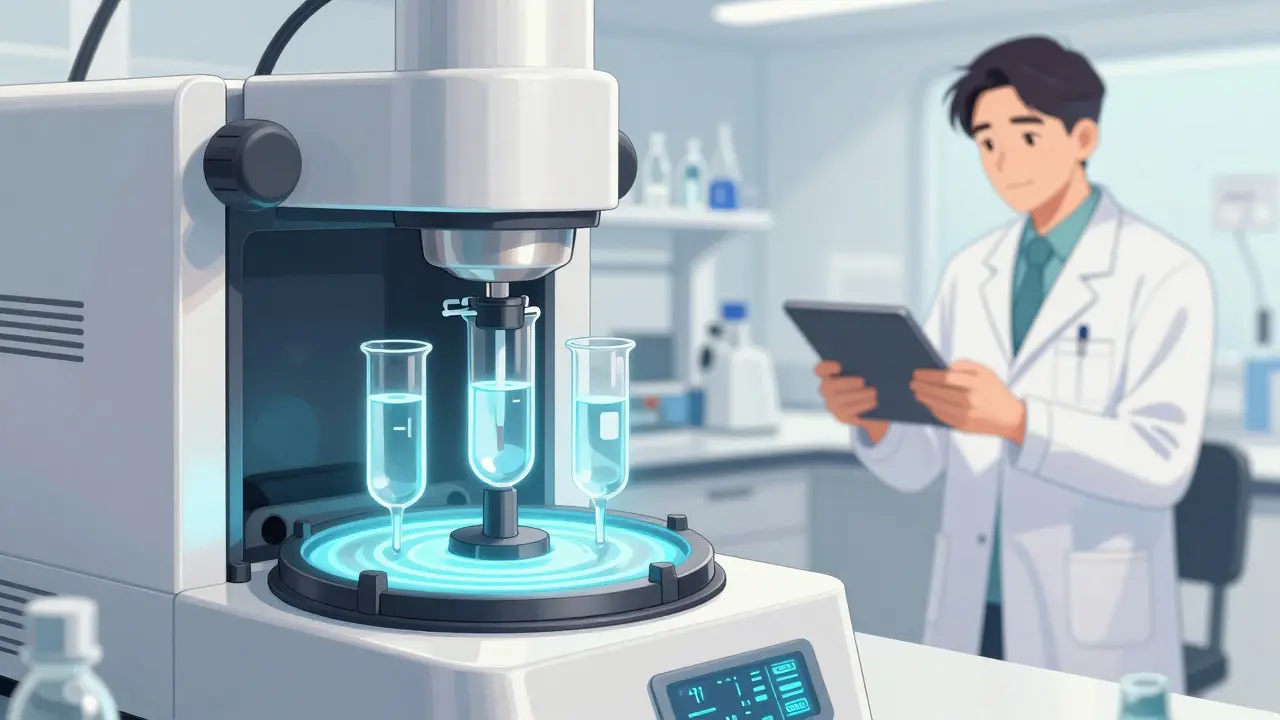
Imagine you have spent months developing a generic version of a blockbuster pill. You are ready to prove it works just as well as the original brand-name drug. Usually, this means recruiting dozens of volunteers, feeding them the pills, and drawing their blood every few hours to measure absorption. It is expensive, time-consuming, and frankly, a bit invasive. But what if you could skip that entire clinical trial? What if a machine in your lab could do the heavy lifting instead?
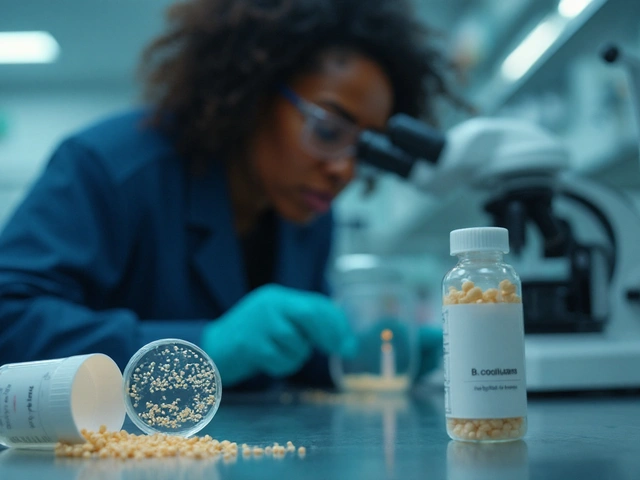
This is exactly what happens when you request a bioequivalence waiver, often called a "biowaiver." Under specific conditions, the U.S. Food and Drug Administration (FDA) allows drug sponsors to forgo human studies entirely. Instead of measuring how the drug moves through a person's body (in vivo), you demonstrate equivalence using test tubes and dissolution machines (in vitro). This isn't about cutting corners; it is about scientific efficiency. For certain types of drugs, dissolving the tablet in a beaker is actually a more accurate predictor of performance than watching it move through a chaotic human digestive system.
The Science Behind Skipping Human Trials
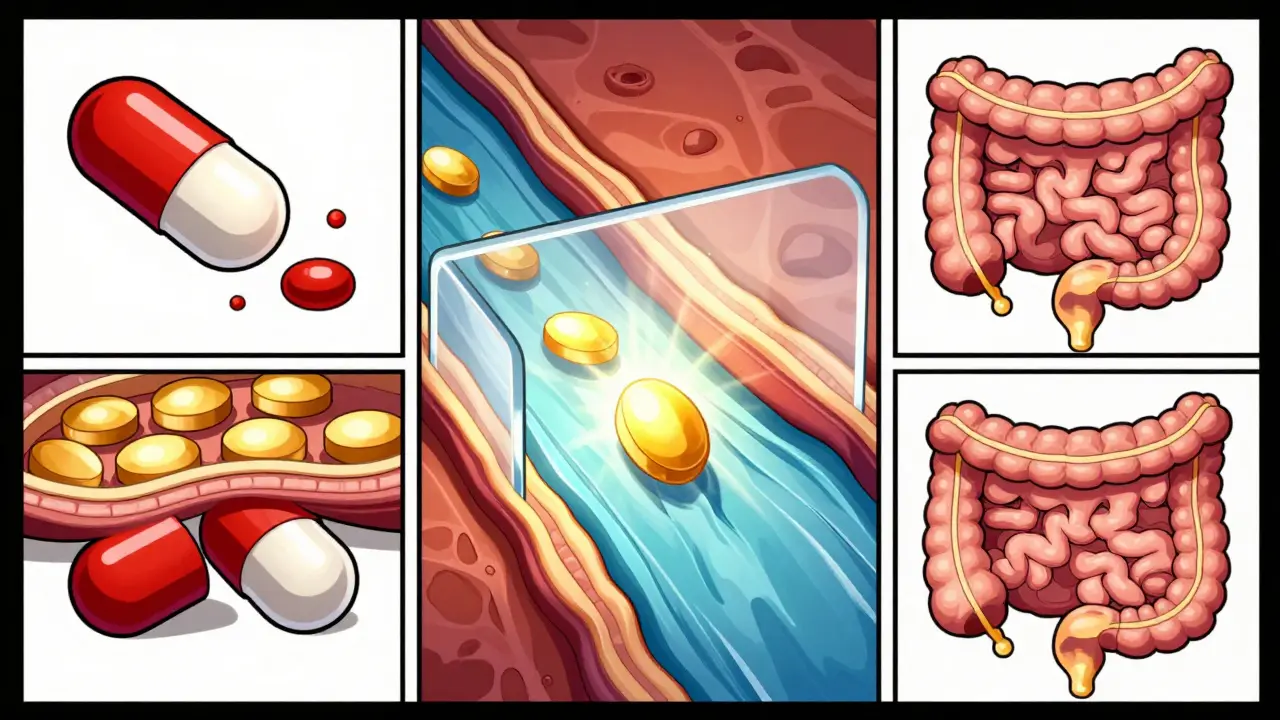
To understand why the FDA trusts a machine over a human in these cases, we need to look at the Biopharmaceutics Classification System (BCS). Think of the BCS as a filing cabinet for drugs based on two simple traits: solubility and permeability. Solubility asks, "Does the drug dissolve easily in water?" Permeability asks, "Can the drug pass through the gut wall into the bloodstream?"
Most biowaivers apply to drugs classified as BCS Class I. These are high-solubility, high-permeability drugs. Because they dissolve instantly and absorb easily, the rate-limiting step for the drug getting into your system is simply how fast the tablet breaks apart. If your generic tablet dissolves at the same speed as the brand-name tablet in a standardized buffer solution, it will behave the same way in a human body. There is no biological bottleneck to hide behind.
There is also a pathway for BCS Class III drugs. These have high solubility but low permeability. Here, the absorption is limited by how well the drug crosses the gut wall, not how fast it dissolves. However, if you can prove that the excipients (the inactive ingredients like binders or fillers) are identical in type and proportion to the reference product, and that the drug’s absorption doesn’t depend on where it sits in the gut, the FDA may grant a waiver. The logic is that since the formulation is chemically identical, the biological outcome will be too.
Who Qualifies for a Biowaiver?
You cannot just ask for a waiver because you want to save money. The regulatory framework, specifically outlined in 21 CFR 320.22 and 21 CFR 320.24(a), sets strict boundaries. The current finalized guidance from the Center for Drug Evaluation and Research (CDER), issued in December 2017, limits biowaivers primarily to immediate-release solid oral dosage forms. That means standard tablets and capsules that release their drug payload all at once.
If you are working with modified-release formulations-like extended-release pellets or transdermal patches-the biowaiver door is firmly shut. These complex delivery systems rely on precise mechanical or chemical controls to release drugs over hours or days. A simple dissolution test rarely captures the nuance of those mechanisms accurately enough to replace human data.
Narrow therapeutic index (NTI) drugs are another major exclusion zone. NTI drugs, such as warfarin or levothyroxine, have a very small window between a dose that works and a dose that harms the patient. Because of this risk, the FDA generally requires rigorous in vivo proof for almost all NTI products, with only a handful of exceptions for specific antiepileptic drugs where extensive historical data exists.
| BCS Class | Solubility | Permeability | Biowaiver Status |
|---|---|---|---|
| Class I | High | High | Eligible (Standard pathway) |
| Class II | Low | High | Not Eligible (Dissolution is rate-limiting but unpredictable) |
| Class III | High | Low | Conditionally Eligible (Requires identical excipients) |
| Class IV | Low | Low | Not Eligible |
The Cost-Benefit Analysis
Why do companies bother with the complex paperwork for a biowaiver? The answer is usually dollars and time. A conventional bioequivalence study involving healthy volunteers costs between $250,000 and $500,000 per product. It takes six to twelve months to recruit subjects, run the trials, analyze the blood samples, and write the report. For a small generic manufacturer, that price tag can eat up the entire profit margin of a single drug launch.
In contrast, an in vitro dissolution study costs a fraction of that amount. While you still need to validate your testing method and ensure your equipment is calibrated, the expenses are minimal compared to clinical trials. More importantly, you can get results in weeks rather than months. Industry analysis suggests that utilizing biowaivers accelerates generic drug approvals by an average of 7.3 months per product. Across the industry, this translates to billions of dollars in earlier market access.
However, there is a catch. If your biowaiver application is rejected, you have to start over with an in vivo study anyway. This creates a strategic dilemma. Do you take the shortcut and risk rejection, or do you play it safe with the traditional human trial from day one? Data from the FDA shows that when complete scientific justification is provided, the approval rate for biowaivers sits around 78%. But that 22% rejection rate represents lost time and sunk costs.
How to Build a Winning Biowaiver Application
Getting a biowaiver approved is not about filling out a form; it is about building a scientific argument. The FDA wants to see that your in vitro data is the "most accurate, sensitive, and reproducible" approach available. Here is how successful applicants structure their evidence:
- Demonstrate High Solubility: You must show that the highest dose strength of the drug dissolves completely in less than 250 mL of aqueous media across the pH range of 1.0 to 6.8. This proves the drug won't hit a solubility limit in the stomach or intestines.
- Prove High Permeability: For Class I drugs, you need evidence that at least 90% of the administered dose reaches systemic circulation. This usually comes from published literature or previous clinical data.
- Run Discriminatory Dissolution Profiles: You cannot just use one buffer solution. The FDA typically requires comparative dissolution profiles in at least three media: pH 1.2 (simulating stomach acid), pH 4.5, and pH 6.8 (simulating intestinal fluid). The goal is to show that your generic product dissolves at the same rate as the reference listed drug (RLD).
- Meet the f2 Similarity Factor: The statistical metric used to compare dissolution curves is the similarity factor, known as f2. An f2 value of 50 or higher indicates that the dissolution profiles are similar. If your f2 drops below 50, the FDA will likely reject the waiver because the products behave differently in solution.
A common pitfall is using a dissolution method that is too gentle. If both the brand-name and generic tablets dissolve 100% in five minutes regardless of formulation differences, the test lacks discriminatory power. The FDA needs to see a method that would detect a difference if one existed. Developing this "physiologically relevant" method often takes two to three months of validation work before you even submit the application.

Navigating Regulatory Hurdles
Even with perfect science, the bureaucratic path can be tricky. One of the biggest advantages you can give yourself is early engagement. The FDA recommends using the Pre-ANDA program to hold a meeting with reviewers before you submit your full application. Internal FDA data shows that products with pre-submission meetings had a 22% higher approval rate for biowaiver requests. Why? Because regulators can tell you upfront if your proposed dissolution method meets their standards. It saves you from spending months generating data that they might later reject.
Another challenge is consistency. Some industry surveys suggest that criteria application can vary between different review divisions within the FDA. A biowaiver request that gets approved for one BCS Class III drug might face extra scrutiny for another, even if the science looks similar. To mitigate this, lean heavily on precedent. Cite previous biowaivers granted for similar molecules. Show the reviewer that your case fits into an established pattern of accepted science.
For BCS Class III drugs, the bar is higher. You must provide detailed information on the excipients. If you change a binder from starch to microcrystalline cellulose, even if both are common, you may lose the waiver eligibility because the permeability-enhancing properties of the matrix could shift. The rule of thumb is: keep the inactive ingredients identical unless you have robust data proving the change has no impact on absorption.
The Future of Biowaivers
The landscape is shifting. The FDA’s strategic plan for 2023-2027 includes a goal to expand scientifically justified biowaiver opportunities by 25%. They are investing heavily in refining the BCS criteria and developing better in vitro-in vivo correlation (IVIVC) models. We are already seeing draft guidances exploring biowaivers for more complex products, including some narrow therapeutic index drugs.
However, experts warn against expecting a free-for-all. Dr. Jennifer Dressman, a prominent pharmacokinetics researcher, has noted that while the BCS framework is strong, it remains restrictive. Complex generics, such as those with local action in the gut or novel delivery technologies, still fall outside the scope of current waivers. For now, the biowaiver remains a powerful tool for straightforward, immediate-release solids-but not a magic bullet for every generic development project.
What is the primary purpose of a bioequivalence waiver?
The primary purpose is to reduce unnecessary human testing while maintaining scientific rigor. It allows sponsors to demonstrate therapeutic equivalence using in vitro dissolution data instead of costly and time-consuming in vivo clinical trials, provided the drug meets specific BCS criteria.
Which drugs are eligible for a biowaiver?
Biowaivers are primarily available for immediate-release solid oral dosage forms classified as BCS Class I (high solubility, high permeability) and sometimes BCS Class III (high solubility, low permeability), provided the excipients are identical. Modified-release products and most narrow therapeutic index drugs are generally excluded.
What is the f2 similarity factor?
The f2 similarity factor is a statistical metric used to compare the dissolution profiles of two products. An f2 value of 50 or greater indicates that the dissolution rates are sufficiently similar to support a biowaiver request.
How much money can a company save with a biowaiver?
A standard in vivo bioequivalence study costs between $250,000 and $500,000. By using a biowaiver, companies avoid these clinical trial costs entirely, saving significant capital and accelerating time-to-market by several months.
Why are modified-release drugs excluded from biowaivers?
Modified-release formulations rely on complex mechanisms to control drug release over time. Simple in vitro dissolution tests often fail to capture the nuances of these mechanisms accurately enough to predict in vivo performance, making human studies necessary for safety assurance.


Frances Kendall May 7, 2026
It is fascinating how much trust we place in a machine to replicate the chaos of human digestion. The BCS classification system is elegant, but it feels like we are oversimplifying biology into neat little boxes. High solubility and high permeability sound straightforward until you consider individual variations in gut flora or pH levels that aren't accounted for in a standardized buffer. I wonder if the FDA is underestimating the 'noise' in human systems compared to the 'signal' in a lab beaker.
Derick Garcia May 8, 2026
The notion that a dissolution test can supersede clinical data is an affront to scientific rigor. One does not simply bypass the gold standard of human trials because it is inconvenient or costly. This is regulatory capture at its finest, prioritizing corporate margins over patient safety. The f2 similarity factor is a statistical convenience, not a biological guarantee. We are gambling with health outcomes for the sake of efficiency.
Dat Alexander May 8, 2026
i think people forget that generic drugs save lives by making them affordable. if every single pill needed a full clinical trial the cost would skyrocket and nobody could afford their meds. the science behind bcs class i is solid enough for most cases. its not about cutting corners its about knowing when the corner doesn't matter
swetha r May 8, 2026
Why do we keep pretending these waivers are safe? It’s all about the big pharma profits hiding behind 'scientific efficiency.' They don’t want to test on humans because they know something is wrong. The FDA is just a puppet for the industry. You really think a machine knows better than your own body? Wake up sheeple. They are poisoning us slowly and calling it progress.
Brian LeClercq May 10, 2026
This entire premise is flawed. The idea that 'dissolving in a beaker' predicts performance in a chaotic digestive tract is laughable. Human physiology is not a standardized buffer solution. By allowing these waivers, the FDA is essentially admitting that they care more about speed than accuracy. It is a disgrace to the medical profession. We should be demanding more rigorous testing, not less, especially when dealing with substances that enter our bloodstream.
Natali Brown May 11, 2026
I actually find this really reassuring, honestly! : ) It makes so much sense that for simple drugs, which dissolve quickly anyway, we wouldn't need to put healthy volunteers through weeks of blood draws just to prove what chemistry already tells us. It feels like a win-win situation where science meets practicality. Plus, saving money means cheaper generics for everyone, which is always a good thing in my book. I hope they expand this to more types of medications soon!
Abhimanyu Pandey May 11, 2026
You are missing the point entirely!! The excipients are the key here!!! Most people ignore the inactive ingredients but they can change everything!!! If the binder changes the permeability slightly, the waiver fails!!! But who checks?? Nobody!!! It is a loophole waiting to happen!!! And the FDA knows it!!! They are turning a blind eye to the potential risks!!!
Kelsey Thomas May 13, 2026
Great breakdown of the BCS classes! 🧪✨ It's interesting how Class III drugs have those extra conditions. I had no idea that changing a binder from starch to cellulose could disqualify you from a waiver. That seems super strict but also makes sense if permeability is the bottleneck. Does anyone else feel like the line between 'eligible' and 'not eligible' is pretty thin? 😅
Raymond Roberts May 14, 2026
its kinda crazy to think about how much time this saves. seven months is a long time for a drug to hit the market. but i get worried about the rejection rate. twenty two percent is high. if you guess wrong you lose even more time. maybe companies should just do the human trials to be safe? or maybe the pre-ANDA meetings are the real secret weapon here. hard to say without being in the industry myself tho
Nisha Koshti May 15, 2026
why bother reading all this?? just take the pill and see what happens lol. the fda is corrupt anyway. they approve whatever pays the bills. biowaivers are just a fancy word for skipping steps. dont trust them. : (
Sarah Kwiatkowski May 15, 2026
I appreciate the detailed explanation of the f2 similarity factor. It clarifies why some applications fail despite looking similar on paper. The requirement for discriminatory power in dissolution methods is crucial; otherwise, the test is meaningless. I am curious about the future expansion mentioned in the conclusion. Do you think we will see biowaivers for modified-release formulations soon, or is that too far-fetched given the current technology?