

Writing a prescription might seem like a simple administrative task, but the choice between a brand name and a generic version can either save a healthcare system billions or, in rare cases, destabilize a patient's condition. For most clinicians, generic prescribing-using the active ingredient's name rather than the manufacturer's trademark-is the gold standard. It keeps costs down and improves patient access to life-saving meds without sacrificing quality. But when is it actually risky to switch? And how do you handle a patient who is convinced that the "cheaper" version doesn't work?
The Core of Generic Prescribing
At its heart, generic prescribing is about using the International Non-proprietary Name (INN), which is a unique, globally recognized name assigned to a pharmaceutical substance by the World Health Organization. Instead of writing "Lipitor," a doctor writes "atorvastatin." This simple shift ensures that the pharmacy dispenses the most cost-effective version of the drug that meets strict regulatory standards.
To be approved as a generic, a drug must prove bioequivalence. This means the generic version must deliver the same amount of active ingredient into the bloodstream at a similar rate as the brand-name version. In the US, the FDA requires generics to fall within an 80-125% bioequivalence range compared to the reference drug. Because they share the same active ingredient, strength, and dosage form, the clinical outcome is virtually identical for the vast majority of patients.
Why Generic Prescribing is the Professional Default
The move toward generics isn't just about saving money; it's about systemic efficiency and patient safety. When you prescribe generically, you are essentially removing the brand-name "noise" from the equation. This has several concrete benefits:
- Lower Costs: Generic drugs typically cost 80-85% less than branded ones. For example, a monthly supply of generic omeprazole might cost £1.80, while the branded version could soar to £15.
- Better Adherence: When patients pay less out-of-pocket, they are more likely to stick to their medication. Studies show an 8-12% improvement in adherence when switching to generics, which directly leads to fewer hospitalizations for chronic diseases.
- Reduced Errors: Using one standard name for one drug reduces the risk of confusion. According to data from the Institute for Safe Medication Practices, generic prescribing can cut medication errors by as much as 50% because clinicians don't have to memorize dozens of different brand names for the same molecule.
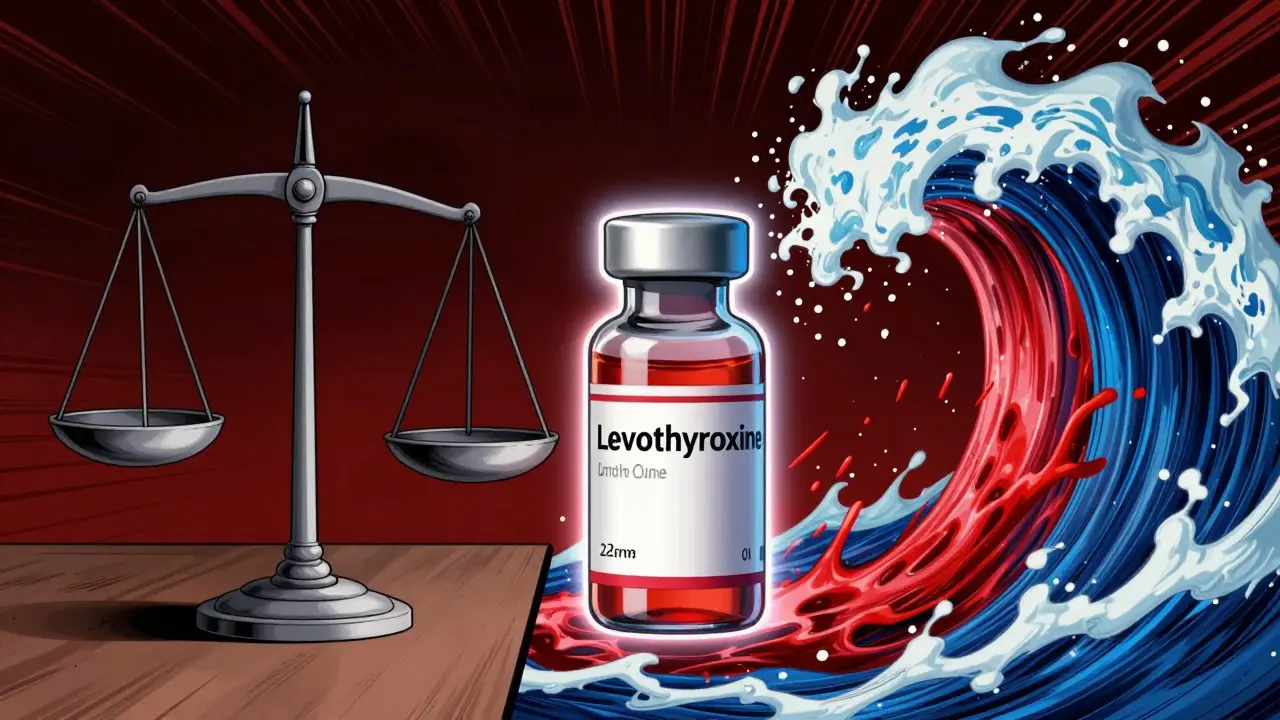
When to Avoid Generics: The Essential Exceptions
While the goal is to hit a 90%+ generic prescribing rate, there are critical times when you must specify the brand name. The British National Formulary (BNF) categorizes these exceptions into three main groups to help prescribers make the right call.
| Category | Reason for Brand Prescribing | Examples |
|---|---|---|
| Narrow Therapeutic Index (NTI) | Small changes in drug levels can cause toxicity or treatment failure. | Warfarin, Digoxin, Levothyroxine, Phenytoin |
| Modified-Release Formulations | Different manufacturers use different release kinetics, affecting how the drug enters the system. | Certain Theophylline preparations |
| Biological Products | Complex structures mean biosimilars aren't identical; switching can cause immune reactions. | Monoclonal antibodies, Insulin (some types) |
For NTI drugs like warfarin, switching brands can cause fluctuations in the International Normalized Ratio (INR), requiring intense monitoring. Similarly, the MHRA warns that biologics should be prescribed by brand to prevent automatic substitution of biosimilars, which could introduce immunogenicity risks.
Handling the "Nocebo Effect" and Patient Skepticism
One of the hardest parts of generic prescribing isn't the science-it's the psychology. Many patients believe that if a drug is cheaper, it's less effective. This is often a manifestation of the nocebo effect, where a patient's negative expectations cause them to experience actual side effects or a perceived lack of efficacy.
Research suggests that a simple conversation can flip this script. When a doctor explains the rationale behind the switch, patient acceptance jumps from 67% to 89%. Instead of saying "it's cheaper," try a more empowering approach: "This generic version has the exact same active ingredient as the brand you used before. It's been rigorously tested to work the same way, and it will save you money every month without changing how your treatment works."

Practical Implementation for the Clinic
If you're looking to optimize your prescribing habits, the 2023 Generic Prescribing Toolkit suggests a structured approach. You don't have to change everything overnight; a 2-to-3 month transition period is usually enough to reach high generic rates.
- Audit Your Patterns: Use a prescribing dashboard to see where you are still using brand names unnecessarily.
- Set System Defaults: If you use an electronic prescribing system, set the default to the generic name. This removes the manual effort of choosing the generic option every time.
- Identify High-Risk Patients: Flag patients on NTI drugs or those with a history of breakthrough seizures on generic antiepileptics to ensure they stay on a consistent brand.
- Monitor and Adjust: Keep a close eye on patients during the first few weeks of a switch, especially for thyroid or mood-stabilizing medications, to ensure stability.
The Future: Intelligent Substitution
We are moving toward a period of "intelligent substitution." Rather than a blanket rule for all patients, clinicians are starting to use real-world evidence to decide who can safely switch and who needs brand continuity. As complex generics-like specialized inhalers and topical creams-enter the market, the level of scrutiny will increase. While small-molecule drugs are largely solved, the challenge for the next few years will be the rise of biosimilars in oncology and rheumatology, where the manufacturing process is far more sensitive than a simple chemical pill.
Is a generic drug actually the same as a brand-name drug?
Yes, in terms of the active pharmaceutical ingredient. Regulatory bodies like the FDA and EMA require generic drugs to be bioequivalent, meaning they provide the same amount of active ingredient to the body at the same rate. While inactive ingredients (fillers or dyes) may differ, the clinical effect is the same for the vast majority of patients.
Why are some drugs, like levothyroxine, prescribed by brand?
Levothyroxine is a Narrow Therapeutic Index (NTI) drug. This means that even a very small difference in the dose or the way the drug is absorbed can lead to significant changes in thyroid hormone levels, potentially causing hyperthyroidism or hypothyroidism. To ensure absolute consistency, doctors often stick to one specific brand.
What is the difference between a generic and a biosimilar?
Generic drugs are exact chemical copies of small-molecule drugs. Biosimilars, however, are derived from living organisms and are much more complex. Because they are so large and intricate, they cannot be "exact" copies, but they are "highly similar" and have no clinically meaningful differences in safety or efficacy. Because of this complexity, they are handled with more caution than simple generics.
Can switching generics cause a relapse in epilepsy?
In some cases, yes. Meta-analyses have shown slightly higher seizure recurrence rates when patients are switched between different generic manufacturers of antiepileptic drugs. This is why the American Epilepsy Society recommends avoiding multiple generic switches once a patient is stabilized.
How much money does generic prescribing actually save?
The savings are massive. On average, generic versions are 80-85% cheaper than the original brand. In the UK, the NHS estimates that increasing generic substitution could save over £1.3 billion annually, allowing resources to be shifted toward other critical areas of care.





Rim Linda April 12, 2026
My doctor switched my meds to a generic and I swear I felt it in my soul it just wasn't the same 😭 like why are we playing games with our health just to save a few bucks for the insurance company!! 😱
Clint Humphreys April 13, 2026
It is all very friendly and professional on the surface but we really need to analyze who is actually benefiting from this 80-125% bioequivalence window because it seems awfully convenient that the government just lets them slide with a 25% difference in effectiveness while the big pharma giants just pivot their profits to the next patented miracle drug and leave us with the scraps of a chemical formula that might or might not actually be the same thing depending on which factory in a different timezone produced the batch this month.
Haley Moore April 15, 2026
Ugh the way this is written is so basic 🙄 honestly who even cares about the BNF categories when you can just tell your doctor you're too posh for the generic version and they'll probably just cave anyway 💅✨
Tabatha Pugh April 15, 2026
The bioequivalence range is a standard regulatory benchmark that ignores the impact of excipients on individual absorption rates in the gut.
Catherine Mailum April 15, 2026
oh wow i'm just so heartbroken that people think a tiny little pill change is a tragedy lol like truly my heart bleeds for the struggle of saving money on meds 🙄
Shaylia Helland April 17, 2026
i just think it's interesting how different cultures view the concept of brand loyalty in medicine because in some places people really trust the original more while others just want the cheapest thing that works and honestly it's kind of a beautiful reflection of how we value health and wealth in different societies across the globe without even realizing we're just reacting to the labels on the bottle
Princess Busaco April 18, 2026
The sheer audacity of suggesting a simple conversation can cure the nocebo effect is frankly laughable and demonstrates a complete lack of understanding regarding the psychological depth of patient trauma when it comes to medical gaslighting because if you actually looked at the systemic failures of healthcare you would see that patients aren't just being "skeptical" but are reacting to a lifetime of being told their symptoms aren't real while the pharmaceutical industry continues to prioritize profit margins over the nuanced biological reality of how a specific filler in a generic pill can trigger a systemic inflammatory response in a sensitive individual making the entire generic movement a gamble for the vulnerable.
melissa mac April 19, 2026
It's really helpful to remember that every patient's journey is unique and while generics are a great tool for accessibility we should always support the clinicians in making the best choice for the individual person.