
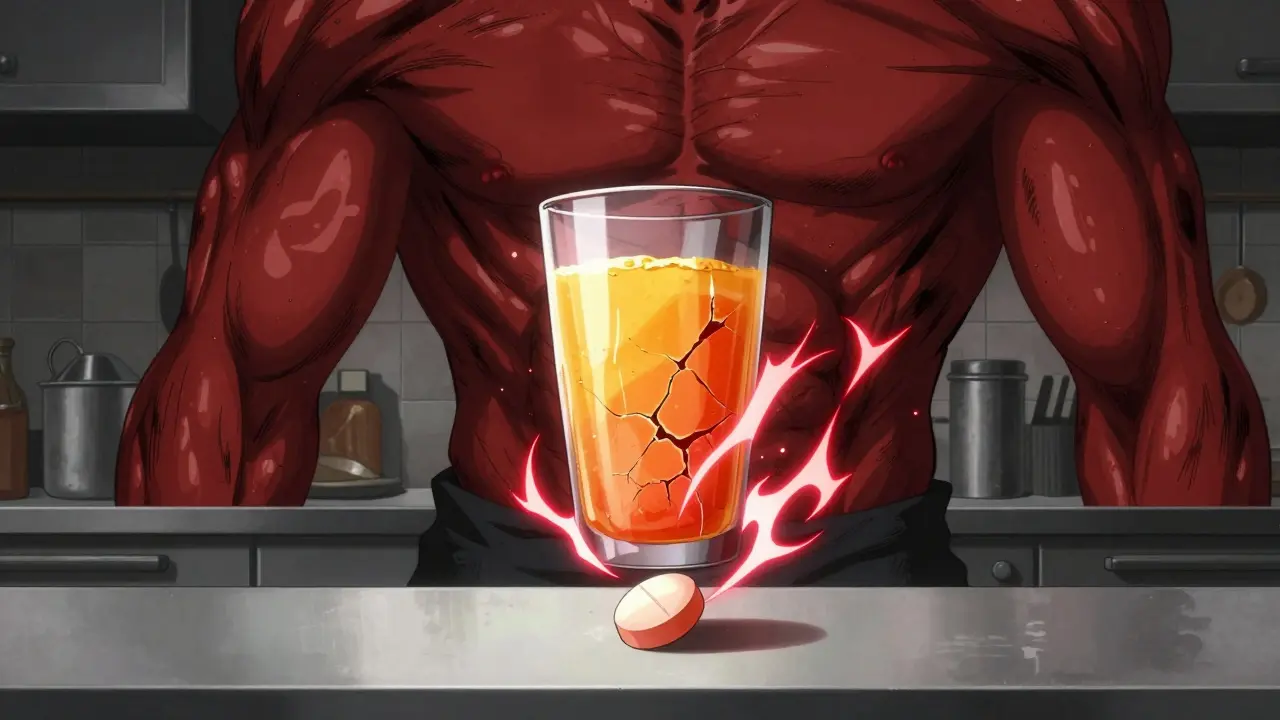
Every year, thousands of people end up in hospitals not because their illness got worse, but because what they ate, drank, or took as a supplement interfered with their medicine. It’s not rare. It’s not an accident waiting to happen-it’s happening right now, often without anyone realizing it. A glass of grapefruit juice with your statin. A daily garlic pill alongside your blood thinner. St. John’s wort mixed with your antidepressant. These aren’t myths. They’re documented, dangerous, and preventable.
Why Your Dinner Could Be Sabotaging Your Prescription
Food isn’t just fuel. For some medications, it’s a silent saboteur. Grapefruit juice is the classic example, but it’s far from the only one. The furanocoumarins in grapefruit block an enzyme in your gut called CYP3A4, which normally breaks down drugs before they enter your bloodstream. When that enzyme is shut down, your body absorbs way more of the drug than intended. With simvastatin, a common cholesterol-lowering pill, that means levels can spike up to 15 times higher than normal. That’s not just a side effect-it’s a direct path to rhabdomyolysis, a condition where muscle tissue breaks down and can lead to kidney failure. Warfarin, a blood thinner, has its own food enemy: vitamin K. Leafy greens like spinach, kale, and broccoli are packed with it. Vitamin K helps your blood clot. Warfarin stops it from clotting too much. If you suddenly eat a big salad every day, you’re undoing the drug’s effect. A 2018 study showed that just 150 grams of cooked spinach can cut warfarin’s effectiveness by 30-40% in under 24 hours. That’s enough to raise your risk of stroke or blood clots. The fix? Not to avoid greens. To keep your intake consistent. Stick to about 90-120 micrograms of vitamin K daily. Your doctor can adjust your dose if your diet changes.Supplements Are Not Always Safe-Even If They’re Natural
Just because something comes from a plant doesn’t mean it’s harmless. St. John’s wort, often taken for mild depression, is one of the most dangerous supplements out there. It turns on a liver enzyme called CYP3A4, which speeds up how fast your body gets rid of other drugs. That means medications like cyclosporine (used after organ transplants), oral contraceptives, and even some HIV drugs can become useless. Studies show cyclosporine levels can drop by 50-70% within two weeks of taking St. John’s wort. For someone who needs that drug to keep their new kidney alive, that’s life-threatening. Ginkgo biloba, promoted for memory and circulation, thins the blood. When taken with warfarin, aspirin, or even ibuprofen, it can double your bleeding risk. A 2021 review found ginkgo can prolong bleeding time by 30-50%. Garlic supplements? Same story. Over 30 case reports link garlic with dangerous bleeding in people on blood thinners. Even coenzyme Q10, often taken for heart health or energy, can reduce the effect of statins. And then there’s red yeast rice-it’s basically a natural version of lovastatin. Taking it with a prescription statin is like doubling your dose without your doctor knowing. That raises your risk of muscle damage by more than twice.The Hidden Danger: You’re Not Telling Your Doctor
Here’s the biggest problem: most people don’t mention supplements to their doctors. A 2022 editorial in JAMA Internal Medicine found that 70% of patients never say they’re taking herbs, vitamins, or minerals. Why? They think supplements are safe. They don’t consider them “medicines.” Or they’re afraid their doctor will judge them. But doctors need to know. A 2022 study in Research in Social and Administrative Pharmacy showed that when pharmacists reviewed a patient’s full list of medications-including supplements-adverse drug events dropped by 22%. That’s not a small number. That’s life-saving. Your pharmacist can spot a conflict your doctor might miss, especially if the interaction isn’t in the drug’s official leaflet. And it’s not just about pills. Herbal teas, protein powders, and even energy drinks can interfere. Green tea, for example, contains vitamin K and can mess with warfarin. Cranberry juice? It’s been linked to over 28 cases of dangerous bleeding in people on blood thinners.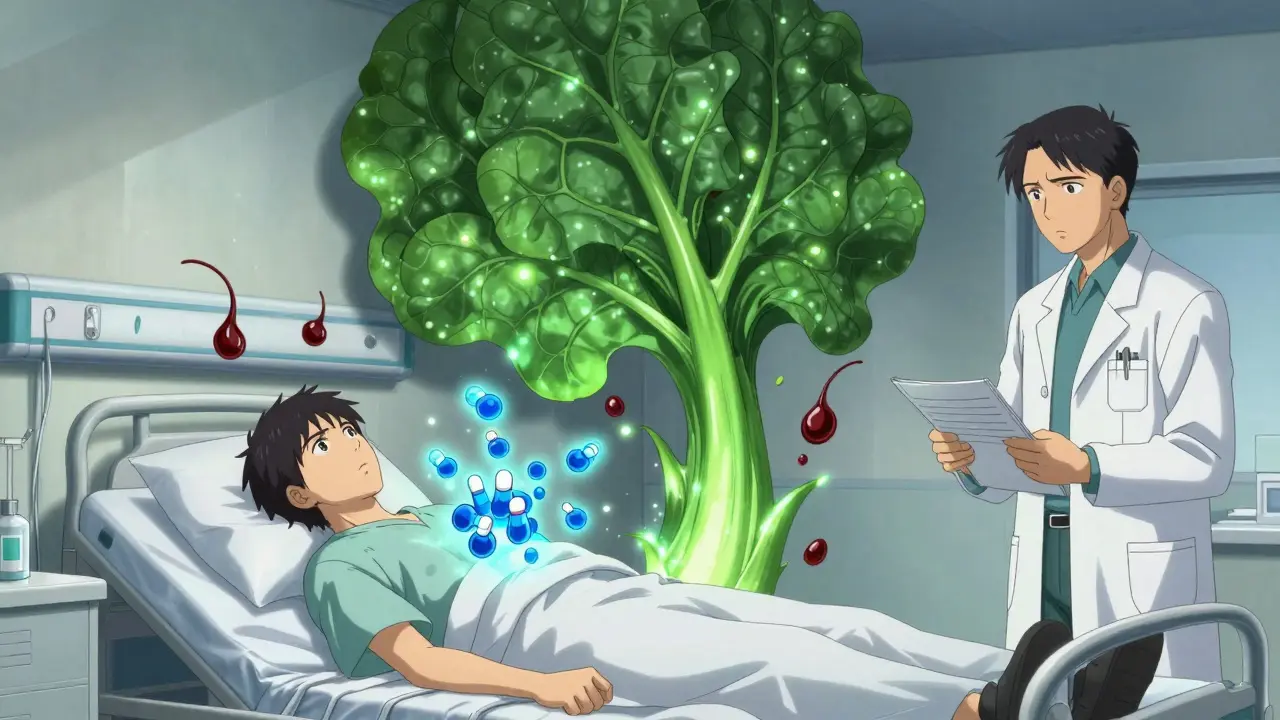
How to Protect Yourself
You don’t need to stop taking supplements. You just need to be smart. Start with this simple step: write down everything you take. Not just prescriptions. Include vitamins, herbal teas, protein powders, and even over-the-counter painkillers. Keep this list updated. Bring it to every appointment-even a quick check-up. Use trusted tools. The FDA’s website has a free drug interaction checker. MedlinePlus offers one too. Both cover thousands of medications and supplements. If you’re on warfarin, use the INR tracker app your doctor recommends. If you’re on statins, avoid grapefruit entirely. If you’re taking St. John’s wort, ask your doctor to check every other medication you’re on. Don’t assume it’s fine. The American Heart Association says patients who get clear, structured education about their meds and diet are 68% more likely to stay in the safe therapeutic range than those who don’t. That’s huge. It means learning how your food and pills work together isn’t just helpful-it’s essential.What’s Being Done-and What’s Still Missing
There’s progress. The FDA now recommends that new drugs be tested for interactions with common supplements. The National Institutes of Health spent $15.7 million in 2022 just to study these clashes. Electronic health records now include automated interaction alerts. One hospital system saw high-risk prescriptions drop by 37% after adding these checks. But the system is still broken. Only 29% of supplement labels warn about drug interactions. Prescription labels? 100%. That’s a gap. A dangerous one. The Government Accountability Office called it out in 2021. And while consumer awareness is rising-61% of supplement users now check for interactions, up from 43% in 2018-most still don’t know how to do it properly. Pharmacists are stepping in. In the UK and US, pharmacist-led medication reviews are becoming standard. These aren’t just quick chats. They’re full audits of everything you take. One study found they save $1,123 per patient per year by preventing hospital visits. That’s not just money. It’s time. It’s peace of mind. It’s avoiding a trip to the ER because you thought a herbal tea was harmless.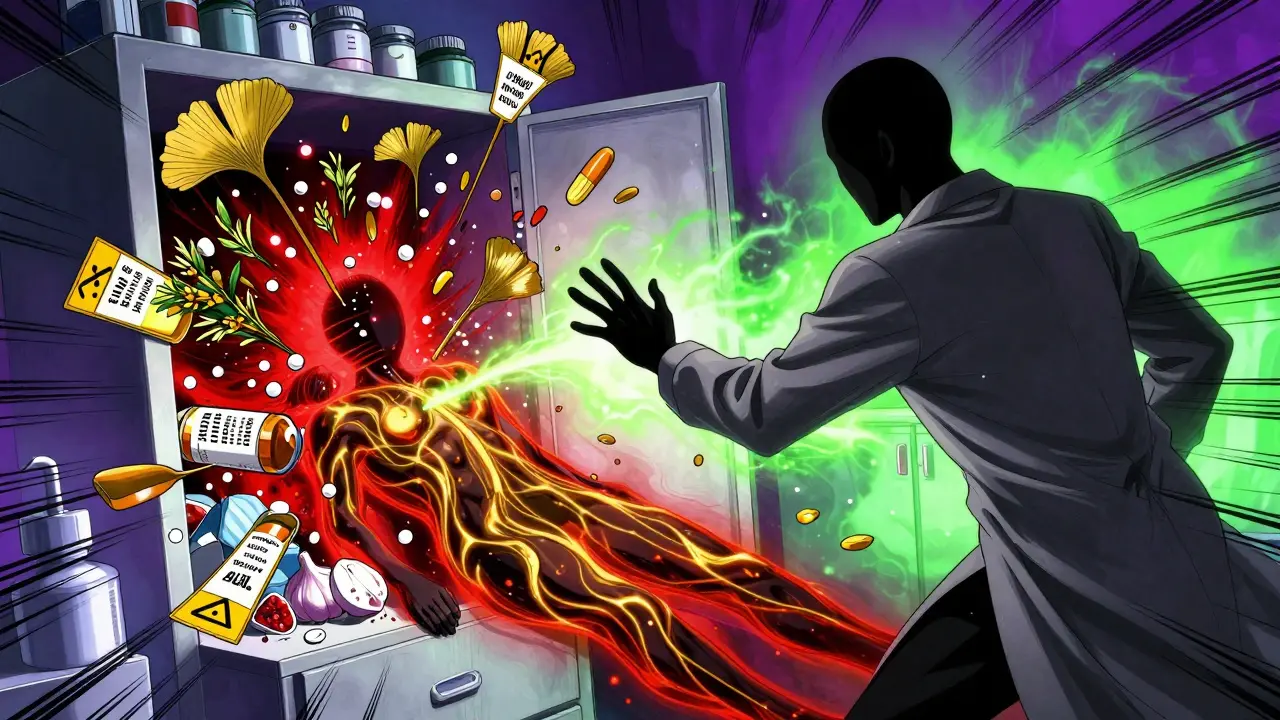



anthony epps December 15, 2025
I had no idea grapefruit juice could mess with statins like that. I drink it every morning with my pills. Guess I’m switching to orange juice now.
Thanks for the heads up.
Joanna Ebizie December 17, 2025
Of course people don’t tell their doctors about supplements. They think their ‘natural’ tea is safer than Big Pharma’s ‘chemicals.’
Newsflash: plants are chemicals too. And they don’t come with warning labels.
Stop being lazy and educate yourself.
Mike Smith December 19, 2025
This is one of the most important public health messages I’ve seen in years.
Medication safety isn’t just about dosage-it’s about context. What you eat, drink, or take as a ‘natural remedy’ directly affects how your medicine works.
Pharmacists are trained to catch these interactions. They’re not just pill dispensers-they’re your safety net.
If you’re on any chronic medication, schedule a med review with your pharmacist. It takes 10 minutes. It could save your life.
And yes, even if you think ‘it’s just a vitamin.’
Knowledge is power, but action is protection.
Start today. Write it down. Ask the question.
You’re not being paranoid-you’re being responsible.
Randolph Rickman December 19, 2025
Big shoutout to the author for breaking this down so clearly.
So many people think ‘natural’ = harmless. It’s not. St. John’s wort isn’t a tea-it’s a drug. Ginkgo isn’t a memory booster-it’s a blood thinner.
And the fact that supplement labels don’t have to warn you? That’s a scandal.
But here’s the good news: you have control.
Write down everything you take. Talk to your pharmacist. Use the FDA checker.
It’s not complicated. It’s just easy to ignore.
Don’t ignore it. Your future self will thank you.
sue spark December 20, 2025
I take garlic pills for my heart and warfarin and never thought about bleeding risk
Guess I need to talk to my doc
Thanks for the nudge
Tiffany Machelski December 22, 2025
so i heard green tea can mess with blood thinners too? i drink like 3 cups a day
is that bad? i thought it was healthy
also i think i spelled warfarin wrong
Josias Ariel Mahlangu December 22, 2025
These are the consequences of letting people treat their bodies like a science experiment.
Supplements are unregulated because people refuse to accept that medicine requires discipline.
Stop chasing ‘natural’ fixes and start trusting science.
And if you’re too lazy to read the label, don’t blame the system when you end up in the ER.
Andrew Sychev December 23, 2025
THEY KNOW. THEY ALL KNOW.
Big Pharma doesn’t want you to know about grapefruit and statins because if you did, you’d stop buying their $500 pills.
And supplements? They’re banned in Europe because they’re dangerous.
But here? We let anyone sell ‘miracle’ herbs while doctors get paid to ignore them.
This isn’t negligence-it’s a conspiracy.
Wake up.
They’re selling you poison wrapped in a hemp bag.
Dan Padgett December 24, 2025
It’s funny how we fear chemicals in labs but trust plants that have been around for centuries.
But nature doesn’t care if you’re sick or healthy-it just reacts.
That’s why our ancestors used herbs with care, with rituals, with elders to guide them.
Now we grab a bottle off a shelf like it’s candy.
We’ve lost the wisdom, not the danger.
Maybe the answer isn’t just more warnings-it’s more respect.
Hadi Santoso December 25, 2025
As a guy who moved from Indonesia to the US, i was shocked how people here treat vitamins like candy.
Back home, we ask grandma before taking anything new.
She knows what herbs clash with what.
Maybe we need to bring back that kind of wisdom, not just apps and charts.
Also i think i misspelled ‘cyclosporine’ lol
Arun ana December 26, 2025
Just checked my meds and supplements-turns out I’m taking CoQ10 with simvastatin 😅
Thanks for the wake-up call!
Also I’m gonna start using the FDA checker now 🙏
PS: I love how this post didn’t scare me-it just made me smarter.
Kayleigh Campbell December 28, 2025
So let me get this straight-my ‘detox tea’ is basically a slow-motion poison cocktail with my blood pressure med?
And my ‘energy boost’ gummies are secretly sabotaging my antidepressant?
Wow. I feel like I’ve been living in a pharmaceutical horror movie.
Also, I’m definitely not drinking grapefruit juice anymore.
Not even for the aesthetic.
Kim Hines December 28, 2025
I’ve been on warfarin for 7 years. I eat the same amount of spinach every day. I never thought about how that mattered until now.
Thanks for making me feel less crazy.
Elizabeth Bauman December 29, 2025
Why is this even a problem? In America, we have the best doctors and the best regulations.
Anyone who gets hurt from a supplement is just irresponsible.
It’s not the system’s fault-it’s their fault for listening to influencers instead of real science.
And why are we even talking about herbal tea? We have real threats like illegal drugs and vaccines.
Focus on what matters.
Ron Williams December 31, 2025
Love how this post doesn’t shame people for taking supplements.
It just says: here’s the info, here’s what to do.
That’s the way to change behavior-not fear, not guilt, just clarity.
Also, pharmacists are unsung heroes.
Next time you’re at the counter, say ‘thank you’-they’re the ones catching the stuff doctors miss.