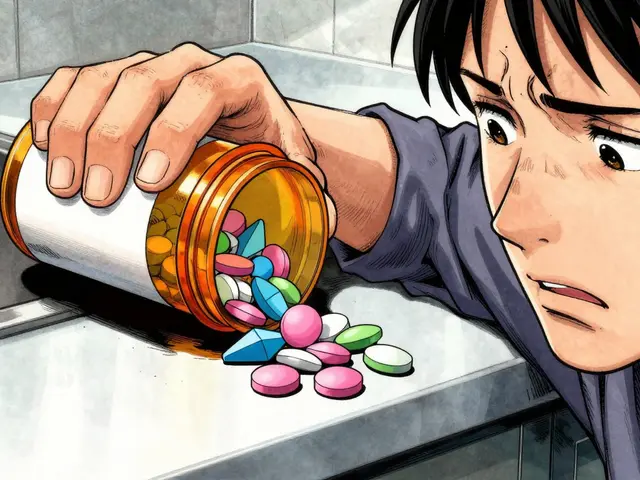

Imagine your heart is a delicate engine that runs on precise fuel. Digoxin is a cardiac glycoside derived from the foxglove plant that strengthens heart contractions and controls rhythm in patients with heart failure or atrial fibrillation. While it has saved lives since the 1930s, this medication has a narrow therapeutic window. That means the difference between a helpful dose and a toxic one is small. For many heart patients, the biggest risk isn't the drug itself, but what else they are taking alongside it. Understanding these digoxin interactions is not just good practice; it is a safety requirement.
You might be surprised to learn that common things like oatmeal, black licorice, or even certain antibiotics can change how your body handles this medicine. If you are taking digoxin, you need to know which combinations push your levels too high (causing nausea, vision changes, or dangerous arrhythmias) and which push them too low (making the drug ineffective). This guide breaks down exactly what to monitor, why it matters, and how to keep your heart safe without needing a chemistry degree.
The Narrow Therapeutic Window: Why Small Changes Matter
To understand why interactions are so critical, you first have to grasp the concept of a narrow therapeutic index. Most medications have a wide range where they work well without causing harm. Digoxin does not. The ideal serum concentration for most adults is between 0.5 and 0.9 ng/mL. Once levels exceed 2.0 ng/mL, the risk of toxicity spikes dramatically. Even within the "normal" range, some patients experience side effects if their electrolytes are off-balance.
According to data from the American Heart Association, digoxin use has declined by about 35% since 2000 because newer drugs are safer and easier to manage. However, it remains essential for specific groups, particularly those with reduced ejection fraction who still have symptoms despite other treatments. In Europe, roughly 15% of heart failure patients still rely on it. The key takeaway? If you are on this drug, you are likely there for a specific reason, and maintaining that balance is your job as much as your doctor's.
High-Risk Drug Combinations to Watch
Not all interactions are created equal. Some merely tweak absorption, while others can double your blood levels overnight. Here are the major categories that require active monitoring:
- Antiarrhythmics: Drugs like Dronedarone and Amiodarone significantly increase digoxin levels. Dronedarone can boost concentrations by more than 50%. If your cardiologist adds dronedarone to your regimen, expect a 50% reduction in your digoxin dose immediately, followed by close level checks for two weeks.
- Calcium Channel Blockers: Medications such as Verapamil and Diltiazem reduce how fast your kidneys clear digoxin. This can raise blood levels by 30-50%. Combined with digoxin, these drugs also slow your heart rate further, potentially dropping it below 40 beats per minute in severe cases.
- Diuretics: Water pills like furosemide or hydrochlorothiazide don't directly change digoxin levels, but they cause your body to lose potassium. Low potassium (hypokalemia) makes the heart much more sensitive to digoxin's effects, increasing the risk of toxicity even if your blood test looks normal.
- Antibiotics: Erythromycin and tetracycline alter the gut bacteria that help break down digoxin before it enters your bloodstream. This can increase absorbed levels by up to 40%. Quinidine is another culprit, reducing renal clearance and doubling serum concentrations.
Foods and Supplements That Sneak Up on You
We often focus on prescription drugs, but daily habits play a huge role. Your diet can act as an invisible interaction partner.
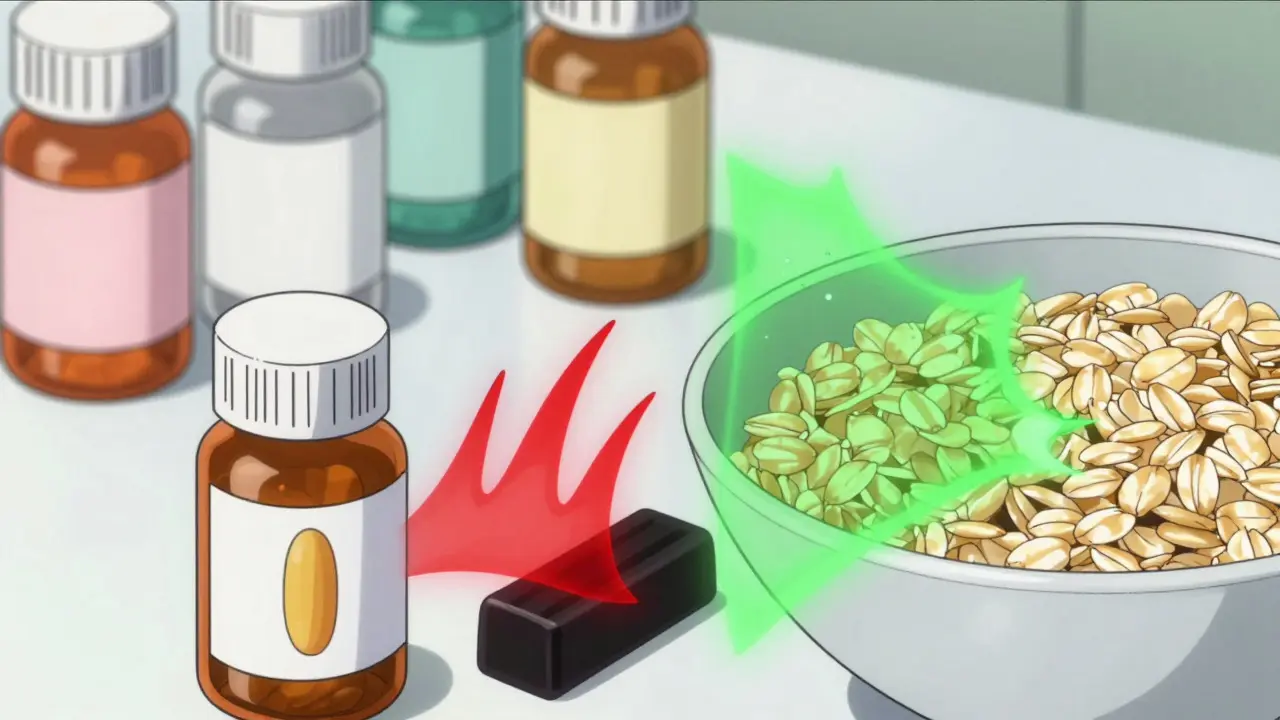
First, watch out for fiber. High-fiber foods like oatmeal, psyllium husk, and bran can bind to digoxin in the gut, reducing its absorption by 20-30%. If you eat a high-fiber breakfast, take your digoxin at least two hours before or after the meal. Don't let this stop you from eating healthy; just time it right.
Second, avoid black licorice entirely. It contains glycyrrhizin, which causes your body to excrete potassium rapidly. Since low potassium potentiates digoxin toxicity, this combination can trigger dangerous heart rhythms. It’s a rare treat for most, but if you love it, swap it for sugar-free alternatives that don’t contain glycyrrhizin.
Finally, be cautious with herbal supplements. St. John’s Wort induces P-glycoprotein, a protein that pumps digoxin out of cells, effectively lowering its effectiveness by 25%. Hawthorn, often used for heart health, can add to QT prolongation risks when combined with digoxin. Always tell your pharmacist about every supplement you take, no matter how natural it sounds.
Who Is Most At Risk?
Age and kidney function are the two biggest predictors of trouble. Patients over 75 are nearly three times more likely to experience toxicity than younger adults. Why? As we age, our kidneys become less efficient at filtering waste, including digoxin. Additionally, older adults often have lower body weight, meaning a standard dose results in higher blood concentrations.
If your creatinine clearance is below 50 mL/min, you are in a high-risk category. Your doctor should check your kidney function regularly. Another red flag is low body weight (under 60 kg). A smaller body mass means less space for the drug to distribute, leading to higher peak levels. These factors don't mean you can't take digoxin, but they do mean you need stricter monitoring protocols than someone with robust kidney function and average weight.

Monitoring Protocols: What To Expect
Effective management relies on consistent testing. Here is the standard schedule recommended by cardiology guidelines:
- Baseline Check: Before starting or changing doses, get a baseline serum digoxin level and electrolyte panel (specifically potassium and magnesium).
- Stable Phase: Once your dose is stable, check levels every 3-6 months. If you are elderly or have kidney issues, aim for every 3 months.
- Adjustment Phase: When adding or removing interacting medications, check levels weekly for the first two weeks. This is crucial for drugs like amiodarone or verapamil.
- Electrolytes: Monitor potassium monthly if you are on diuretics. Keep levels above 4.0 mmol/L if possible, as this provides a buffer against toxicity.
Many hospitals now use point-of-care testing, which gives results in minutes rather than days. This allows for faster adjustments. Ask your provider if this option is available, especially if you live far from a lab.
| Interaction Type | Example Agents | Effect on Digoxin | Action Required |
|---|---|---|---|
| Antiarrhythmics | Dronedarone, Amiodarone | Increases levels by 50-100% | Reduce digoxin dose by 50%; monitor weekly |
| Calcium Channel Blockers | Verapamil, Diltiazem | Increases levels by 30-50% | Monitor heart rate closely; adjust dose if bradycardia occurs |
| Diuretics | Furosemide, HCTZ | Causes hypokalemia (indirect toxicity) | Check potassium monthly; supplement if needed |
| High-Fiber Foods | Oatmeal, Psyllium | Decreases absorption by 20-30% | Separate intake by at least 2 hours |
| Herbal Supplements | St. John's Wort | Decreases levels by 25% | Avoid or consult pharmacist before use |
Recognizing Toxicity Early
Toxicity doesn't always announce itself with dramatic symptoms. Often, it starts subtly. Gastrointestinal issues are the most common early warning signs. Nausea affects about 68% of patients experiencing toxicity, followed by vomiting and diarrhea. If you suddenly feel queasy after eating normally, check your levels.
Visual disturbances are another classic sign. Blurred vision, yellow-green halos around lights, or increased sensitivity to light (photopsia) are unique to digoxin toxicity. If you notice these changes, don't wait for your next appointment. Call your care team. Cardiac symptoms like new palpitations, dizziness, or extreme fatigue also warrant immediate attention. Remember, toxicity can occur even at "therapeutic