Tramadol Seizure Risk Estimator
Select Patient Profile Factors
Risk Assessment
Recommendation:
Monitor standard usage. Ensure doses do not exceed 400mg/day.
Key Considerations:
- • Standard monitoring applies.
You might think of Tramadol as a relatively mild painkiller, something doctors prescribe when acetaminophen isn't enough but you aren't ready for heavy-duty opioids. It’s widely used, often seen as "safer" than other options. But there is a hidden danger lurking in its chemistry that many patients-and even some prescribers-overlook: the risk of seizures.
This isn't just about taking too much. While overdoses are dangerous, research shows that tramadol can trigger seizures even at therapeutic doses if certain conditions align. Understanding who is most vulnerable isn't just academic; it’s a matter of safety. If you or a loved one takes this medication, knowing your risk profile could prevent a life-altering emergency room visit.
The Unique Chemistry Behind the Risk
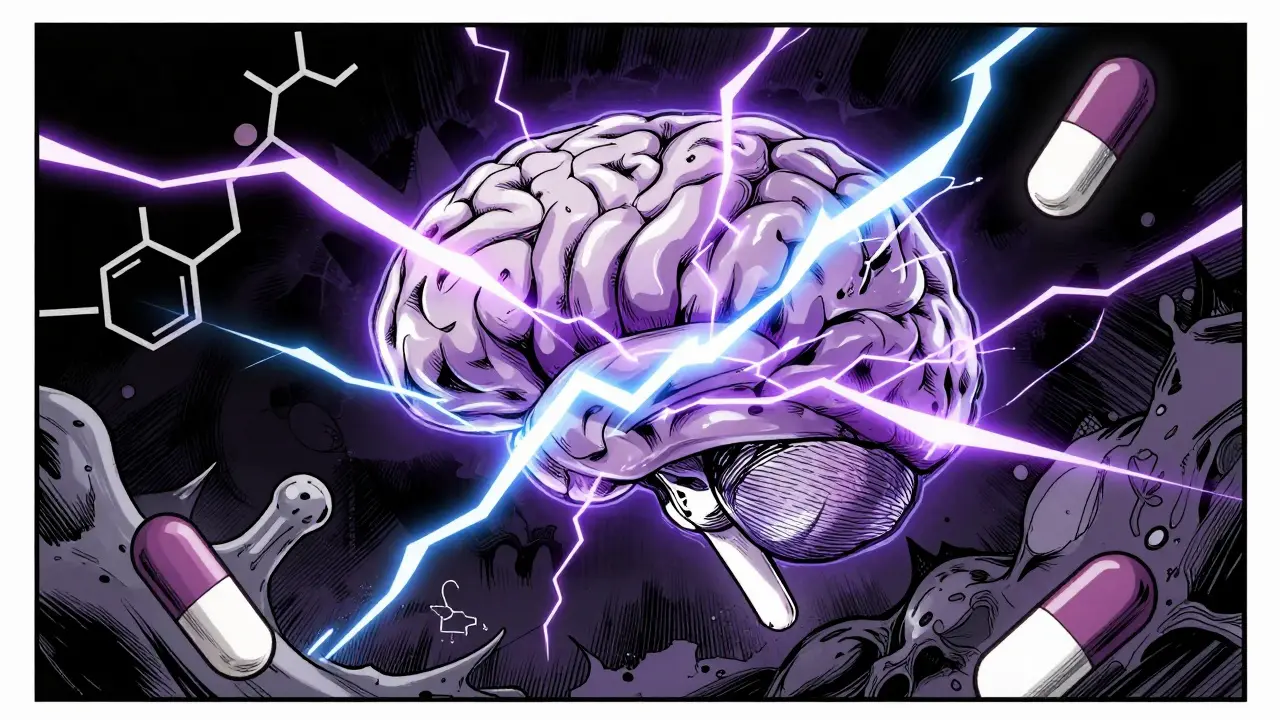
To understand why seizures happen, we have to look at how tramadol works differently from other opioids like morphine or oxycodone. Tramadol has a dual mechanism of action. First, it binds to opioid receptors in the brain to block pain signals. Second, and more importantly for seizure risk, it inhibits the reuptake of serotonin and norepinephrine, neurotransmitters that regulate mood and alertness.
This second mechanism is where the trouble starts. By increasing levels of these chemicals, tramadol lowers the seizure threshold-the point at which electrical activity in the brain becomes chaotic. For most healthy people taking standard doses, the body handles this fine. But for specific groups, this chemical shift tips the scales toward neurological instability.
Data from emergency departments paints a stark picture. A 2019 study published in PMC by Babahajian et al. found that among patients presenting with tramadol intoxication, 58% experienced seizures. While this data comes from overdose cases, it highlights the drug's potent pro-convulsant nature. The key takeaway is that tramadol doesn't just cause sedation; it actively irritates the nervous system in ways other opioids do not.
Who Is Most Vulnerable? Identifying High-Risk Groups
Not everyone faces the same level of danger. Research has identified three primary categories of vulnerability. If you fall into any of these groups, the conversation with your doctor needs to be different.
| Vulnerability Factor | Risk Mechanism | Clinical Evidence |
|---|---|---|
| Pre-existing Seizure Disorders | Lowered baseline seizure threshold | 3.71x higher odds of seizure (Babahajian et al., 2019) |
| CYP2D6 Inhibitor Use | Accumulation of parent drug; reduced metabolism | 9% increased risk in older adults (Wei et al., 2023) |
| Renal Impairment | Slower elimination of drug and metabolites | Contraindicated if clearance <30 mL/min (FDA 2022) |
| Young Adult Males | Higher rates of misuse/recreational dosing | 85% of ED seizure patients were male, median age 23 |
1. Patients with a History of Epilepsy or Seizures
If you have epilepsy, head trauma, or a metabolic disorder that affects brain function, tramadol is generally considered unsafe. The Babahajian study showed that patients with a history of seizures had nearly four times the odds of experiencing a tramadol-induced seizure compared to those without such history. The drug’s interference with serotonin and norepinephrine can easily destabilize a brain that is already prone to electrical misfires.
2. Older Adults on Antidepressants (The CYP2D6 Interaction)
This is perhaps the most underappreciated risk group. Many older adults take antidepressants, particularly SSRIs (like fluoxetine or paroxetine) or TCAs (like amitriptyline). These medications inhibit an enzyme called CYP2D6.
Here is why that matters: Your liver uses CYP2D6 to convert tramadol into its active pain-killing form (O-desmethyltramadol). When you block this enzyme with an antidepressant, two bad things happen:
- The pain relief decreases, which might tempt you or your doctor to increase the dose.
- The unconverted tramadol builds up in your system. This parent compound is more likely to cause seizures than the metabolite.
A landmark 2023 study by Wei et al. from Ohio State University analyzed Medicare data for over 70,000 nursing home residents. They found that combining tramadol with CYP2D6-inhibiting antidepressants increased seizure risk by 9% compared to non-inhibiting alternatives. That might sound small, but in absolute terms, it translates to thousands of preventable seizures annually.
3. People with Kidney Problems
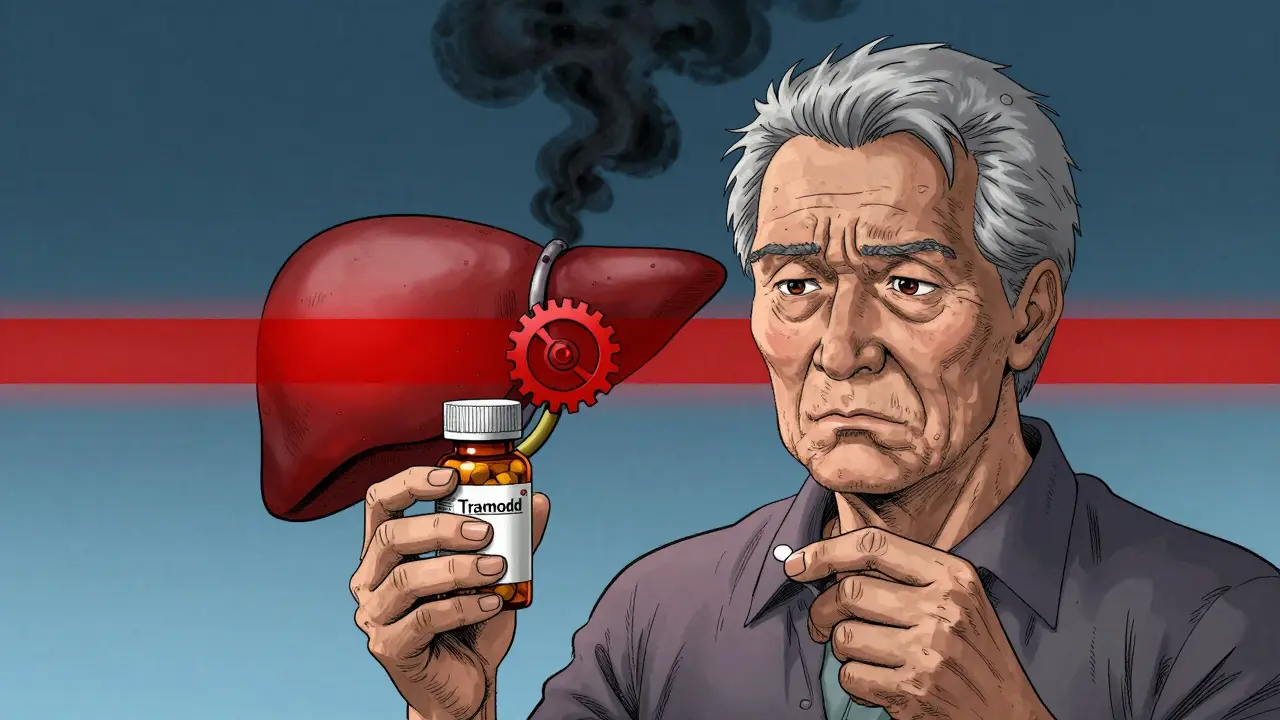
Your kidneys filter tramadol out of your body. If your kidney function is impaired, the drug stays in your system longer, accumulating to toxic levels. The FDA updated its labeling in January 2022 to reflect this clearly:
- Normal kidney function: Max 400mg per day.
- Mild-to-moderate impairment (clearance 30-60 mL/min): Max 300mg per day.
- Severe impairment (clearance <30 mL/min): Tramadol is contraindicated (do not use).
Ignoring these limits is a fast track to toxicity. Several case reports from New Zealand’s adverse reaction database documented seizures in patients with renal failure who received standard or high IV doses without adjustment.
4. Young Men and Misuse Patterns
While older adults face pharmacological risks, young men face behavioral ones. Emergency department data consistently shows that the majority of tramadol-related seizures occur in males aged 13 to 45. This demographic is more likely to engage in recreational misuse or take higher-than-prescribed doses, believing the drug is "safe." The mean time to seizure after ingestion in overdose cases is just 2.6 hours, meaning help needs to be immediate.
Medication Interactions: What Not to Mix
Beyond antidepressants, several other common medications lower the seizure threshold. Combining these with tramadol creates a "perfect storm" for neurological events.
- Antipsychotics: Drugs like chlorpromazine or clozapine can independently cause seizures. Adding tramadol amplifies this risk.
- Other Opioids: Mixing tramadol with pethidine (meperidine) or other serotonergic opioids increases the risk of serotonin syndrome and seizures.
- Anti-nausea drugs: Cyclizine, often given with pain meds, has been linked to seizures when combined with tramadol in clinical case studies.
Always provide your pharmacist with a complete list of what you are taking, including over-the-counter supplements. St. John’s Wort, for example, interacts with serotonin pathways and could theoretically complicate tramadol therapy.

Safety Guidelines: How to Protect Yourself
If you need pain management, tramadol isn't automatically off-limits, but it requires strict adherence to safety protocols. Here is a checklist for safe usage:
- Dose Discipline: Never exceed 400mg daily (or 300mg if you are over 75 or have mild kidney issues). Split doses evenly to avoid peak concentration spikes.
- Review Your Meds: Ask your doctor if your current antidepressant inhibits CYP2D6. If it does, ask about switching to a non-inhibiting alternative like citalopram or escitalopram before starting tramadol.
- Monitor Kidney Function: If you are over 60 or have chronic health conditions, get regular blood tests to check your creatinine clearance.
- Avoid Alcohol: Alcohol further depresses the central nervous system and can unpredictably alter how your body processes tramadol, increasing seizure risk.
- Know the Warning Signs: Muscle twitching, confusion, agitation, or severe nausea can precede a seizure. If you feel these symptoms, seek medical attention immediately. Do not wait.
The American Geriatrics Society now lists tramadol as a potentially inappropriate medication for older adults due to these risks. For seniors, alternatives like topical NSAIDs, acetaminophen, or physical therapy are often safer first-line options.
What To Do If a Seizure Occurs
If someone experiences a seizure while on tramadol, time is critical. Most seizures occur within six hours of ingestion.
- Call Emergency Services: Do not try to manage this at home. Tramadol seizures can lead to status epilepticus, a life-threatening condition where seizures don't stop.
- Protect the Person: Move hard objects away. Do not put anything in their mouth. Turn them on their side to keep airways clear.
- Inform Medical Staff: Tell paramedics exactly what medication was taken, the dose, and when it was taken. Mention any other drugs, especially antidepressants.
In hospital settings, benzodiazepines like lorazepam are typically used to stop acute seizures. However, prevention is always better than treatment. The goal is to identify vulnerability before the prescription is written.
Can tramadol cause seizures at normal doses?
Yes. While the risk is highest in overdose scenarios, tramadol can induce seizures even at therapeutic doses (up to 400mg/day) in vulnerable individuals. This is particularly true for those with pre-existing seizure disorders, renal impairment, or those taking medications that inhibit the CYP2D6 enzyme, such as certain antidepressants.
Which antidepressants should not be mixed with tramadol?
Antidepressants that strongly inhibit the CYP2D6 enzyme pose the highest risk. These include fluoxetine (Prozac), paroxetine (Paxil), and tricyclic antidepressants like amitriptyline. A 2023 study found that combining these with tramadol increases seizure risk by approximately 9% in older adults. Safer alternatives may include citalopram or escitalopram, which have less impact on this enzyme.
How does kidney function affect tramadol safety?
Kidneys eliminate tramadol from the body. Impaired kidney function leads to drug accumulation, raising seizure risk. The FDA recommends a maximum daily dose of 300mg for patients with moderate renal impairment (creatinine clearance 30-60 mL/min) and advises against using tramadol entirely for those with severe impairment (clearance below 30 mL/min).
Are older adults at higher risk for tramadol seizures?
Yes, primarily due to polypharmacy and reduced metabolic capacity. Older adults often take multiple medications, including CYP2D6-inhibiting antidepressants, which interact dangerously with tramadol. Additionally, natural age-related declines in kidney function can lead to unintentional drug buildup. The American Geriatrics Society considers tramadol potentially inappropriate for this demographic.
What are the signs that a tramadol seizure might be coming?
Warning signs can include muscle twitching, severe agitation, confusion, rapid heartbeat, or intense nausea. In overdose cases, seizures typically begin within 2.6 hours of ingestion. If you experience unusual neurological symptoms after taking tramadol, seek emergency medical care immediately.