Medication errors in the home are far more common than most people realize. According to data from the Agency for Healthcare Research and Quality's Patient Safety Network (PSNet), between 2% and 33% of medications administered at home contain some form of error. This isn't just about forgetting a pill; it includes taking the wrong dose, using the wrong medication entirely, or administering drugs at incorrect times. These mistakes aren't limited to elderly patients or those with complex conditions. Even healthy individuals making simple dosing decisions can fall into traps that lead to serious health consequences.
The World Health Organization has identified medication errors as preventable adverse events that harm at least 1.5 million people annually in the United States alone. The financial and physical toll is staggering, but the good news is that the vast majority of these errors are preventable. By understanding where things go wrong-whether it’s confusion over generic names, misreading labels, or poor communication with doctors-you can create a safer environment for yourself and your family.
The Hidden Risks of Home Medication Administration
When we think of medical errors, we often picture hospitals or clinics. However, the transition from clinical care to home care is where many safeguards disappear. In hospital settings, multiple professionals verify doses and check patient records. At home, you are the sole administrator. A meta-analysis of 91 direct observation studies cited by PSNet shows that while intravenous administration in hospitals has high error rates (48% to 53%), home-based errors are insidious because they happen silently, without immediate professional oversight.
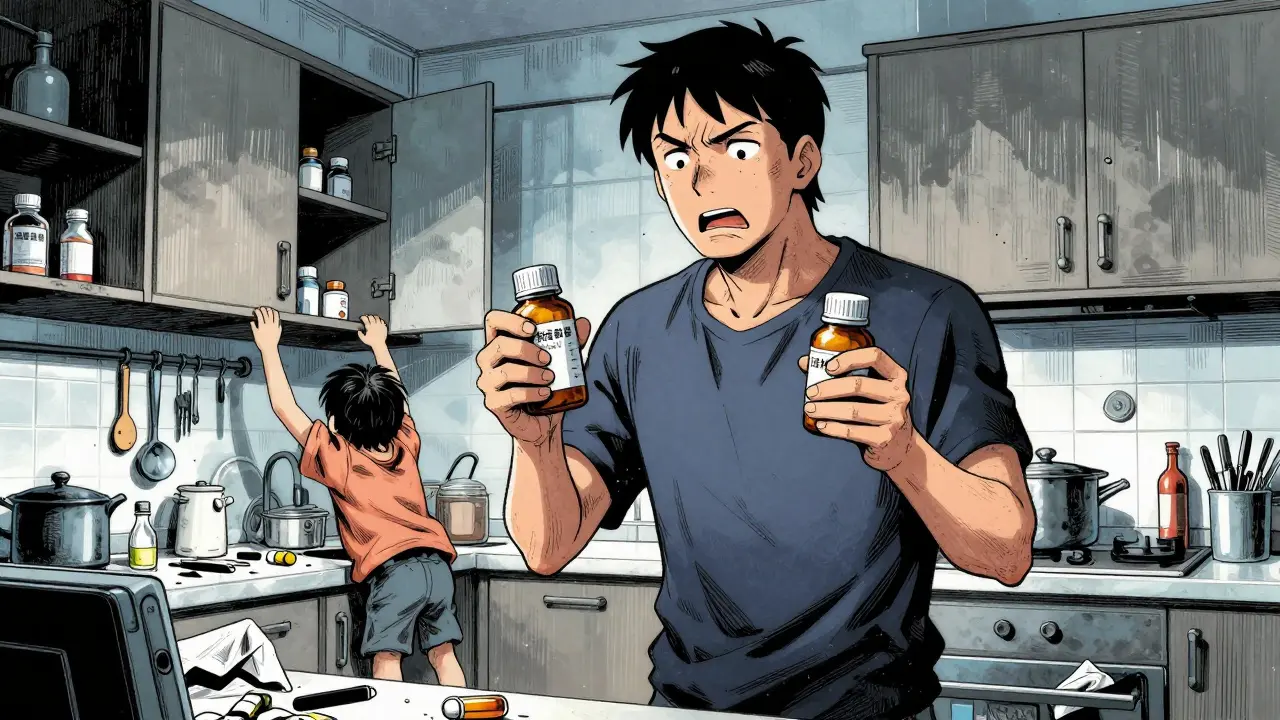
For children, the stakes are even higher. Research from the University of California Davis Health reveals that a child experiences a medication error at home every 8 minutes. Children aged 6 years and younger are at the highest risk. Why? Because pediatric dosing is rarely straightforward. It often requires calculating doses based on weight rather than age, and parents frequently confuse different concentrations of the same drug. For instance, infant-strength acetaminophen (Tylenol) is significantly more concentrated than children’s strength formulations. Using the wrong bottle can easily lead to an accidental overdose.
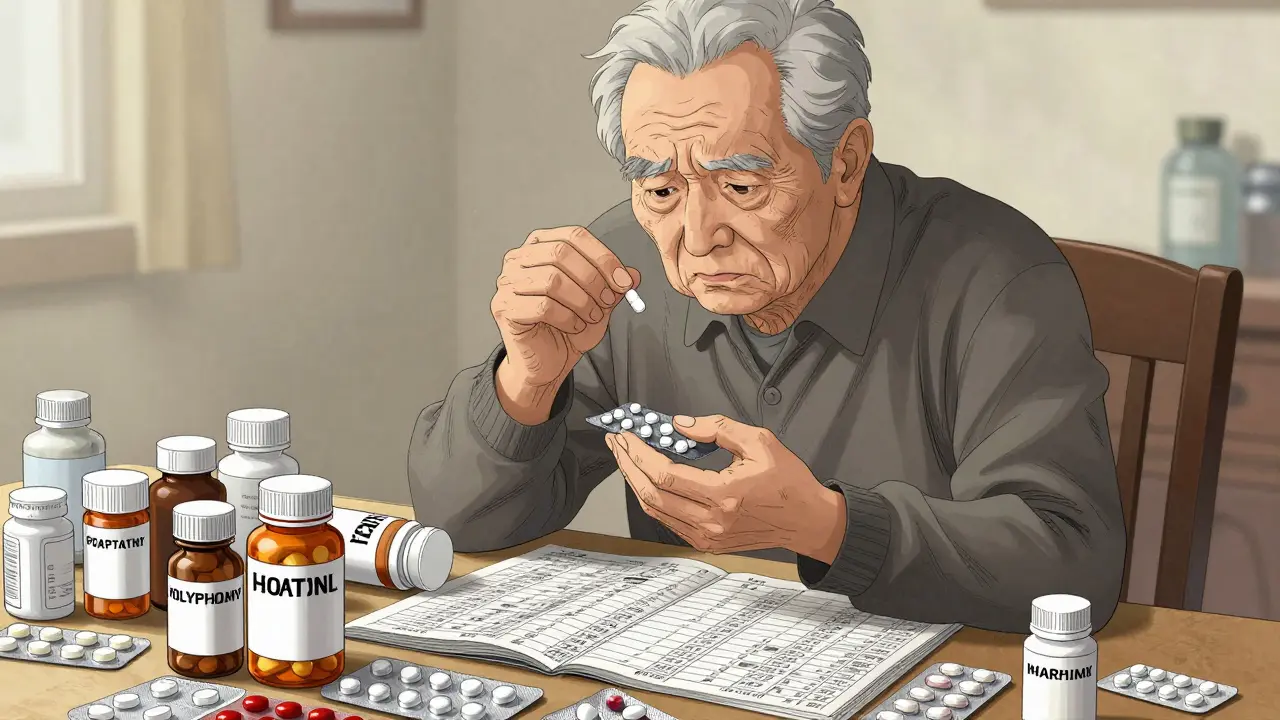
Elderly patients face their own set of challenges. The National Center for Biotechnology Information (NCBI) notes that medication error incidence is 30% higher in patients prescribed five or more drugs-a condition known as polypharmacy-and 38% higher in those aged 75 or older. Memory lapses, vision problems, and the complexity of managing multiple prescriptions create a perfect storm for mistakes.
Top 5 Most Common Medication Mistakes
To avoid errors, you first need to recognize them. Based on comprehensive reviews from Nursing CE Connection and PLOS One, here are the most frequent pitfalls:
- Wrong Dose: Taking too much or too little. This is particularly common with liquid medications where measuring spoons are used incorrectly. Overdosing can cause toxicity, while underdosing may render the treatment ineffective.
- Missed Doses or Incomplete Regimens: Skipping doses due to forgetfulness or stopping antibiotics early because symptoms improve. This not only fails to treat the current issue but can contribute to antibiotic resistance.
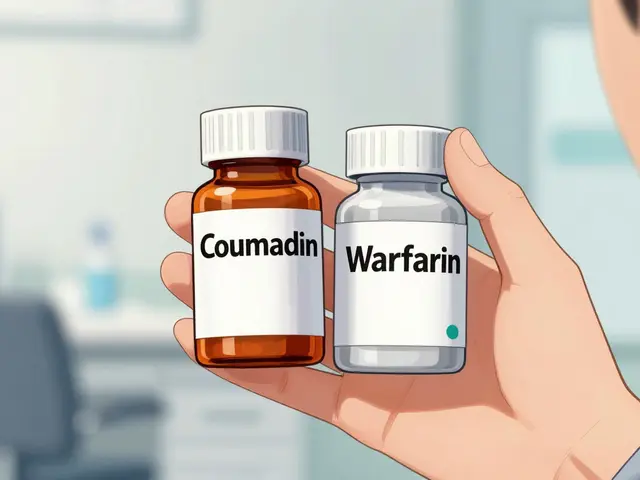
- Wrong Medication: Confusing look-alike or sound-alike drugs. For example, mixing up brand-name and generic versions, or accidentally taking a neighbor’s similar-looking pill.
- Incorrect Timing: Taking medications at the wrong time of day or with food when they should be taken on an empty stomach (or vice versa). Food presence can significantly alter how your body absorbs certain drugs, leading to underdosing or overdosing.
- Continuing Discontinued Drugs: Failing to stop medications after a doctor has changed your prescription. This often happens during transitions of care, such as being discharged from the hospital.
Why Do These Errors Happen?
It’s easy to blame oneself for a mistake, but research points to systemic issues. Low health literacy is a primary factor identified by PSNet. If you don’t fully understand your diagnosis or why you’re taking a specific drug, you’re less likely to adhere strictly to the instructions. Poor provider-patient communication exacerbates this. Studies show that 40% to 80% of health information received during medical visits is incorrectly remembered or not retained at all.
Other contributing factors include:
- Labeling Confusion: Small print, unclear instructions, or lack of standardized concentration labeling (especially for pediatric drugs) make it hard to read correctly.
- Cost Concerns: Some patients skip doses or split pills to stretch their supply, which can be dangerous depending on the drug formulation.
- Interruptions and Distractions: Home environments are full of distractions. Trying to manage medication while cooking, watching TV, or caring for children increases the likelihood of transcription errors or simple oversights.
- Lack of Standardized Protocols: Unlike hospitals, homes don’t have universal protocols for double-checking doses.
Practical Strategies to Prevent Medication Errors
You don’t need a nursing degree to manage medications safely. Implementing a few evidence-based strategies can drastically reduce your risk.
1. Use the "Teach-Back" Method
The Agency for Healthcare Research and Quality recommends universal precautions for health literacy. One of the most effective tools is the "teach-back" method. When your doctor or pharmacist explains your new medication, repeat the instructions back to them in your own words. Ask questions like, "So I take this once a day before breakfast, correct?" This ensures you’ve understood the dosage, timing, and potential side effects.
2. Simplify Your Routine with Organizers
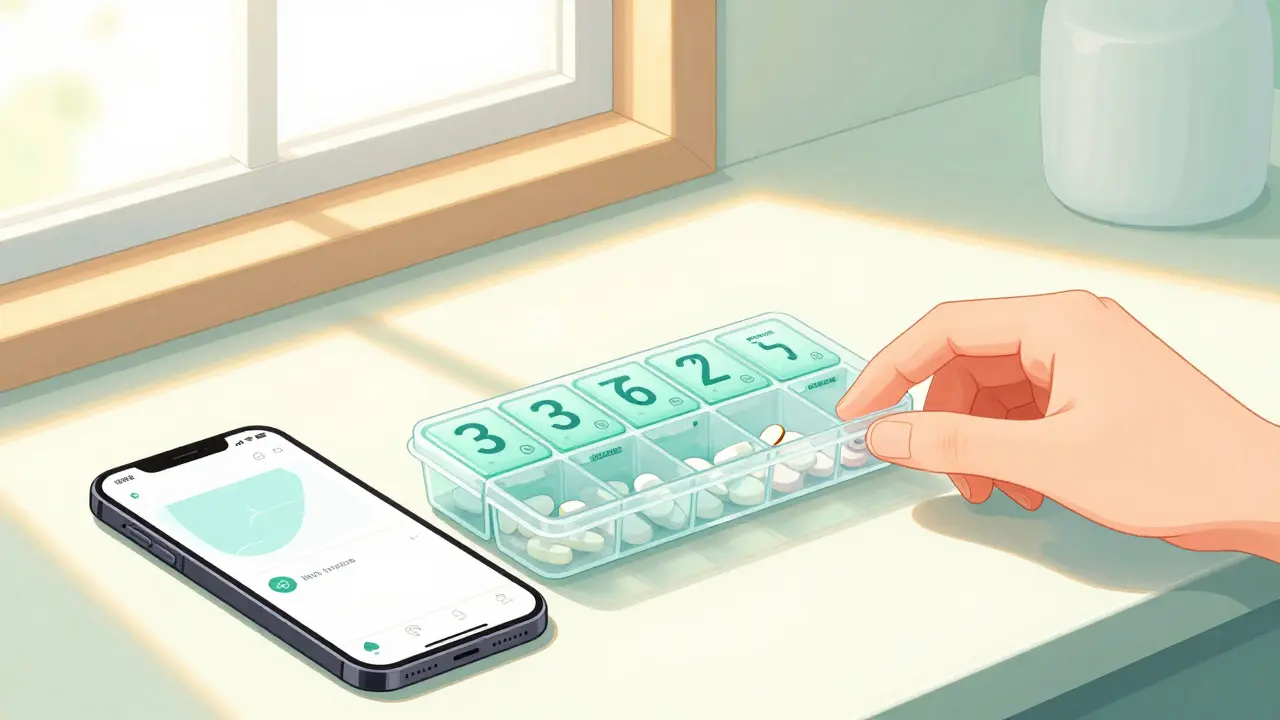
Medication organizers (pill boxes) are cheap insurance against missed doses. Choose one with clear compartments for each day and time of day (e.g., Morning, Afternoon, Evening). Fill them once a week if possible, so you can catch any discrepancies early. If you’re traveling, use a small travel-sized organizer to keep track of essential meds.
3. Maintain an Updated Medication List
Keep a master list of all medications, including over-the-counter drugs, supplements, and herbal remedies. Include the name, dose, frequency, and prescribing doctor. Update this list every time there’s a change. Share this list with every healthcare provider you see, especially during emergencies. This helps prevent dangerous drug interactions.
4. Double-Check Pediatric Doses
If you’re administering medicine to a child, always check the label for weight-based dosing guidelines. Never rely solely on volume measurements without verifying the concentration. Experts like Dr. Ulfat Shaikh from UC Davis advise avoiding alternating between acetaminophen and ibuprofen for fever reduction, as this practice increases error likelihood by 47%. Stick to one medication unless explicitly instructed otherwise by a pediatrician.
5. Leverage Technology
Set alarms on your phone or smartwatch for medication times. Many apps allow you to log doses and send reminders to caregivers if a dose is missed. For those with visual impairments, consider large-print labels or audio reminder devices.
Comparison: Home vs. Clinical Medication Safety
| Factor | Home Setting | Clinical/Hospital Setting |
|---|---|---|
| Error Rate Range | 2% - 33% | 8% - 25% (IV up to 53%) |
| Primary Administrator | Patient or Family Caregiver | Nurses, Pharmacists, Doctors |
| Verification Process | Self-check (often none) | Dual control, barcode scanning |
| Common Causes | Forgetfulness, Label Confusion, Cost | Interruptions, Transcription Errors |
| Prevention Tools | Pill Organizers, Apps, Teach-Back | Electronic Health Records, Protocols |
Special Considerations for Vulnerable Groups
Children: As mentioned, concentration errors are deadly. Always ask your pharmacist to clarify if a medication comes in different strengths. Keep all medications out of reach and sight of children. Use child-proof caps effectively.
Elderly Patients: Polypharmacy is the biggest risk. Regularly review all medications with a doctor or pharmacist to see if any can be discontinued or simplified. Look for "look-alike/sound-alike" pairs in your cabinet and separate them physically.
Caregivers: If you’re caring for someone else, document everything. The Nursing Home Abuse Center found that documentation errors account for a significant portion of preventable mistakes. Write down what was given, when, and any observed reactions.
What to Do If You Make a Mistake
Mistakes happen. If you suspect you’ve taken the wrong dose or medication, don’t panic. First, check the label again to confirm. If you’re unsure, contact your pharmacist immediately-they are available 24/7 for advice. For severe symptoms like difficulty breathing, swelling, or loss of consciousness, call emergency services right away. Do not induce vomiting unless instructed by a medical professional.
How can I tell if I've taken the wrong dose?
Signs of an overdose vary by medication but may include nausea, dizziness, confusion, or unusual fatigue. Underdosing might result in a return of symptoms. If you're unsure, compare the amount you took with the instructions on the label or your prescription sheet. When in doubt, call your pharmacist or poison control center immediately.
Is it safe to split pills to save money?
Not always. Only split pills if they are scored (have a line down the middle) and your doctor or pharmacist confirms it's safe. Extended-release or coated tablets should never be split, as doing so can release the entire dose at once, leading to toxicity.
Why do medication errors happen so often at home?
Home environments lack the structured safeguards of hospitals. Factors like low health literacy, confusing labels, distractions, and poor communication with providers contribute to high error rates. Additionally, patients often manage multiple medications without professional supervision.
What is the "teach-back" method?
The teach-back method involves repeating healthcare instructions back to your provider in your own words to ensure understanding. For example, saying, "I will take this pill twice a day with food," allows the doctor to correct any misunderstandings before you leave the office.
Are children really at higher risk for medication errors?
Yes. Research shows a child experiences a medication error at home every 8 minutes. Young children are vulnerable due to weight-based dosing complexities and the availability of different drug concentrations (e.g., infant vs. children's strength Tylenol).