
It is a common morning ritual for millions of people with Attention Deficit Hyperactivity Disorder (ADHD) is a neurodevelopmental condition characterized by inattention, hyperactivity, and impulsivity. You wake up, pop your prescribed stimulant, and reach for that first cup of coffee. It feels like the perfect pair-two tools to help you start the day focused and alert. But is this combination actually helping you, or are you quietly stressing your heart and nervous system? The interaction between caffeine and prescription ADHD medications is not just about feeling "more awake." It involves complex chemical reactions in your brain that can amplify benefits or dangerously spike side effects.
Understanding this relationship is critical because approximately 6.1 million children in the United States were diagnosed with ADHD between 2016 and 2019, according to the Centers for Disease Control and Prevention (CDC). Many of these patients grow into adults who continue their treatment while maintaining high caffeine habits. The goal here is simple: optimize your focus without compromising your health. We need to look at how these substances work together, what the risks really are, and how you can manage them safely if you choose to combine them.
How Caffeine and Stimulants Work Together
To understand the risk, we first need to look at the mechanism. Both caffeine and common ADHD medications like Adderall is a central nervous system stimulant containing amphetamine salts used to treat ADHD and narcolepsy. affect dopamine levels in the brain. Dopamine is the neurotransmitter associated with pleasure, reward, and motivation. In people with ADHD, dopamine regulation is often impaired, leading to difficulty sustaining attention.
Caffeine, chemically known as trimethylxanthine, acts as a mild central nervous system (CNS) stimulant. It blocks adenosine receptors, which makes you feel less tired, and indirectly increases dopamine availability. However, its effect is subtle compared to prescription drugs. A 2016 meta-analysis published in the *Journal of the American Academy of Child & Adolescent Psychiatry* found that prescription stimulants are approximately 3 to 5 times more effective than caffeine alone for managing core ADHD symptoms. When you take both, you are stacking two CNS stimulants on top of each other.
This creates a phenomenon known as synergy. Dr. Charles Parker, author of *20 Instant Lessons for ADHD*, noted in a 2021 interview that this combination can create a synergistic effect that amplifies both therapeutic benefits and side effects. For some, this means better focus. For others, it means a rapid onset of anxiety, jitters, and heart palpitations. The unpredictability comes from how your body processes each substance differently based on genetics, metabolism, and even what you ate for breakfast.
The Cardiovascular Risks You Cannot Ignore
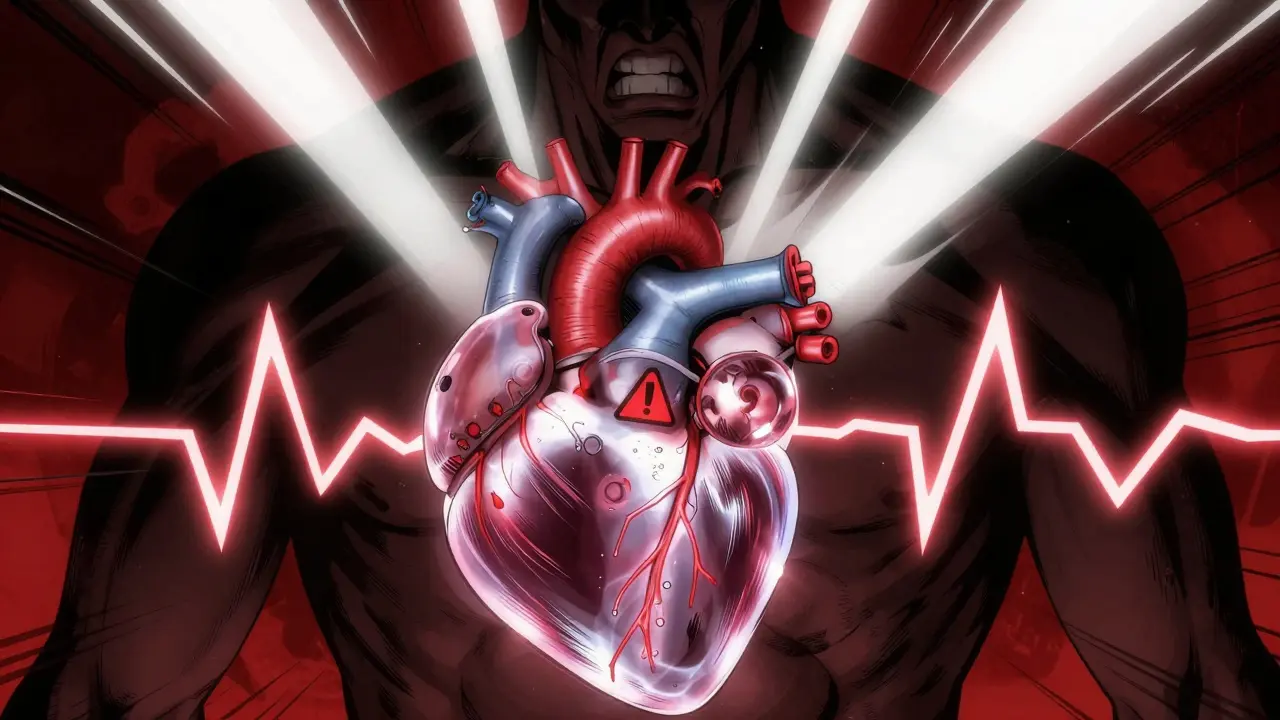
The most significant danger of mixing caffeine and ADHD medication lies in cardiovascular health. Both substances increase heart rate and blood pressure. When combined, they do not just add up; they multiply the strain on your heart. Dr. David Goodman, an Assistant Professor at Johns Hopkins University School of Medicine, warned in his 2022 publication in *Current Psychiatry Reports* that combining two CNS stimulants without medical supervision increases the risk of tachycardia (rapid heartbeat) by 37% and hypertension (high blood pressure) by 29%, based on data from VA Hospitals in 2021.
This is not a minor concern. A 2023 study in *JAMA Internal Medicine* revealed that 23% of adult ADHD patients have comorbid cardiovascular issues. If you already have underlying heart conditions, adding caffeine to your stimulant regimen can be dangerous. The American Heart Association recommends no more than 200 mg of caffeine daily for individuals with cardiac conditions. Yet, many people consume far more, especially when they believe the caffeine will "boost" their medication’s effectiveness.
User experiences reflect these clinical findings. On Reddit’s r/ADHD community, a July 2023 thread analyzed 487 respondents. While 41% reported improved focus, 59% experienced increased anxiety. One user, u/ConcentratedChaos, documented taking 20 mg of Adderall with a standard cup of coffee (95 mg caffeine): "I feel amazing until hour 3, then I crash hard with severe anxiety." This pattern is common-the initial synergy wears off, leaving behind a heightened stress response as the stimulants peak and then decline at different rates.
Timing and Metabolism: Why Timing Matters
One reason the combination feels unpredictable is due to differences in half-life. The half-life is the time it takes for your body to eliminate half of the substance. According to a 2022 study in the *Journal of Clinical Pharmacology*, caffeine has an average half-life of 5 hours, though this ranges from 3 to 7 hours depending on individual metabolism. In contrast, Adderall has a much longer half-life: approximately 10-13 hours for dextroamphetamine and 9-11 hours for amphetamine. Complete clearance from the system can take up to 65 hours (about 3 days).
Because caffeine leaves your system faster, you might feel a "crash" from the caffeine while the ADHD medication is still peaking or lingering. This mismatch can lead to irritability, fatigue, and rebound anxiety. To mitigate this, the Granite Mountain Behavioral Health Center recommends waiting at least 4-5 hours between consuming caffeine and taking your ADHD medication. Their clinical data from 1,200 patients showed that spacing doses reduced side effects by 68% while maintaining cognitive benefits.
Food also plays a role. Taking both substances with food reduces gastrointestinal distress, which affects 45% of combination users according to a 2021 study in the *Journal of Psychopharmacology*. However, fatty meals can slow down the absorption of stimulants, further altering the timing of their effects. Consistency is key-if you always take your medication with breakfast and your coffee at the same time, your body may adapt, but any change in routine can disrupt this balance.
| Attribute | Caffeine | Prescription Stimulants (e.g., Adderall) |
|---|---|---|
| Half-Life | 3-7 hours (avg. 5 hours) | 9-13 hours |
| Dopamine Impact | Mild increase via adenosine blockade | Potent reuptake inhibition and release |
| Efficacy for ADHD | Low (60-70% less effective than prescriptions) | High (Gold standard for symptom management) |
| Cardiovascular Risk | Moderate (dose-dependent) | Moderate to High (especially when combined) |
| Regulatory Status | Unregulated (GRAS status) | Strictly regulated (Schedule II controlled substance) |
The Role of L-Theanine: A Safer Alternative?
If you are looking for ways to enhance focus without the jitters of caffeine, you might want to explore L-theanine. L-theanine is an amino acid found in green tea that promotes relaxation without drowsiness. Research suggests it can counteract the negative side effects of caffeine while preserving its cognitive benefits.
A 2018 study by Kahathuduwa et al. investigated the precise dosing of 200 mg of L-theanine and 160 mg of caffeine in healthy adults. They found that L-theanine decreased GABA levels (associated with calming) while caffeine increased glutamate levels (associated with alertness), creating a balanced state. More importantly, a 2020 follow-up study by the same researchers involving five boys with ADHD showed that the combination of L-theanine and caffeine improved total cognition composite scores and Go/NoGo task performance, whereas caffeine alone worsened inhibitory control.
This finding is significant. It suggests that for some individuals, pairing L-theanine with their existing caffeine habit-or even using it instead of extra caffeine-could provide smoother focus. The NIH-funded 2023 study examining optimal ratios indicates that a 3:1 ratio of L-theanine to caffeine appears most effective. This approach minimizes the cardiovascular strain while supporting the default mode network in the brain, reducing mind-wandering.

Practical Guidelines for Safe Consumption
If you decide to continue using caffeine alongside your ADHD medication, you must do so with intention and monitoring. Here are practical steps to reduce risk:
- Limit Your Dose: Board-certified psychiatrist Dr. Ned Hallowell recommends starting with no more than 100 mg of caffeine (one small coffee) while on stimulants. Monitor for anxiety or heart palpitations, which occur in 31% of initial combination users based on his 2022 clinical data.
- Space Out Intake: Wait at least 4-5 hours after taking your ADHD medication before consuming caffeine. This allows the medication to stabilize and reduces the peak overlap of stimulants.
- Track Hidden Sources: Caffeine is not just in coffee. It is in tea, chocolate, energy drinks, and some pain relievers. The FDA requires labeling of caffeine content exceeding 50 mg per serving in supplements, but many foods do not disclose exact amounts. Keep a log of all sources.
- Monitor Vital Signs: Use wearable devices to track your heart rate and resting heart rate variability. If you notice sustained elevations in heart rate or irregular rhythms, stop caffeine immediately and consult your doctor.
- Be Aware of Genetics: A 2022 study in the *Pharmacogenomics Journal* found that 40% of the population are "slow metabolizers" of caffeine due to variations in the CYP1A2 gene. These individuals are particularly vulnerable to adverse effects when combining caffeine with stimulants. If you feel jittery from a single cup of coffee, you likely fall into this category.
The learning curve for managing this combination typically requires 2-4 weeks of careful monitoring. During this period, track your caffeine intake, medication timing, heart rate, and symptom severity using standardized scales like the ASRS-v1.1. Adjustments should be made gradually, never abruptly, to avoid withdrawal symptoms or rebound ADHD symptoms.
When to Seek Medical Attention
Not everyone reacts the same way. While some people tolerate the combination well, others experience severe side effects. A 2022 survey by the National Alliance on Mental Illness (NAMI) found that 33% of adult ADHD patients who combined caffeine and stimulants required medical attention for side effects, compared to only 8% of those using medication alone. Red flags include chest pain, severe shortness of breath, fainting, or extreme anxiety that interferes with daily functioning.
The FDA issued a 2024 draft guidance recommending against routine caffeine use with ADHD medications without physician supervision. This recommendation followed a 27% increase in emergency department visits related to stimulant combinations between 2019 and 2023, rising from 12,400 to 15,750 cases annually. If you experience any of these symptoms, seek immediate medical care. Do not wait for the effects to wear off.
Ultimately, the decision to combine caffeine and ADHD medication is personal. But it should not be casual. By understanding the pharmacological interactions, respecting the limits of your body, and working closely with your healthcare provider, you can navigate this combination safely. Prioritize your long-term health over short-term boosts, and remember that consistency and moderation are your best allies.
Is it safe to drink coffee while taking Adderall?
It can be safe for some people, but it carries risks. Combining caffeine and Adderall increases the strain on your heart and nervous system. You may experience higher blood pressure, faster heart rate, and increased anxiety. It is crucial to limit caffeine intake to under 200 mg per day, space out consumption by at least 4-5 hours from your medication dose, and monitor your body’s reaction closely. Always consult your doctor before making changes.
Does caffeine make ADHD medication more effective?
Not necessarily. While both substances increase dopamine, prescription stimulants like Adderall are significantly more potent. Caffeine does not enhance the therapeutic efficacy of ADHD medication for core symptoms. Instead, it may amplify side effects like jitteriness and anxiety. Some users report better focus, but this is often due to the general alertness provided by caffeine, not a synergistic improvement in ADHD symptom management.
What are the signs of too much caffeine with ADHD meds?
Signs include rapid heartbeat (tachycardia), high blood pressure, severe anxiety, panic attacks, tremors, insomnia, and gastrointestinal distress. If you experience chest pain, shortness of breath, or fainting, seek emergency medical attention immediately. These symptoms indicate that your cardiovascular system is under excessive stress.
Can L-theanine help reduce side effects of caffeine and ADHD meds?
Yes, research suggests L-theanine can help. Studies show that combining L-theanine with caffeine improves focus and reduces anxiety compared to caffeine alone. L-theanine promotes relaxation without drowsiness and may counteract the jittery side effects of stimulants. A ratio of 3:1 (L-theanine to caffeine) is often recommended for optimal balance.
How long does caffeine stay in your system compared to Adderall?
Caffeine has a half-life of about 5 hours, meaning it leaves your system relatively quickly. Adderall has a much longer half-life of 9-13 hours, with complete clearance taking up to 3 days. This difference in metabolism can lead to a "crash" from caffeine while the medication is still active, potentially causing mood swings or irritability.